Patented in 1868 by Colonel G.H. Money and Mr. M. Walker, this rifle was one of the 10 finalists in the British breechloading rifle trials of 1868. It is a simple falling block system with an internal hammer. In the second set of trials, it proved to be middle of the pack in rapidity of fire (20 shots in 1 minute and 14 seconds) but succumbed badly to exposure testing. The Martini would win those trials, and the Money-Walker system was only used in limited commercial rifle and shotgun manufacture.

Light MGs
Vintage Saturday: Desert Watch
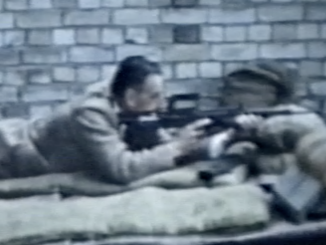
British soldiers manning a post somewhere in Palestine. The Lewis gunner is adjusting his sights, while his A-gunner is ready with a new magazine. Three men in the background looking at something else, and using […]
Select-fire Rifles
Archival E.M.2 Footage: Slow Motion and Janson Doing Mag Dumps
Thanks to Jonathan Ferguson and Royal Armouries Archivist Philip Abbott, we have a compilation of some archival video of the E.M. 2 testing circa 1951/1952. This is mostly high speed video clips showing reliability testing, […]
Light MGs
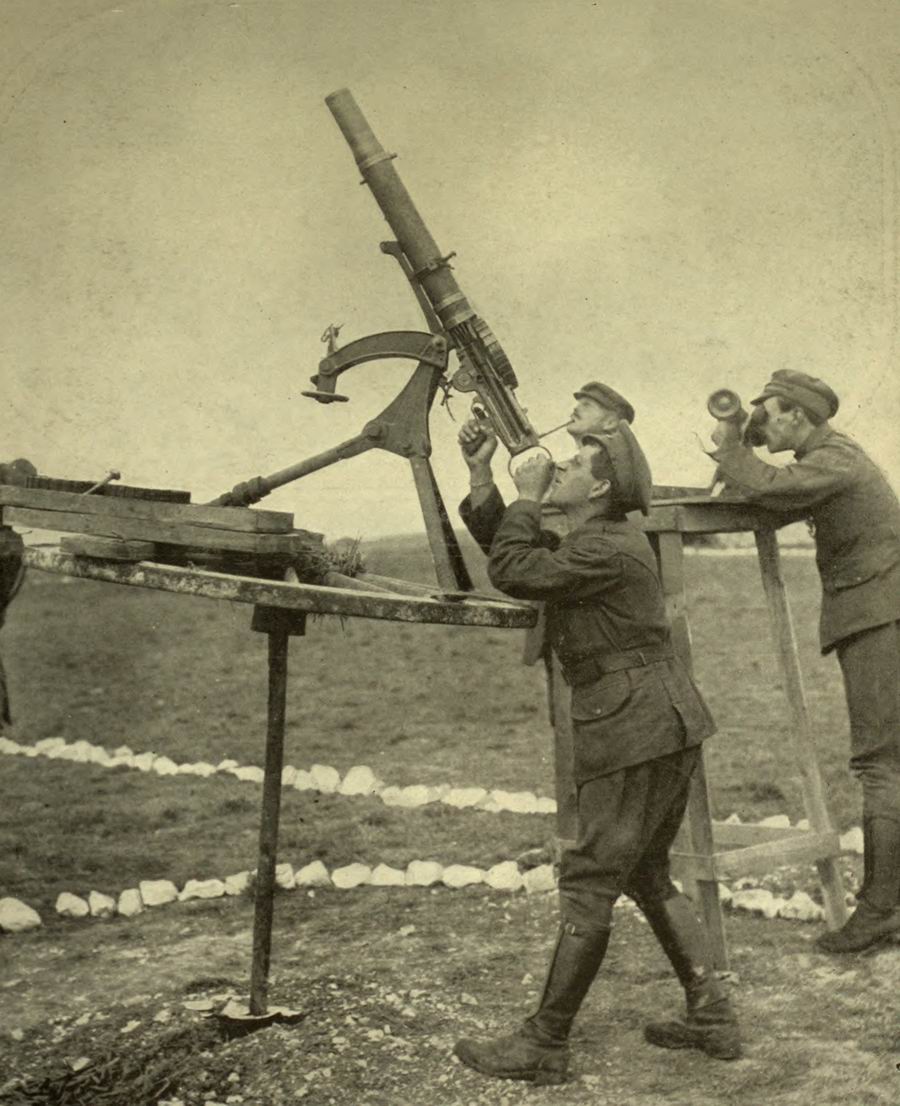
Vintage Saturday: Anti-Aircraft Lewis
The wheel is for fast and easy traverse. The Lewis gun adapter allows it to be mounted on a Vickers tripod, and it’s mounted backwards to allow flexible elevation (you could do that with the […]
That’s a delightfully simple system.
A few years back, Ian showed a French double barrel shotgun, with what appeared to have a very similar action to the Money-walker.
Interesting attempt. But against Martini, he did not have a single chance in all nominations.
I suspect that it also stuffed the base of the thumb with this tail…
PS In all except the rate of fire.
Interestingly, it seems to me alone that this tail will not allow to tightly cover the waist at all?
Very nice rifle, I’d love to see some of the sporting versions, especially the doubles they apparently made, but I doubt there are more than a handful left, and probably none in North America
The action lever reminds me a bit of the Westley Richards ‘monkey tail’ paper cartridge breechloader, a direct descendant of which I believe competed against this rifle in the trial