The FG42 (Fallschirmjagergewehr, in the German tradition of making four little words into one big word) was a rifle ahead of its time, made in small numbers for German parachute troops during WWII. As a service, the Fallschirmjager had some autonomy in weapons procurement, and they instituted a development program for a weapon independent of the rest of the German military. Going into the war, they used a mixture of MP40 and MP38 submachine guns, K98k rifles, and MG34 machine guns. These weapons were dropped in canisters rather than with each individual soldier, which led to serious problems in actions like the attack on Crete. It was decided that the paratroops needed a compact weapon that could serve as both individual shoulder rifle and light support machine gun, giving the rate of fire of the MP40, the range and accuracy of the K98k, and the suppressing capability of the MG34 (much like the US intention for the M14 rifle).
The result was a very optimistic list of requirements for proposals from armsmakers. Among others, the new design was required to use detachable box magazines, be no longer, bulkier, or heavier than a standard K98k, have an integral bipod and bayonet, fire from a closed bolt in semiauto (for accuracy) but from an open bolt in full auto (to improve cooling and prevent cookoffs), and use the standard 8x57mm cartridge. No mean feat to cram all that into one design!
Impressively, Rheinmetall pulled it off – their design was accepted for production as the FG-42. This would be the first model of the rifle, most easily identified by its very steeply canted grip and stamped metal buttstock. It used a long stroke gas piston, and only a couple thousand were produced before some problems became clear, and the design was modified. The bipods were too fragile, the bipod tended to rattle out during firing, the stock was prone to damage, the grip was uncomfortable to use, and the gun was too light to be controllable in full auto fire (remember how I mentioned the M14?). Still, the original design was quite the achievement. The side-mounted magazine was used so that the trigger mechanism could be mounted farther forward than is possible with a bottom-feed magazine, and thus the receiver could be kept shorter. To the same end, the recoil spring was extended into the stock. The guns all had integral rails on the receivers to allow mounting of small optical sights, and the iron sights could be folded down for a clear field of view. You might still see some of these features on more modern rifles…
When some of the faults because apparent, redesigns commenced, and the result was the second model of the FG42 (these changes were not reflected in contemporary nomenclature, and there were many small incremental changes – in hindsight, we separate the guns into two basic types). The later guns were bulkier and heavier, which aided automatic fire somewhat. They used a wooden buttstock, and had improved bayonet retention. The grip was changed to a much more orthodox vertical design, and the bipod was moved from the midpoint of the barrel out to the muzzle. An adjustable gas regulator was also added to the second model guns.
A few thousand more of the second model FG42s were made before their expense and complexity drove them out of production in favor of cheaper designs like the StG44.
Videos
Photos
We are fortunate to have had access to a second model FG42, and took these photos (click here to download the gallery in high resolution). The rifle was deactivated by removal of the magazine well, but all its internals are intact, and even a destroyed FG42 is a rare bird.
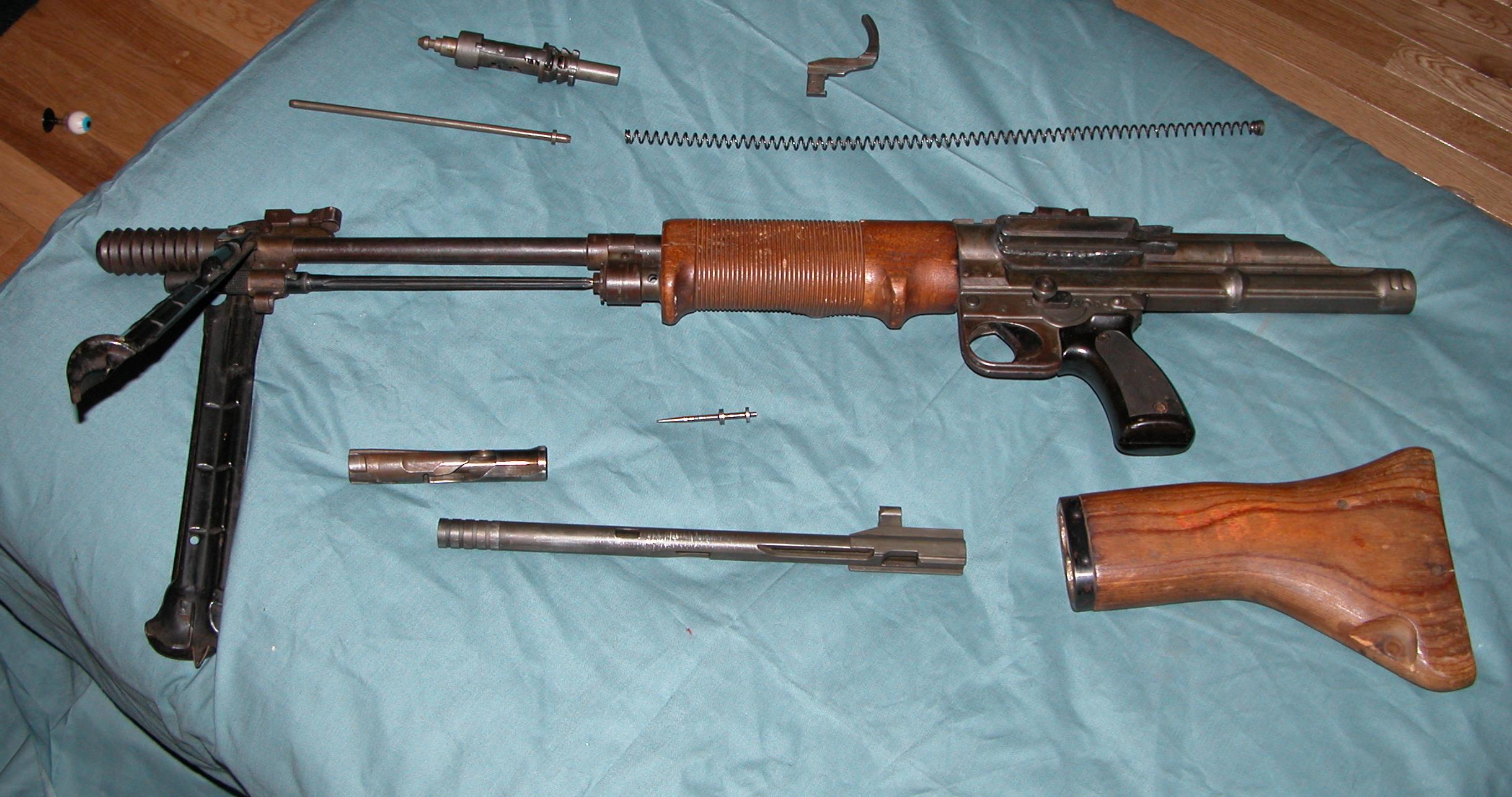
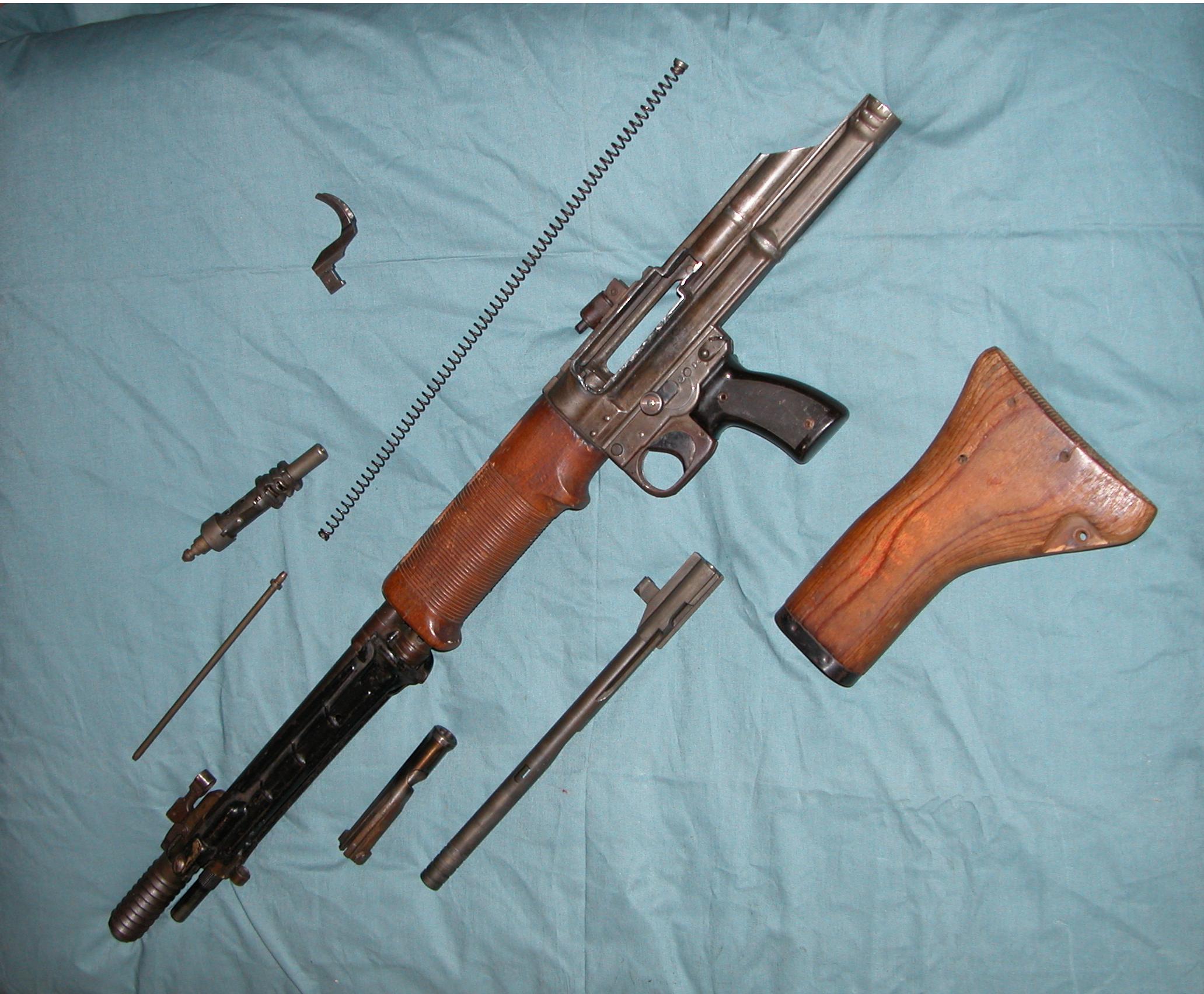
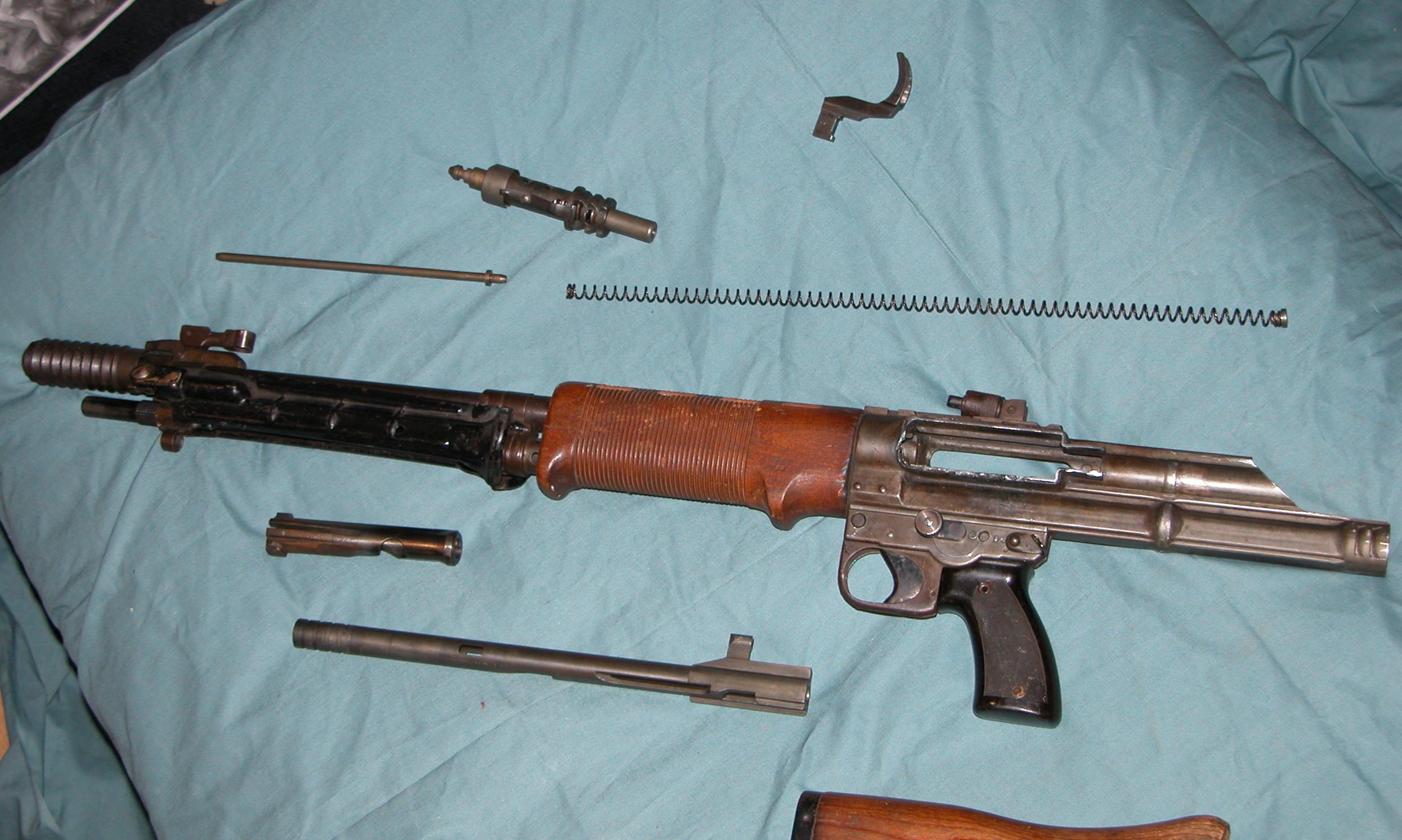
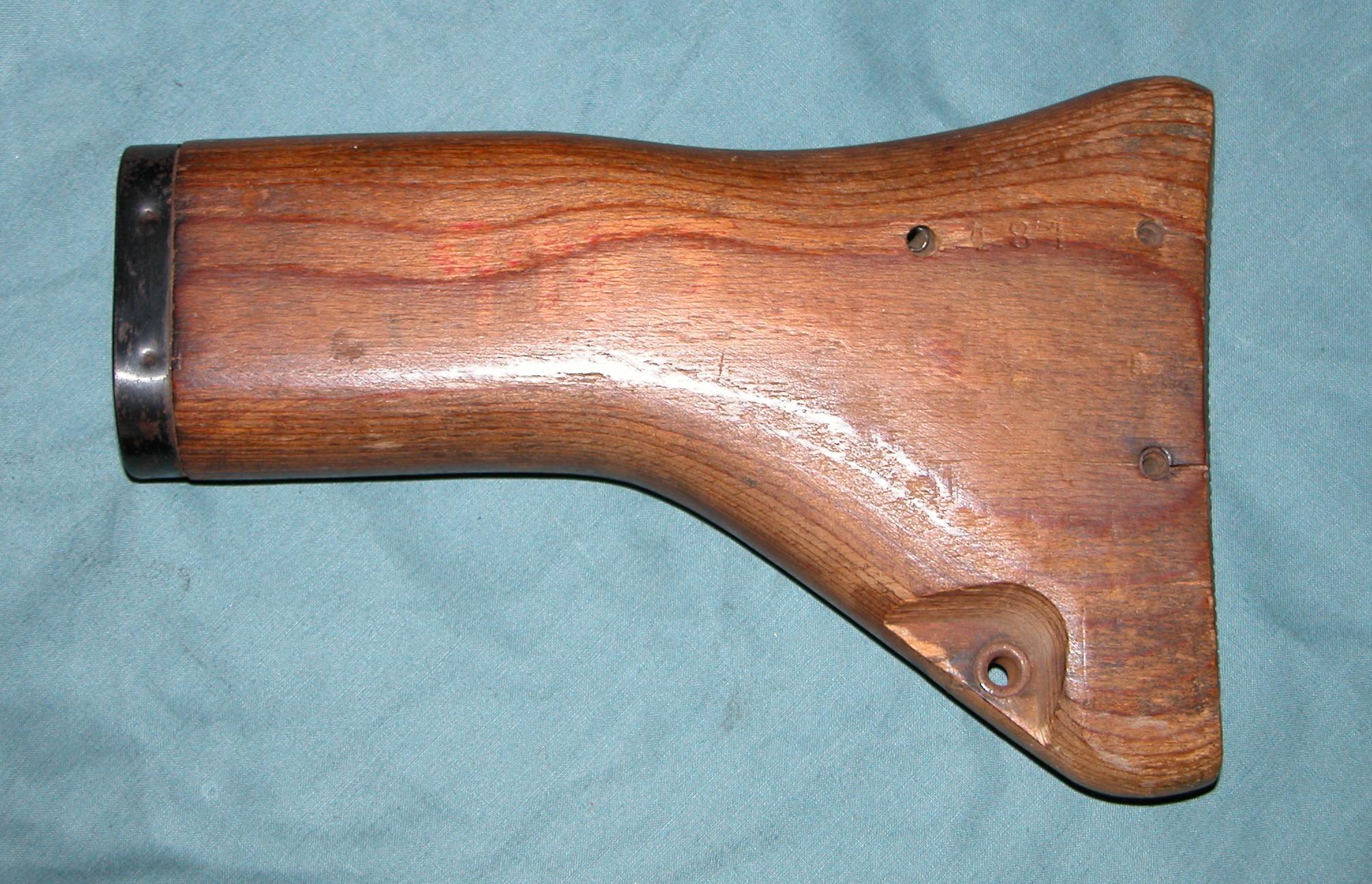
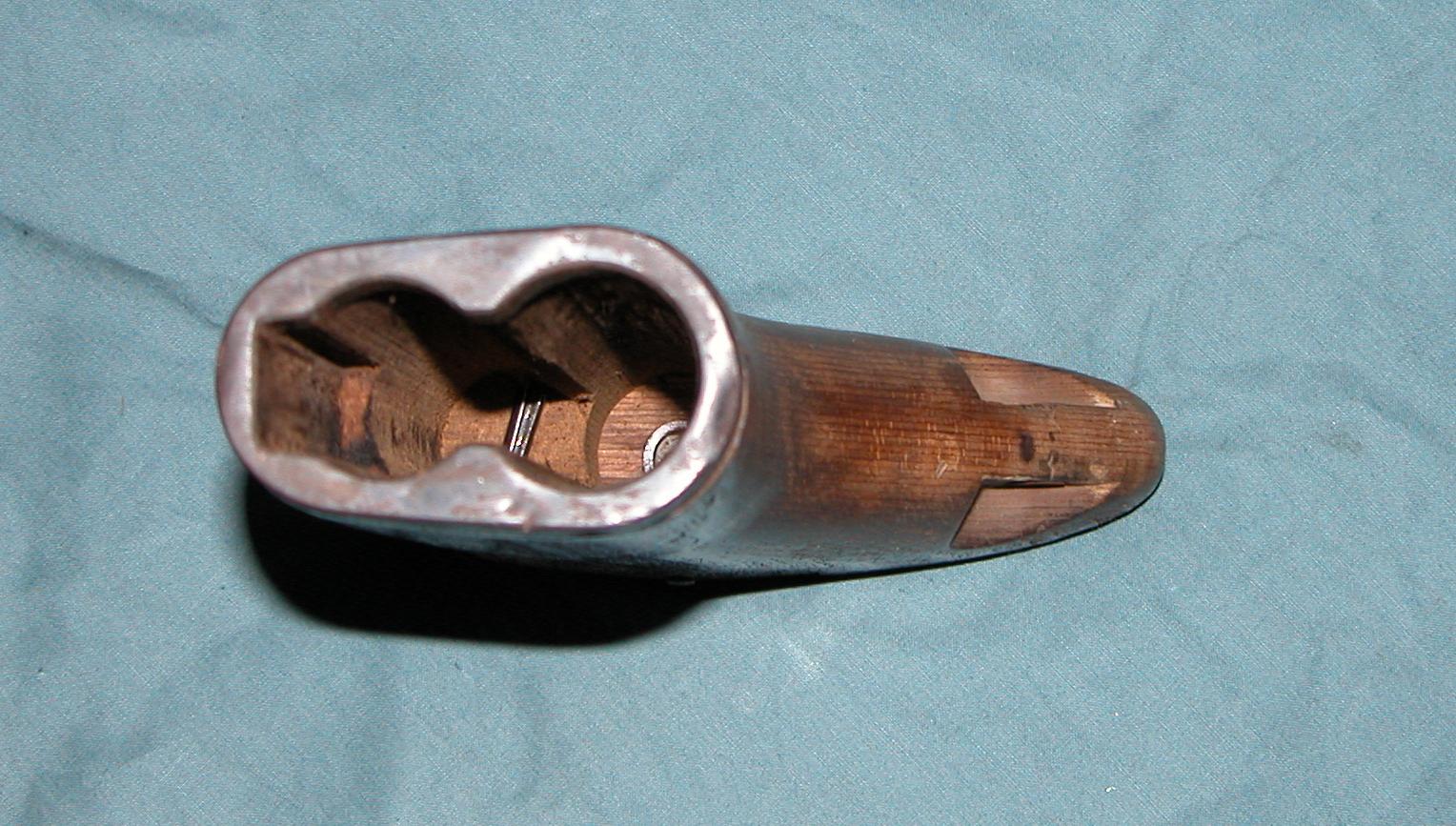
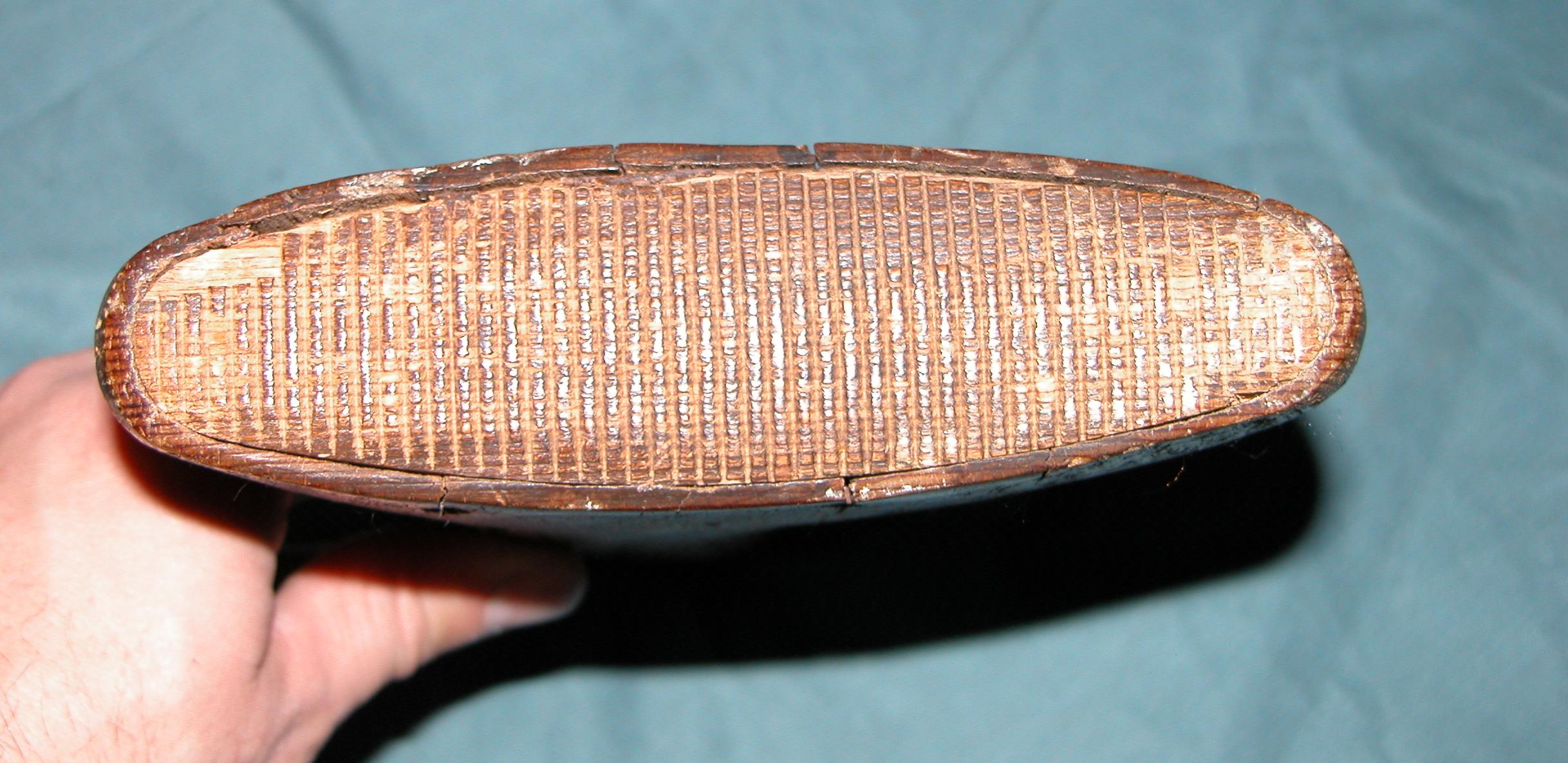
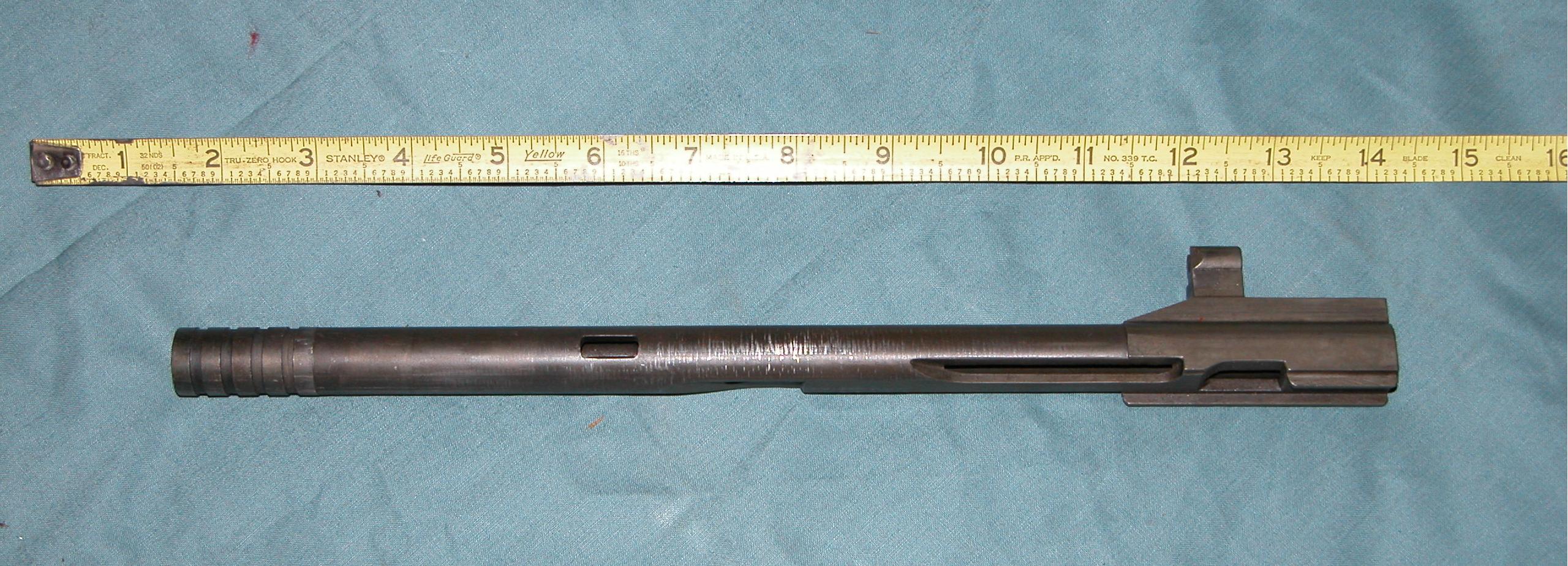
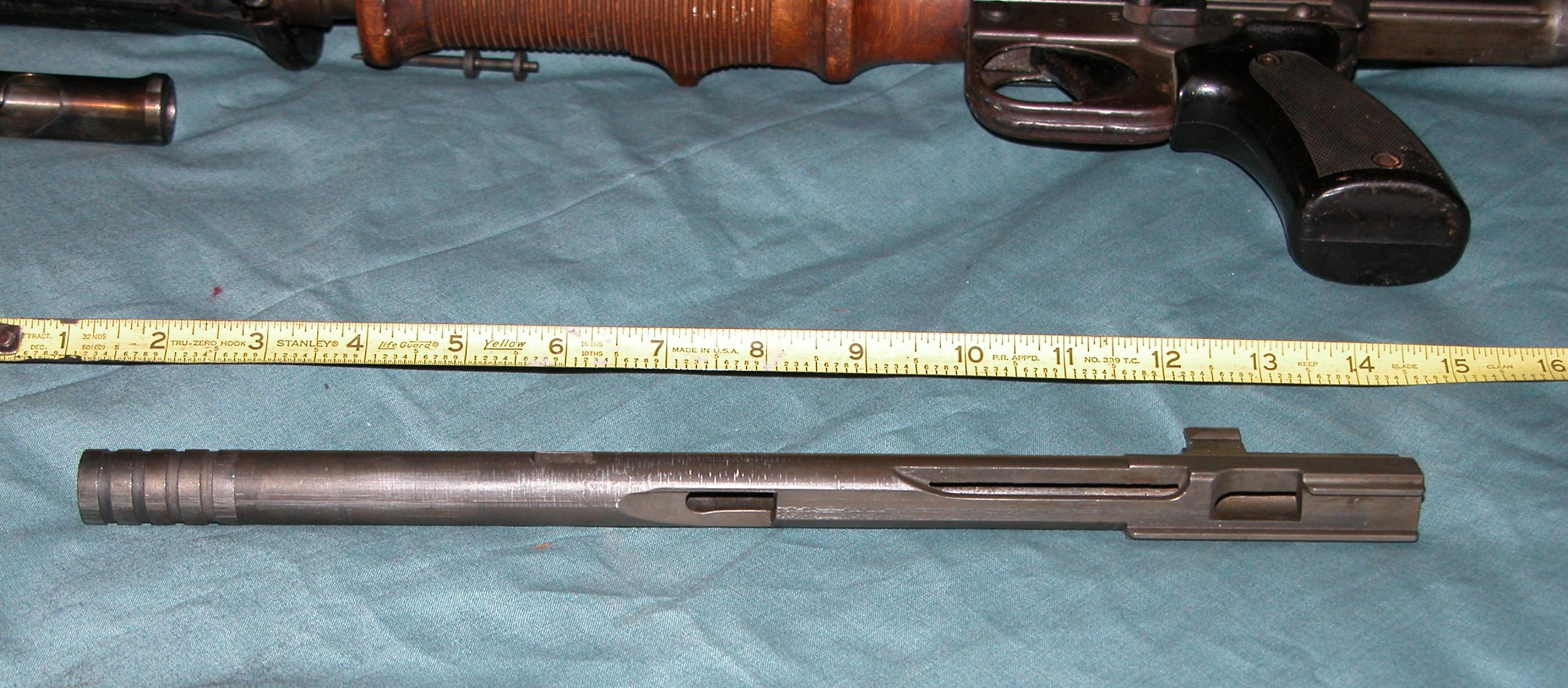
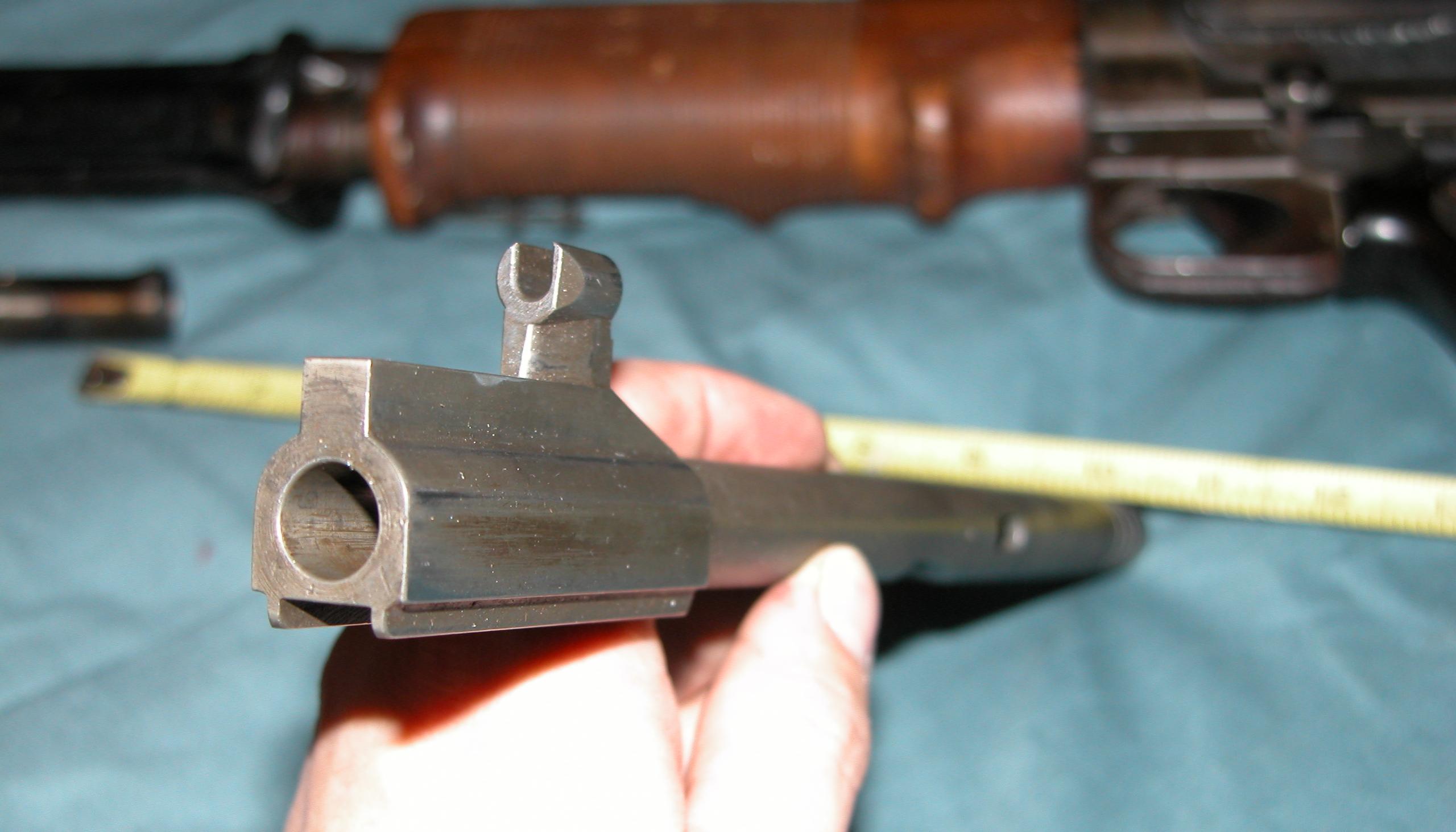
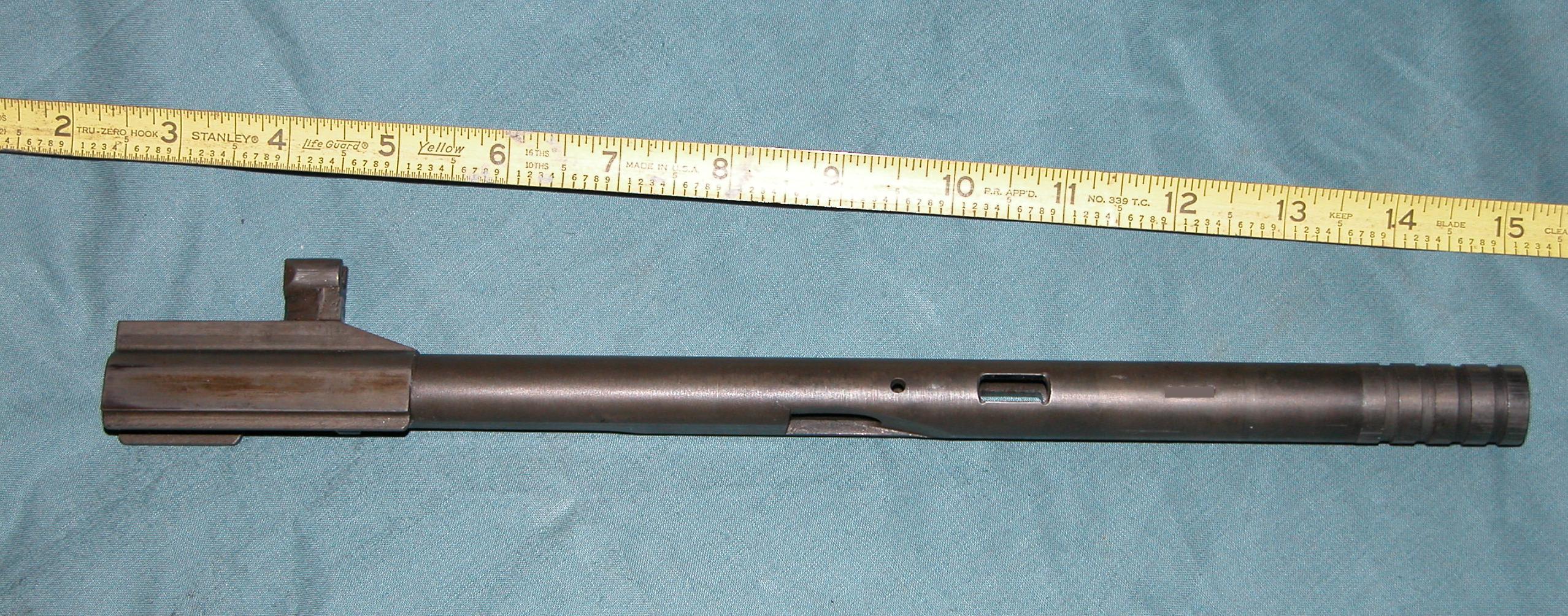
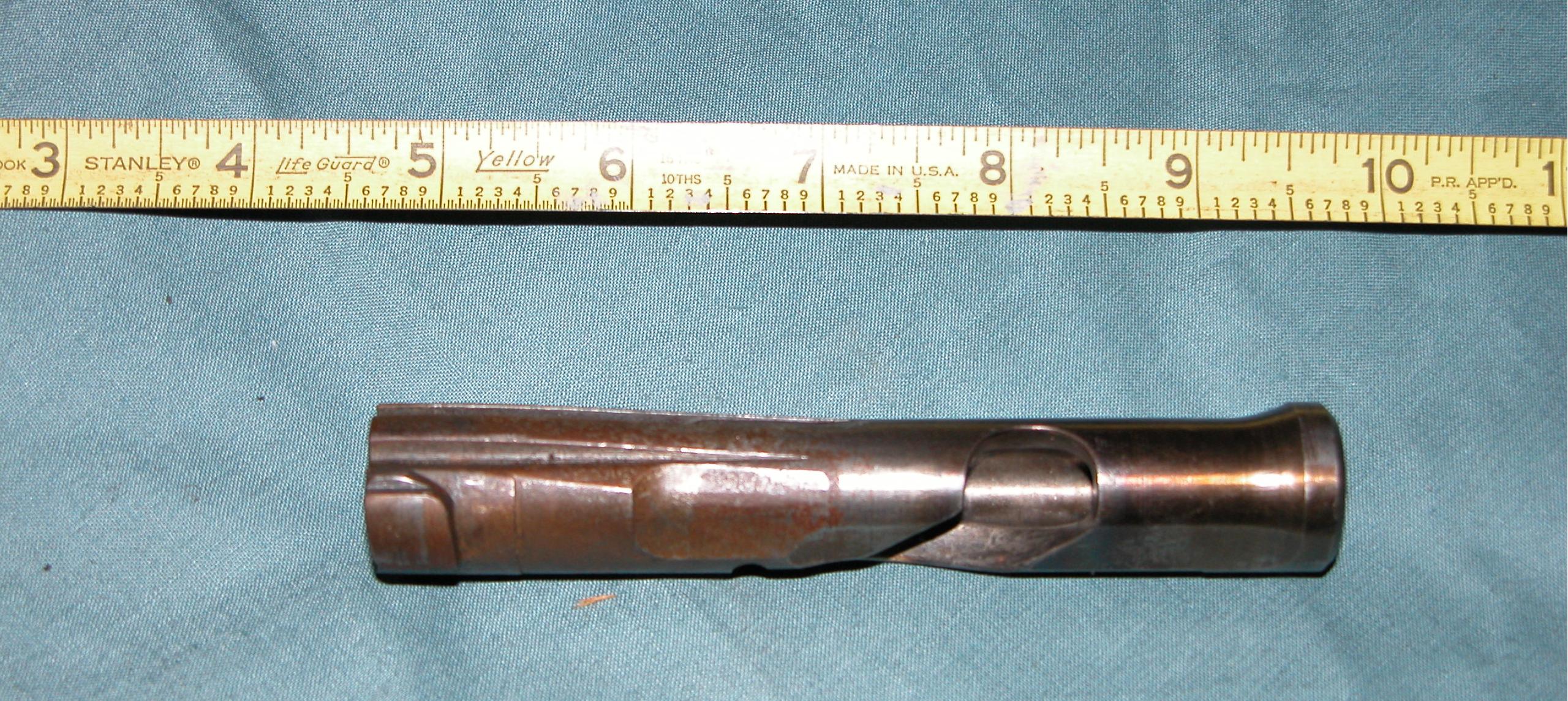
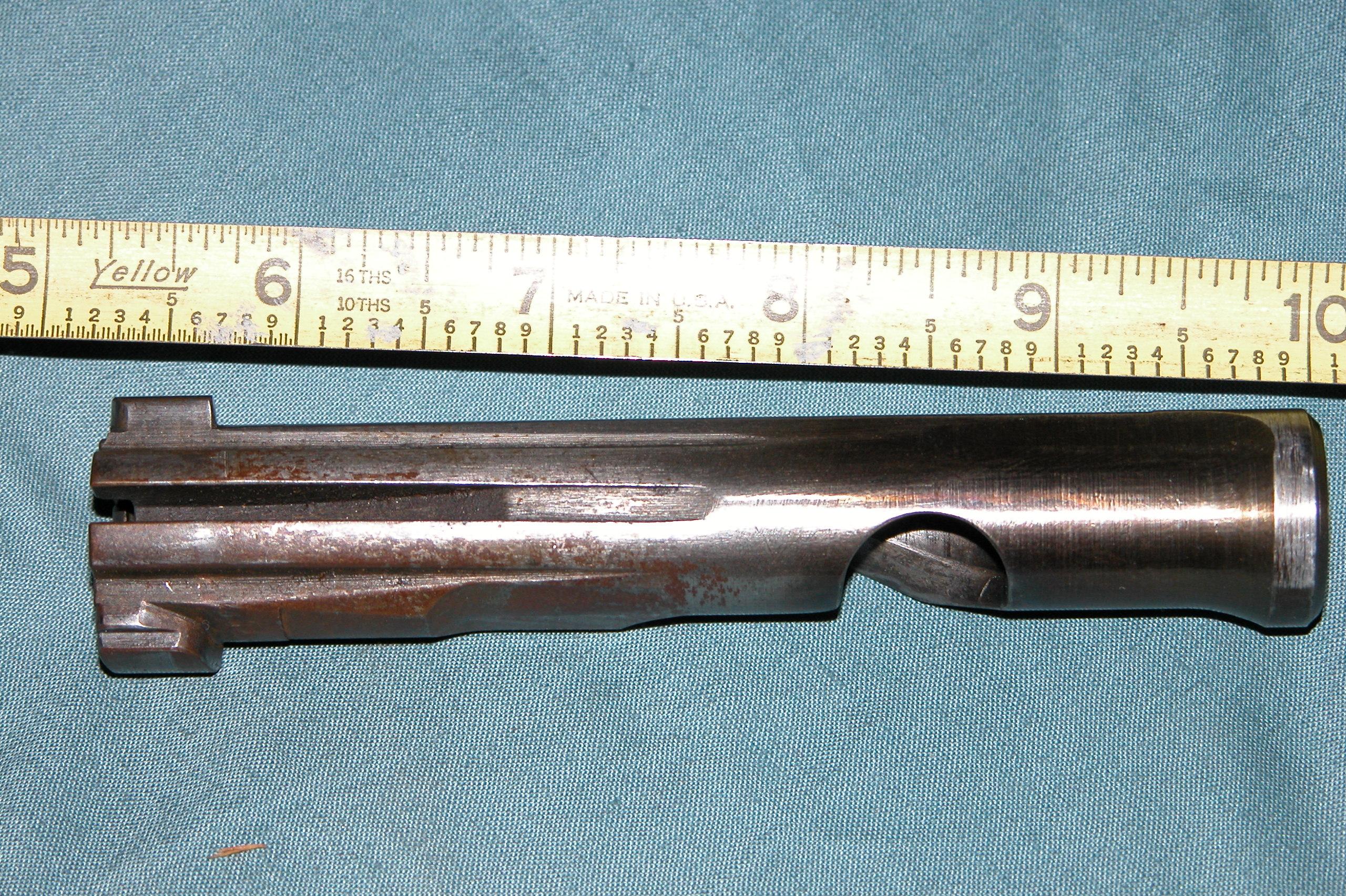
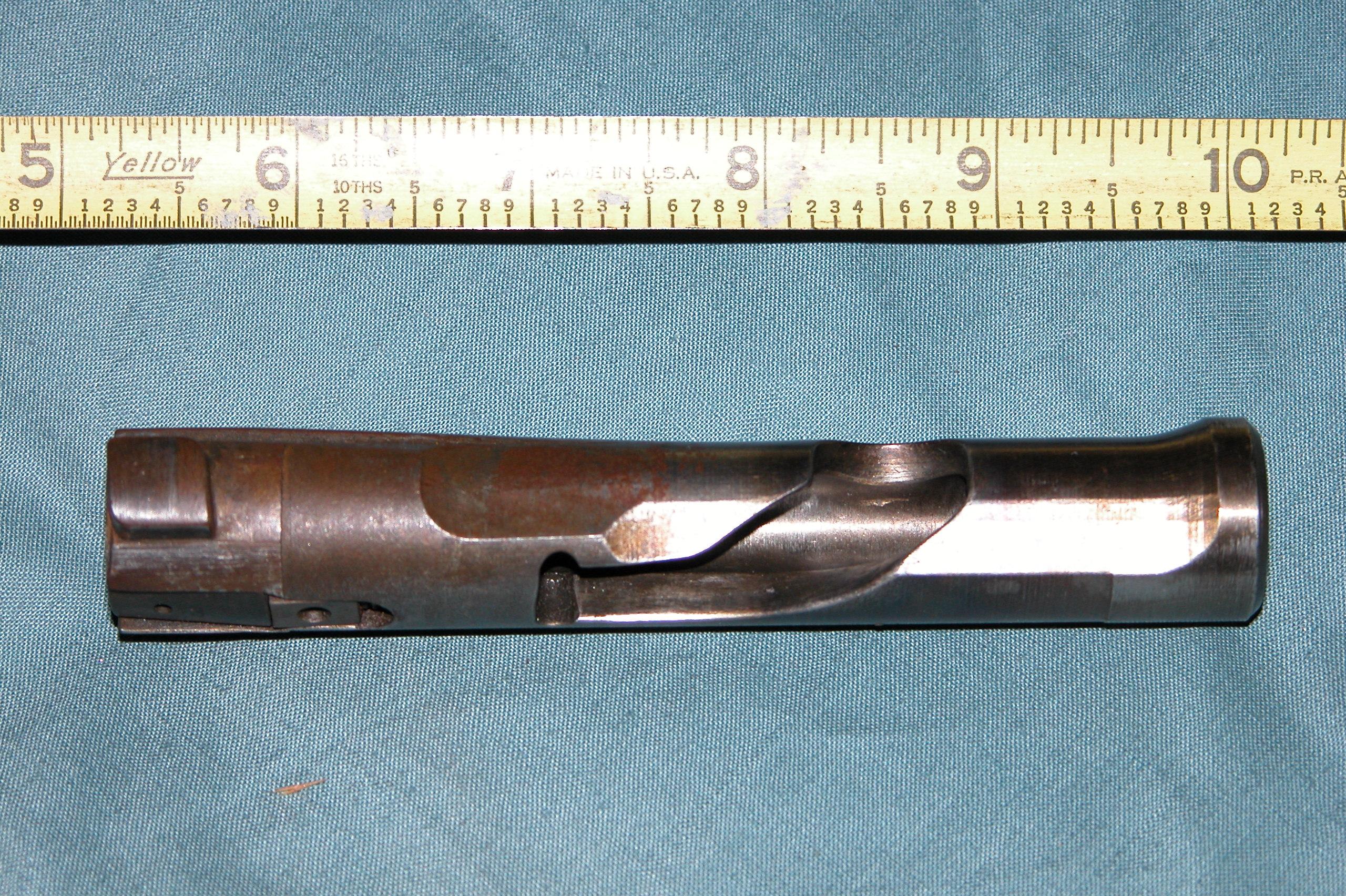
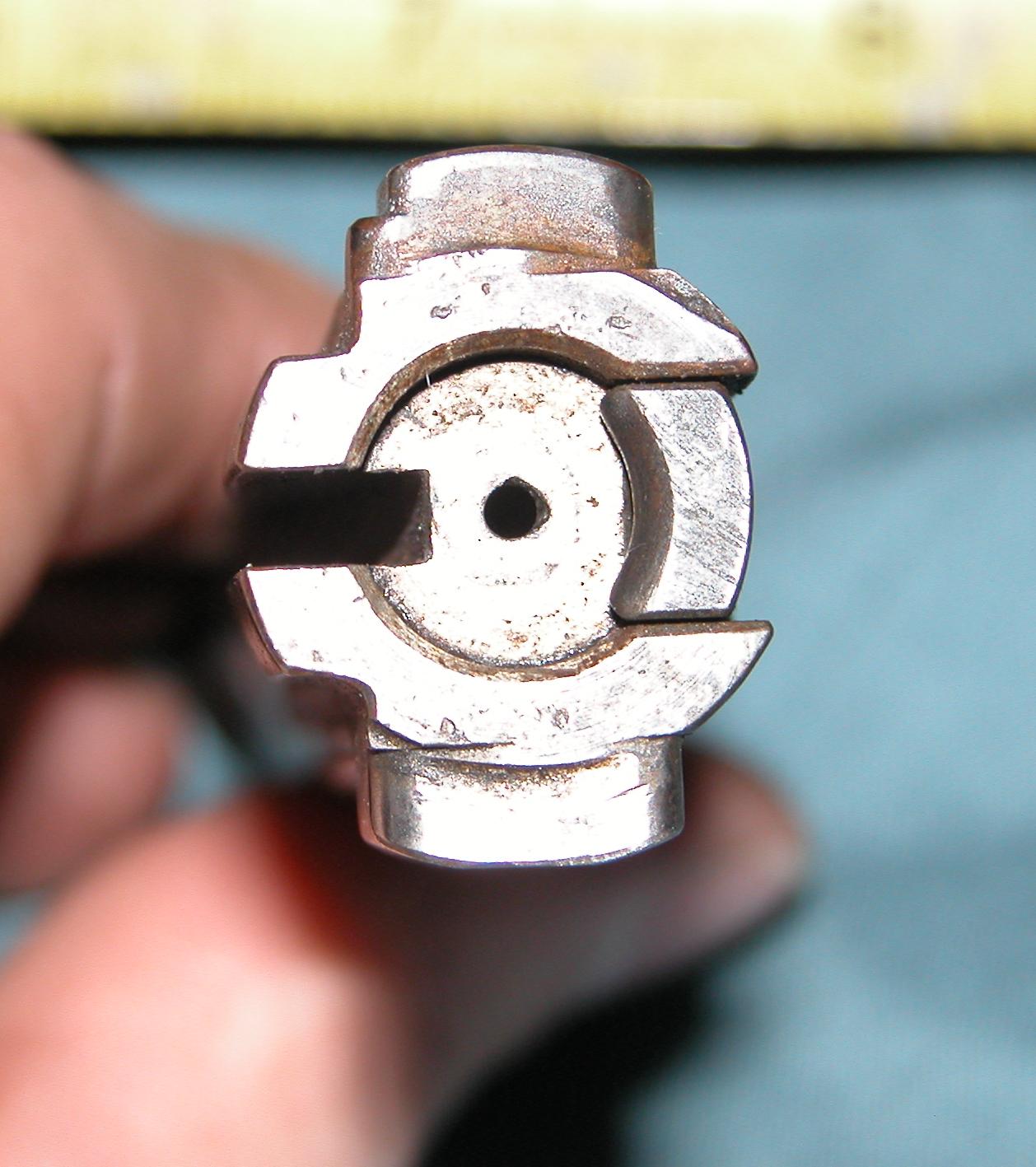
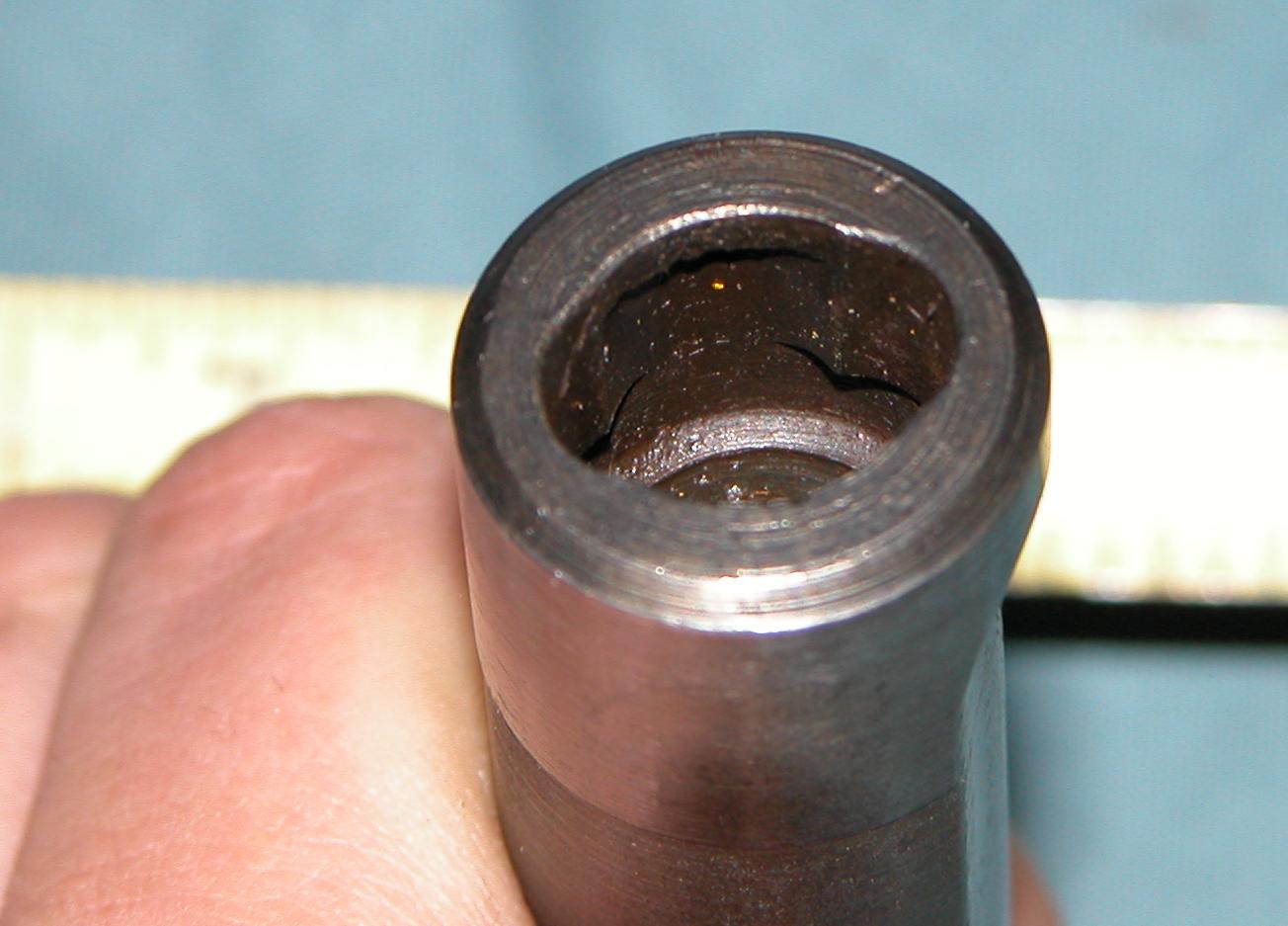
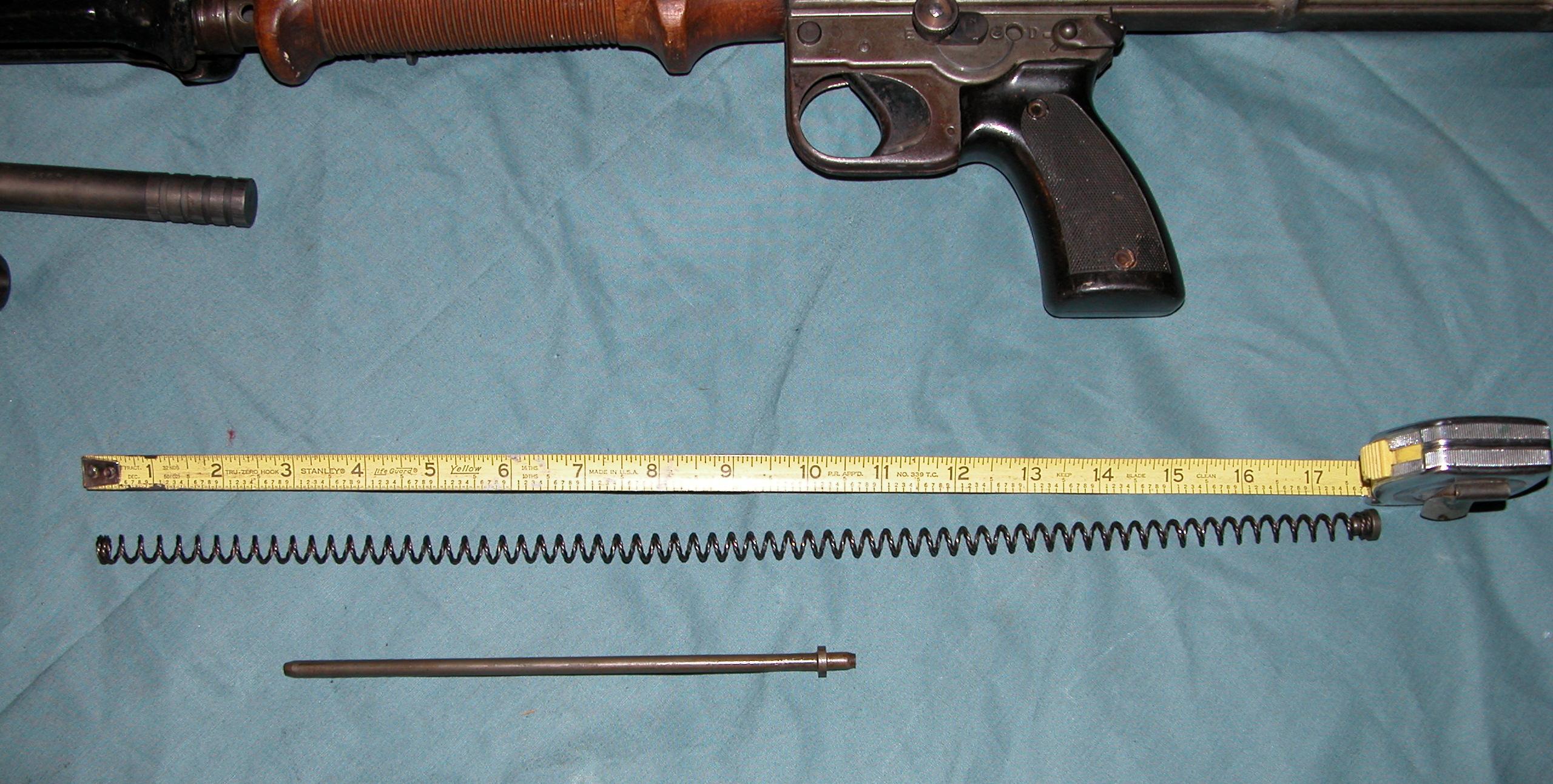
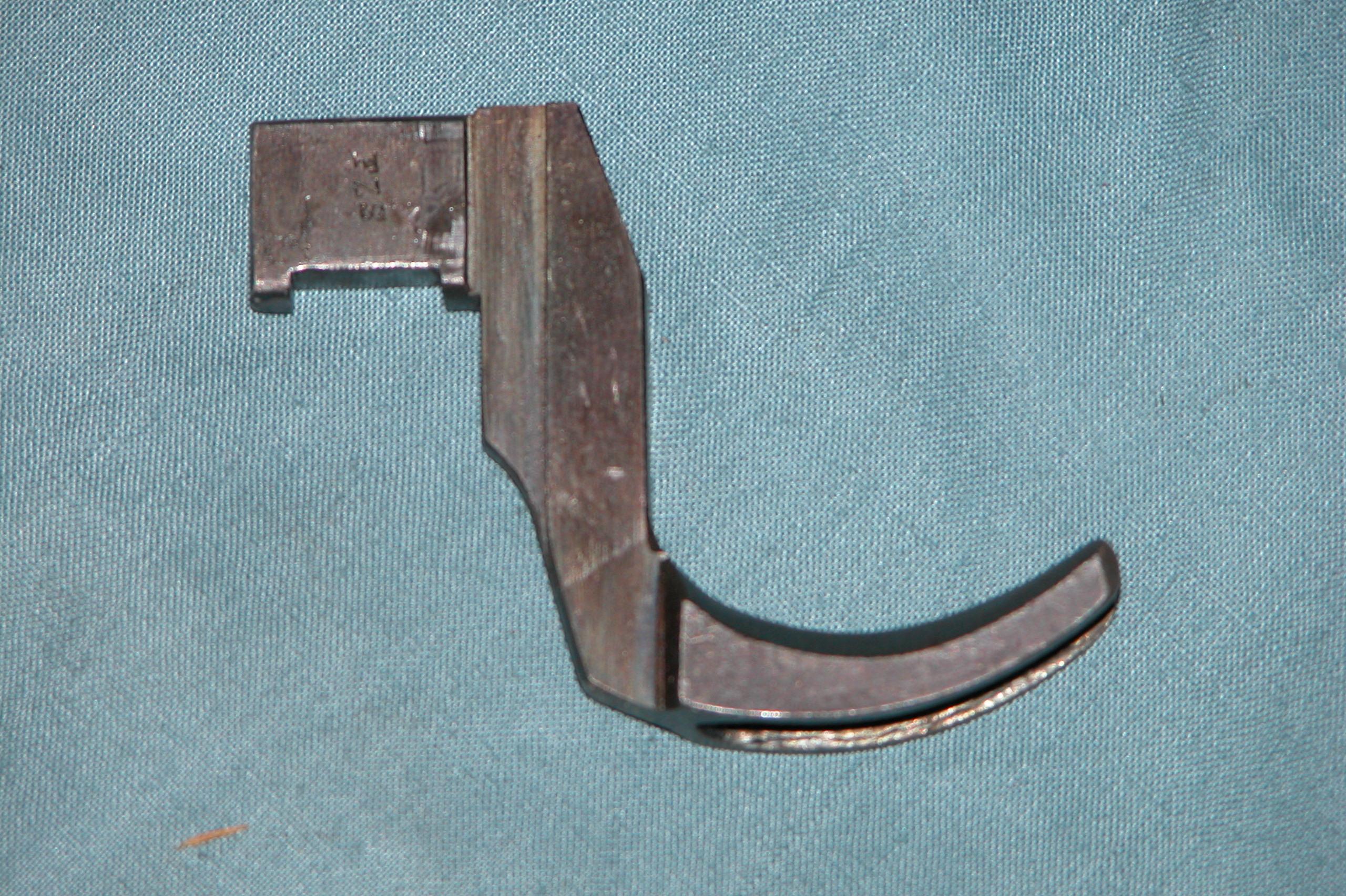
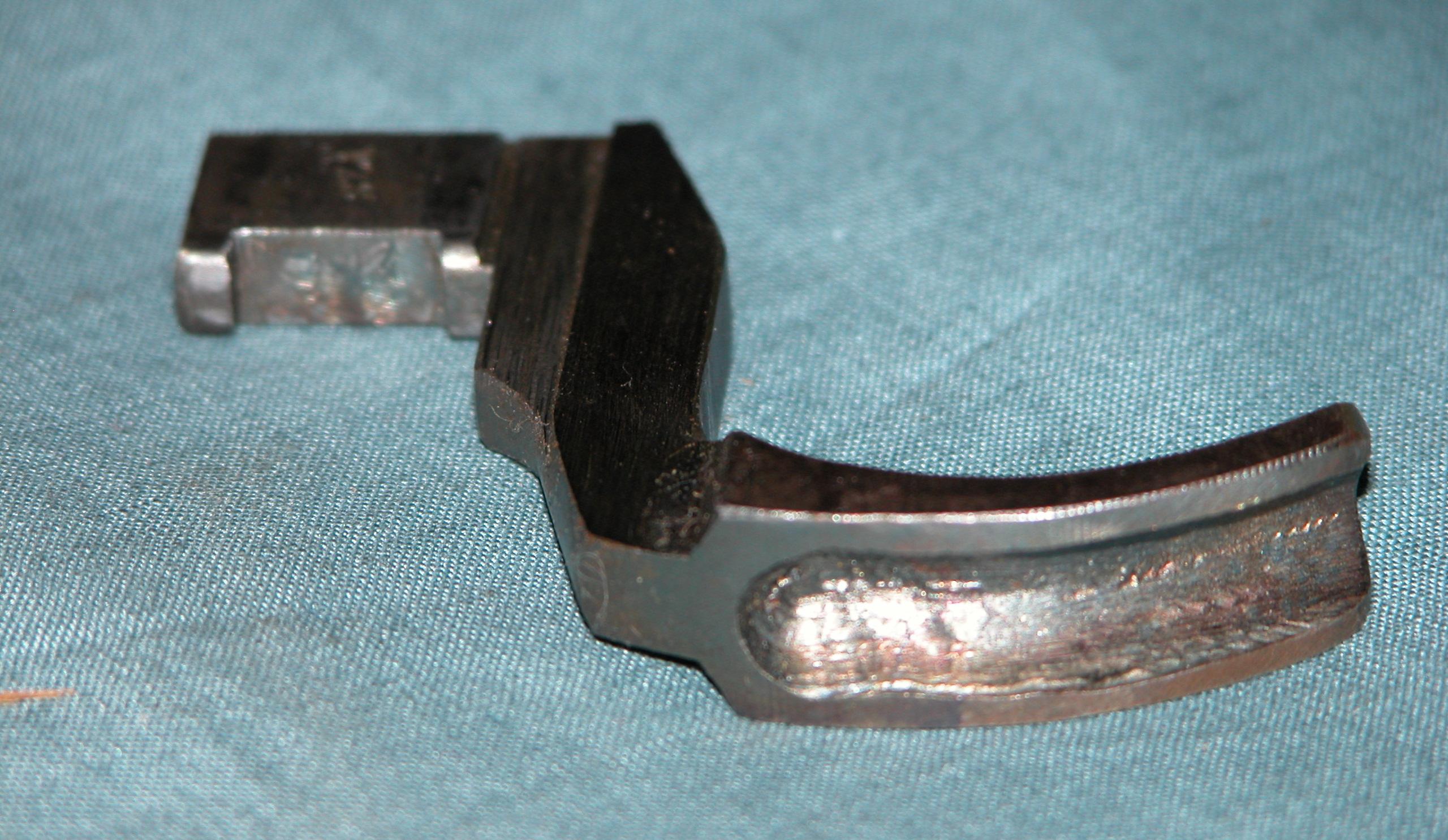
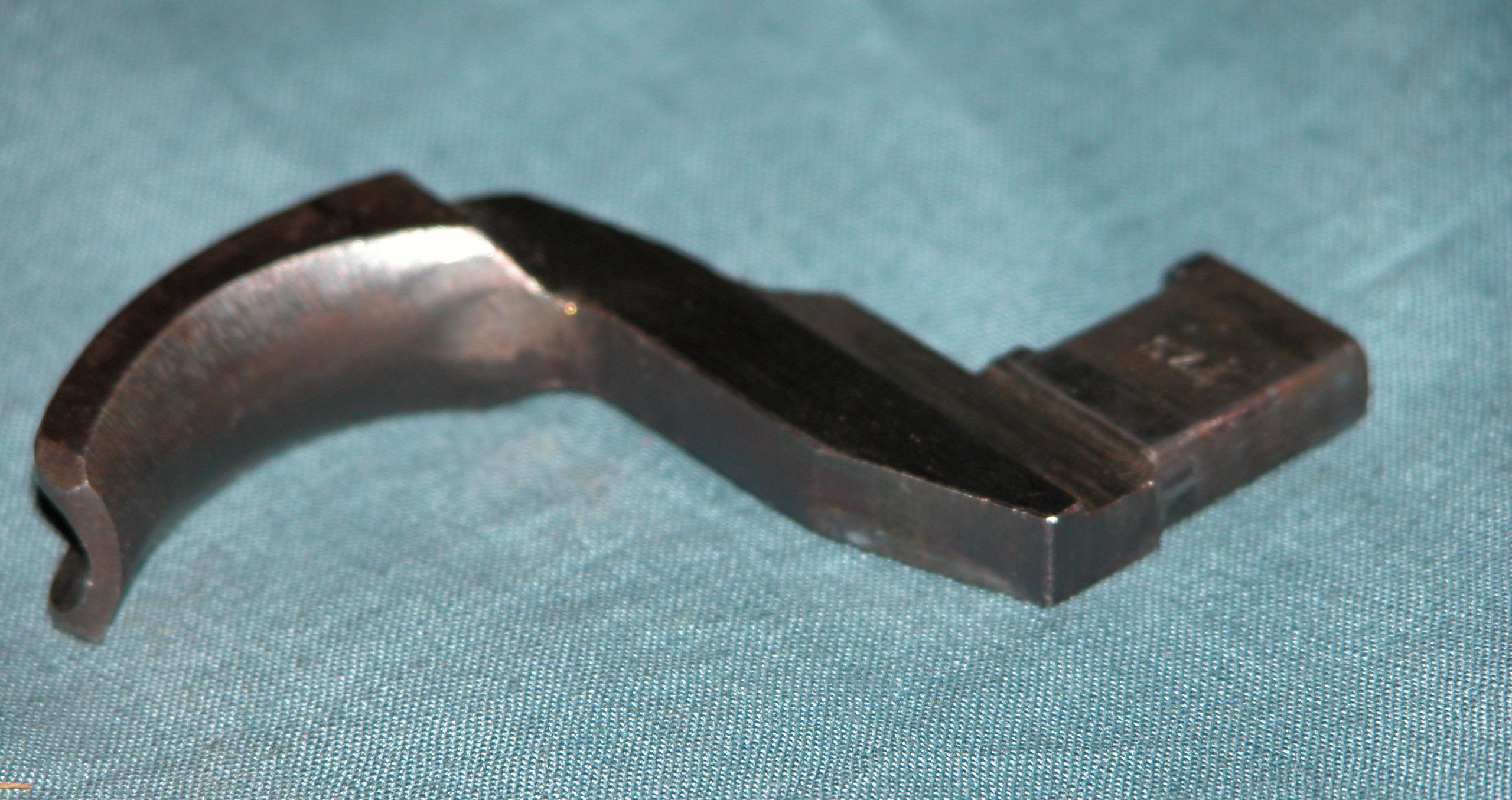
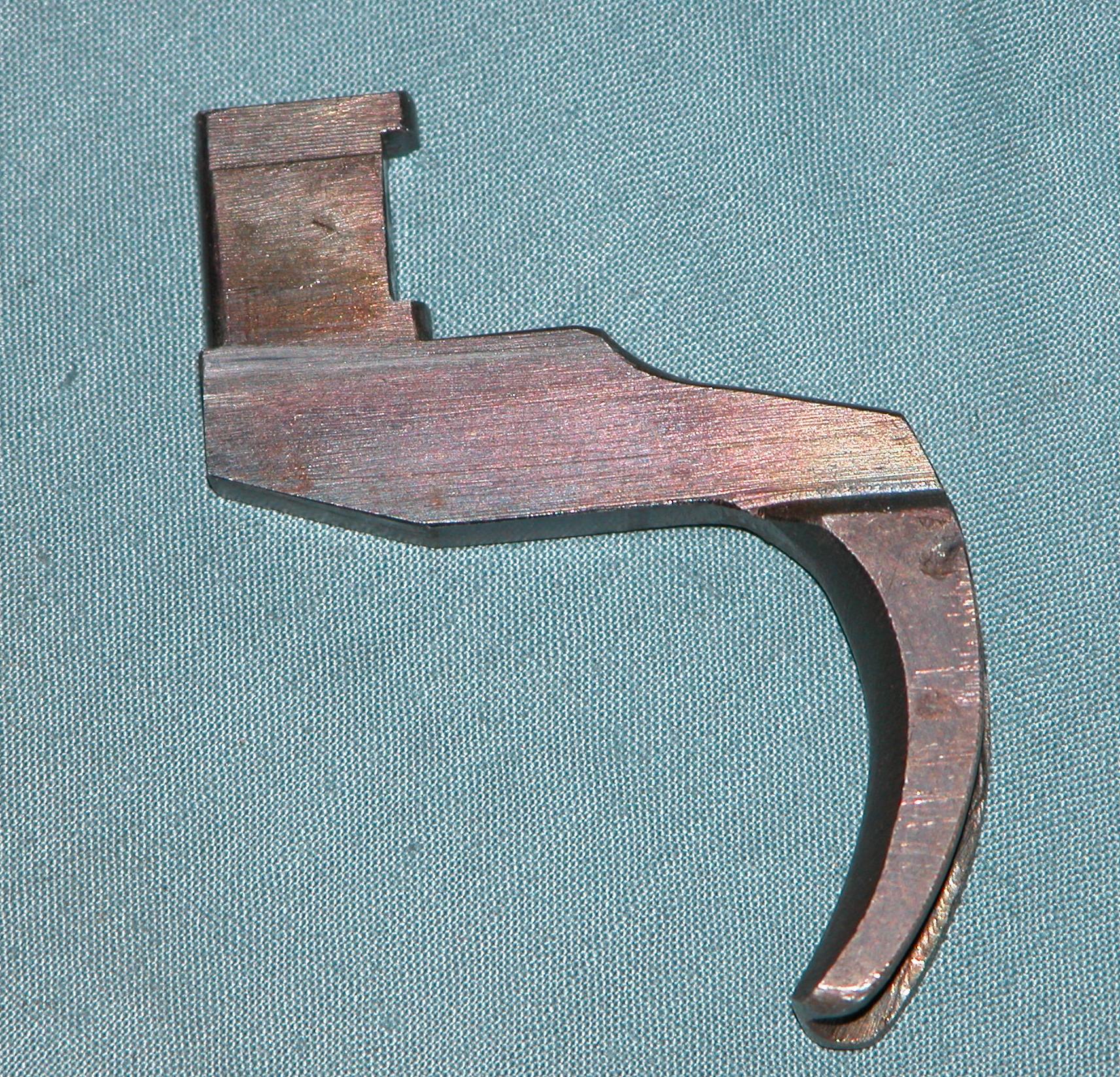
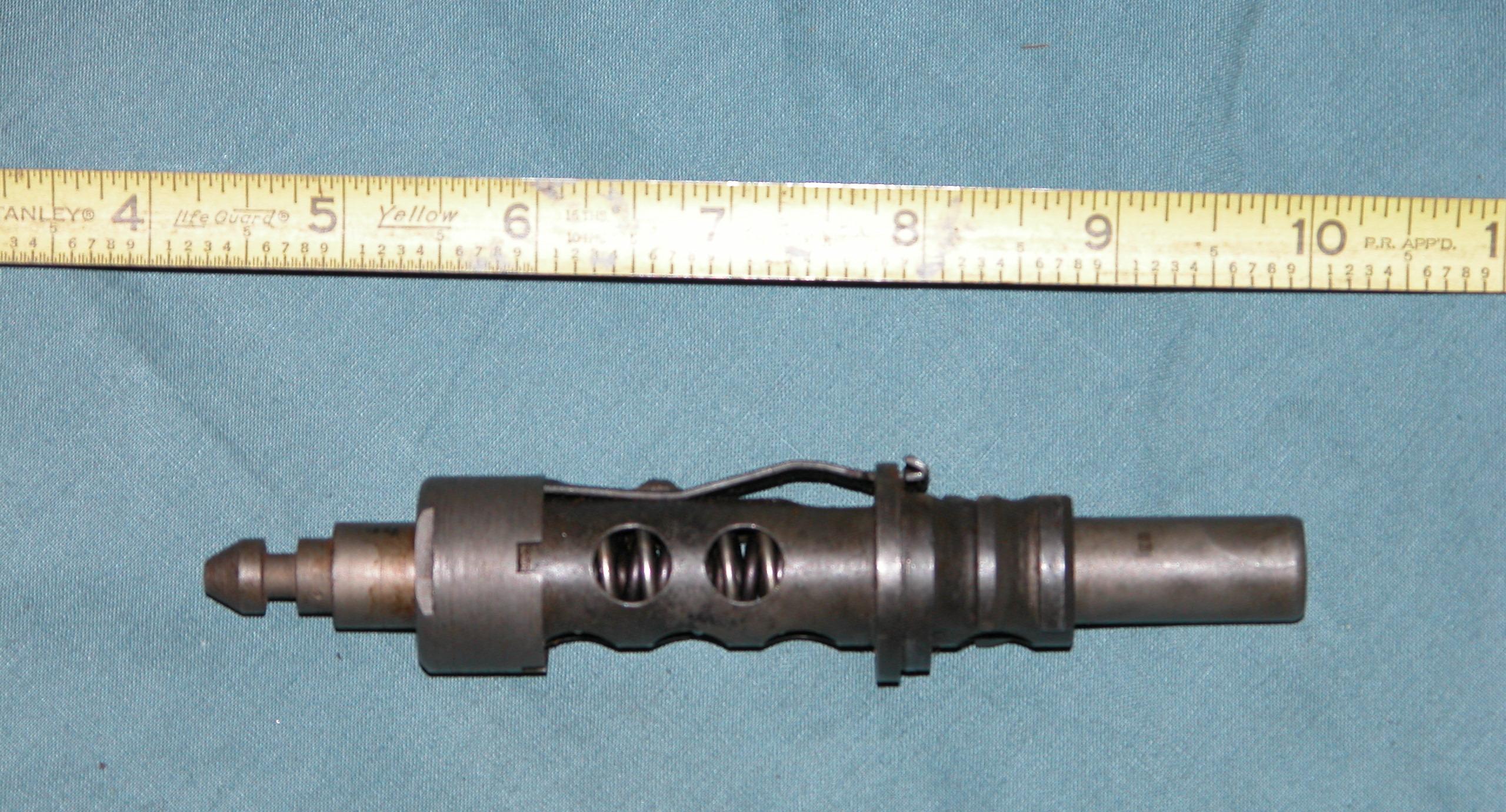
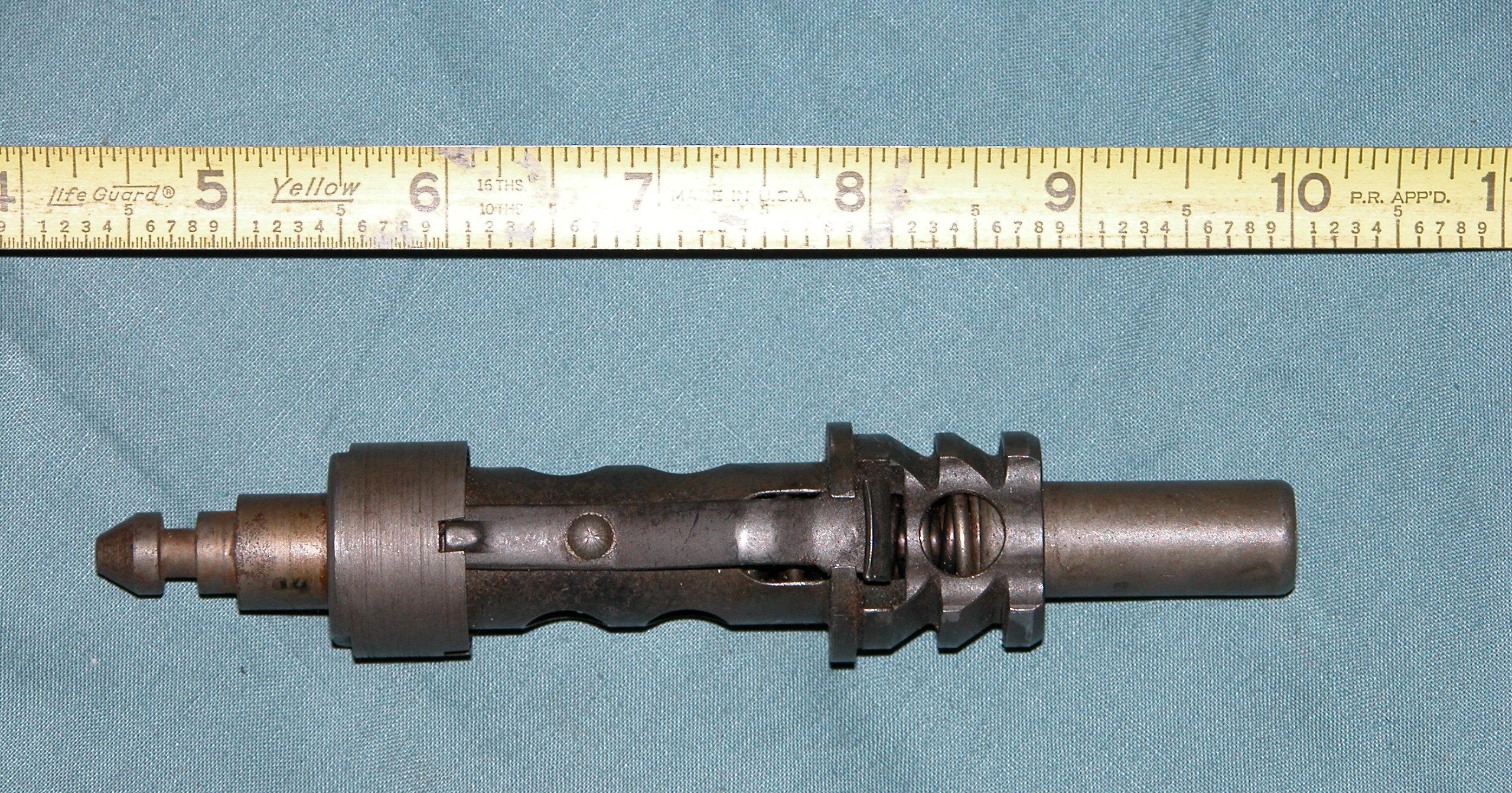
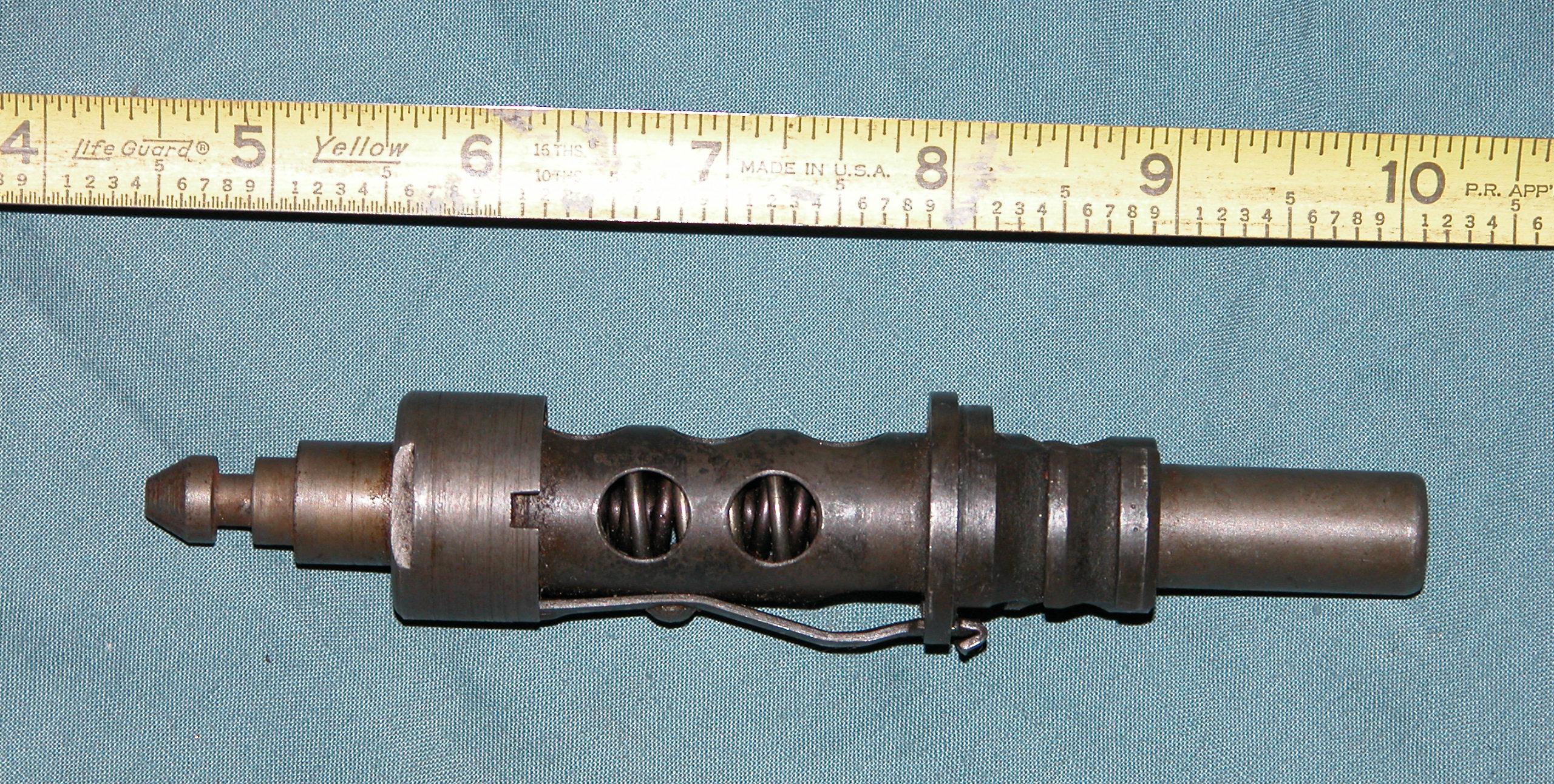
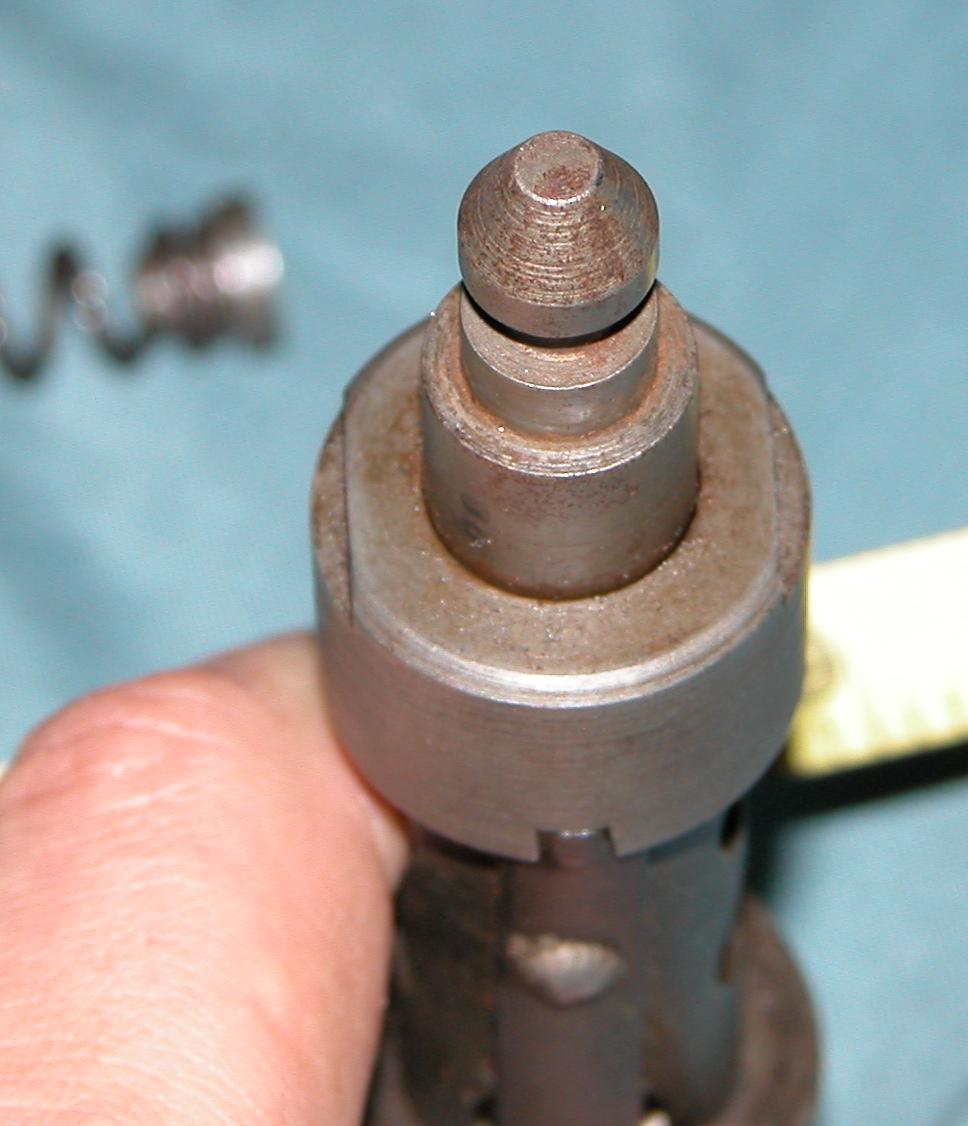
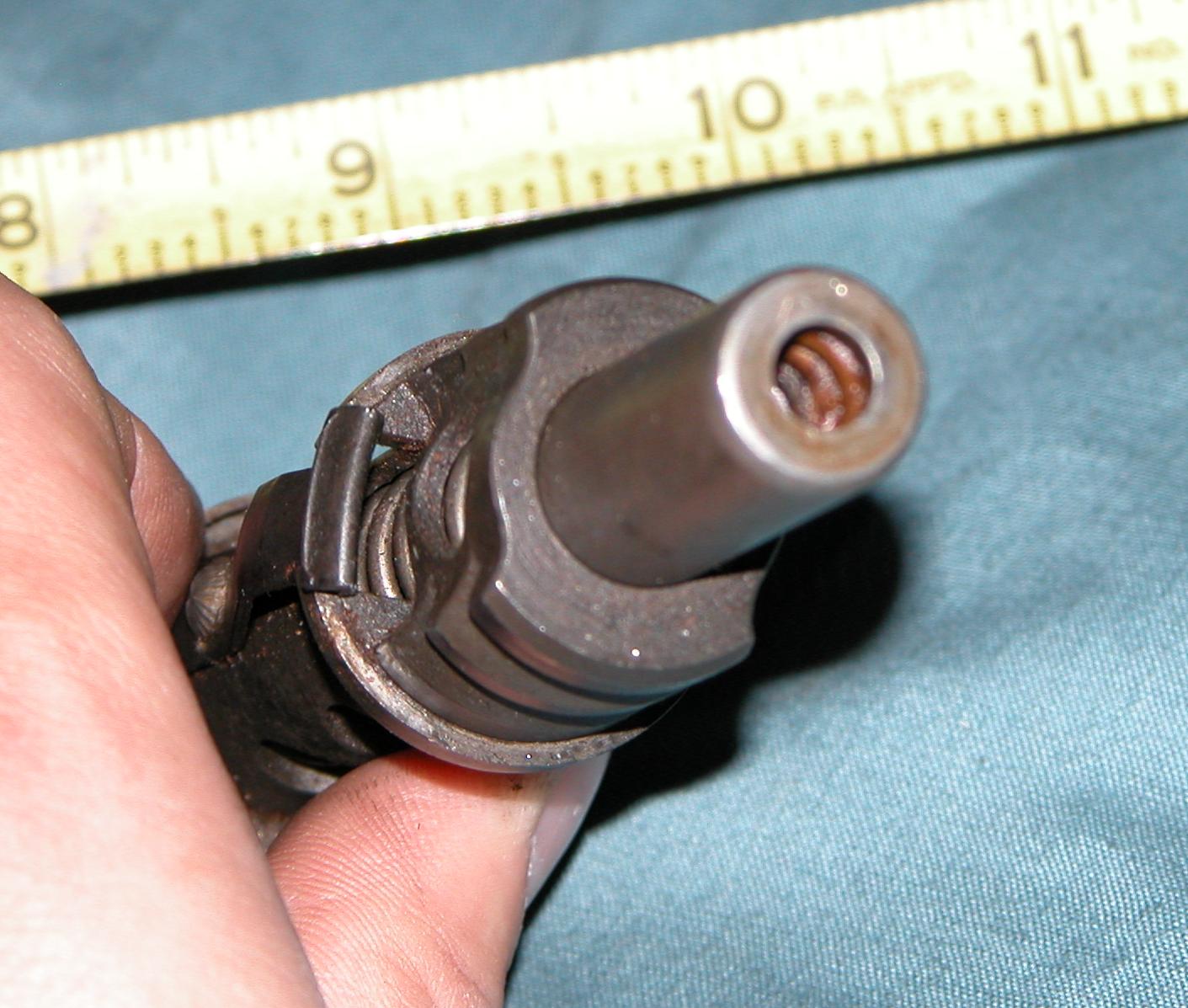
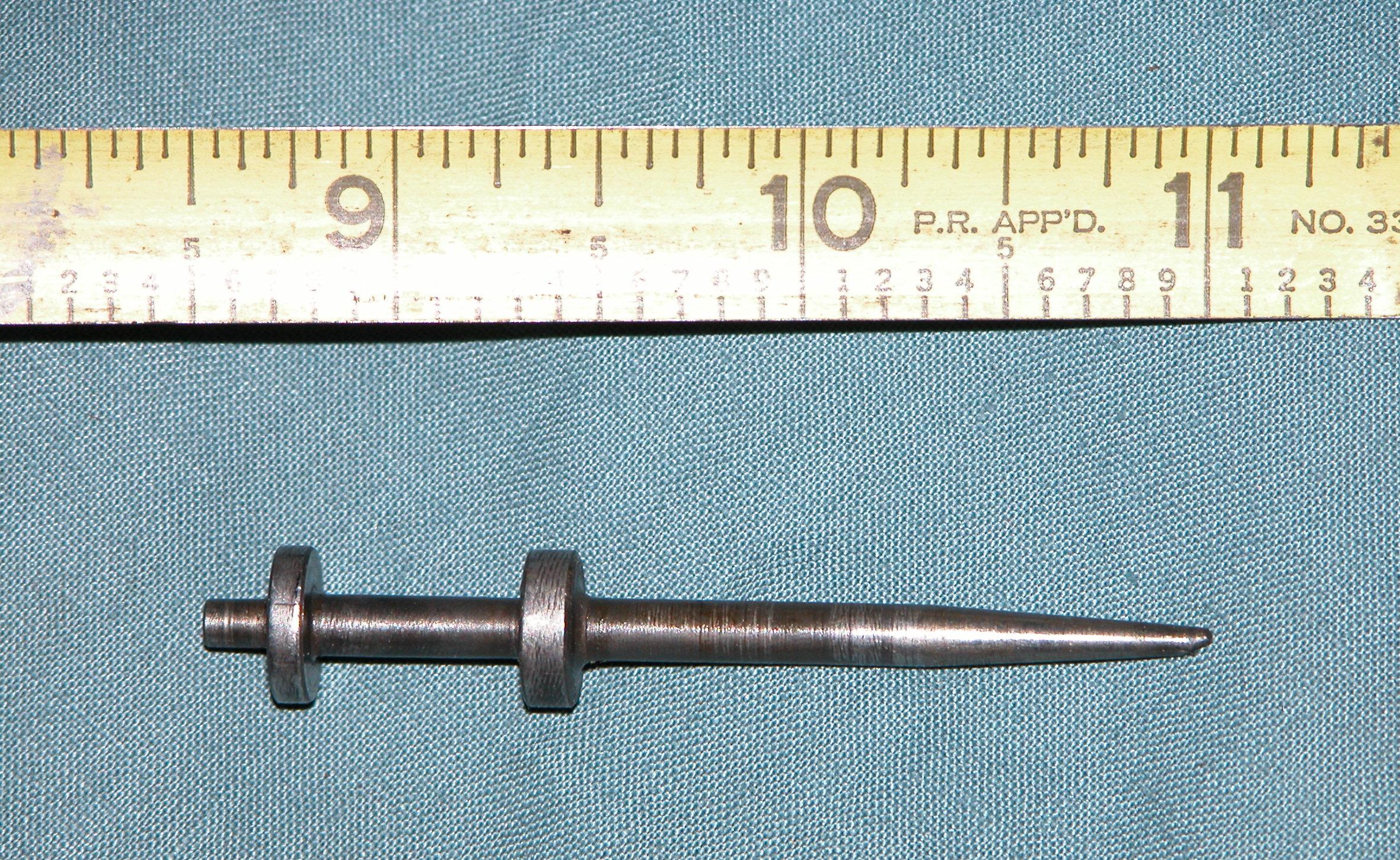
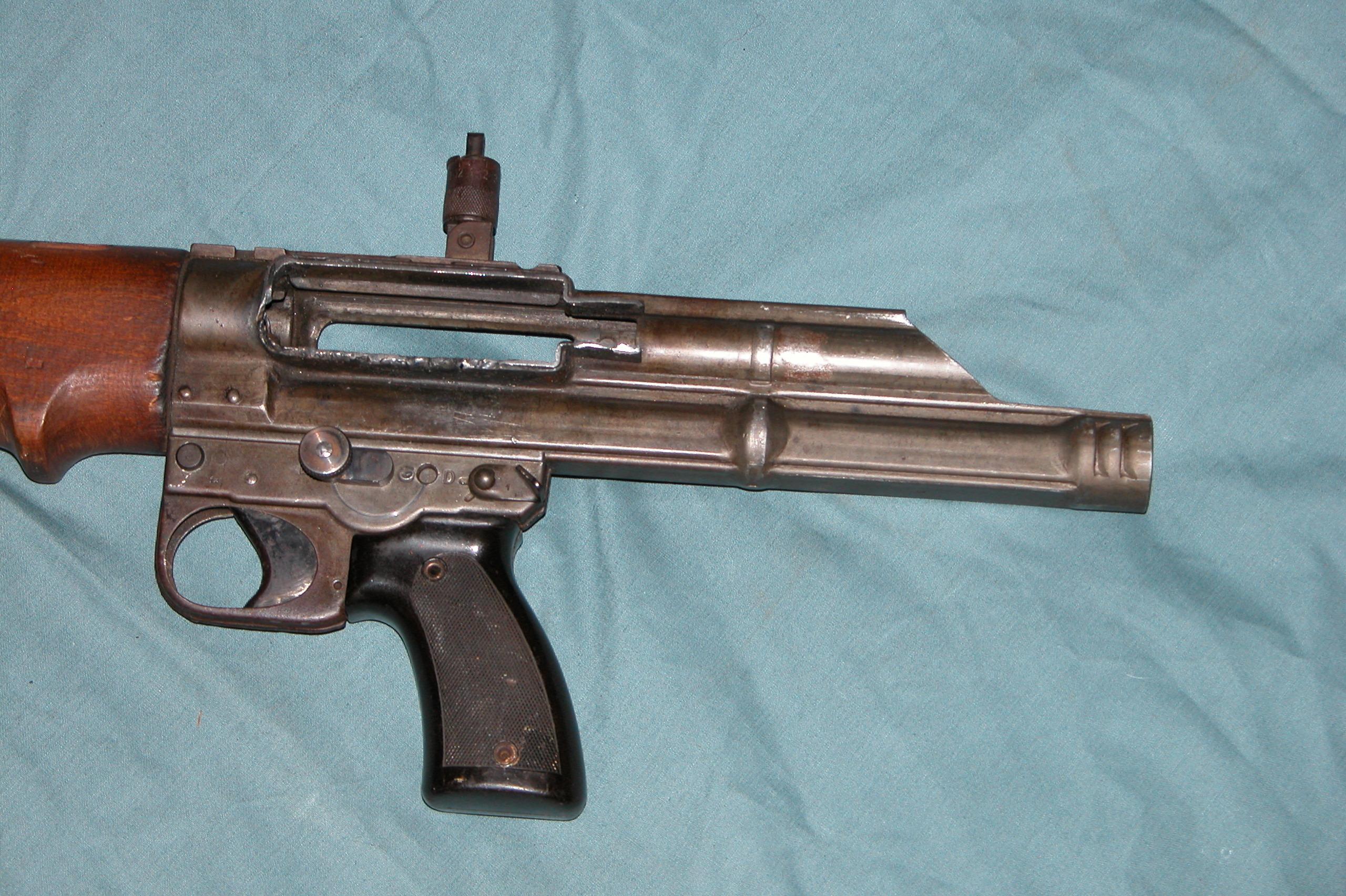
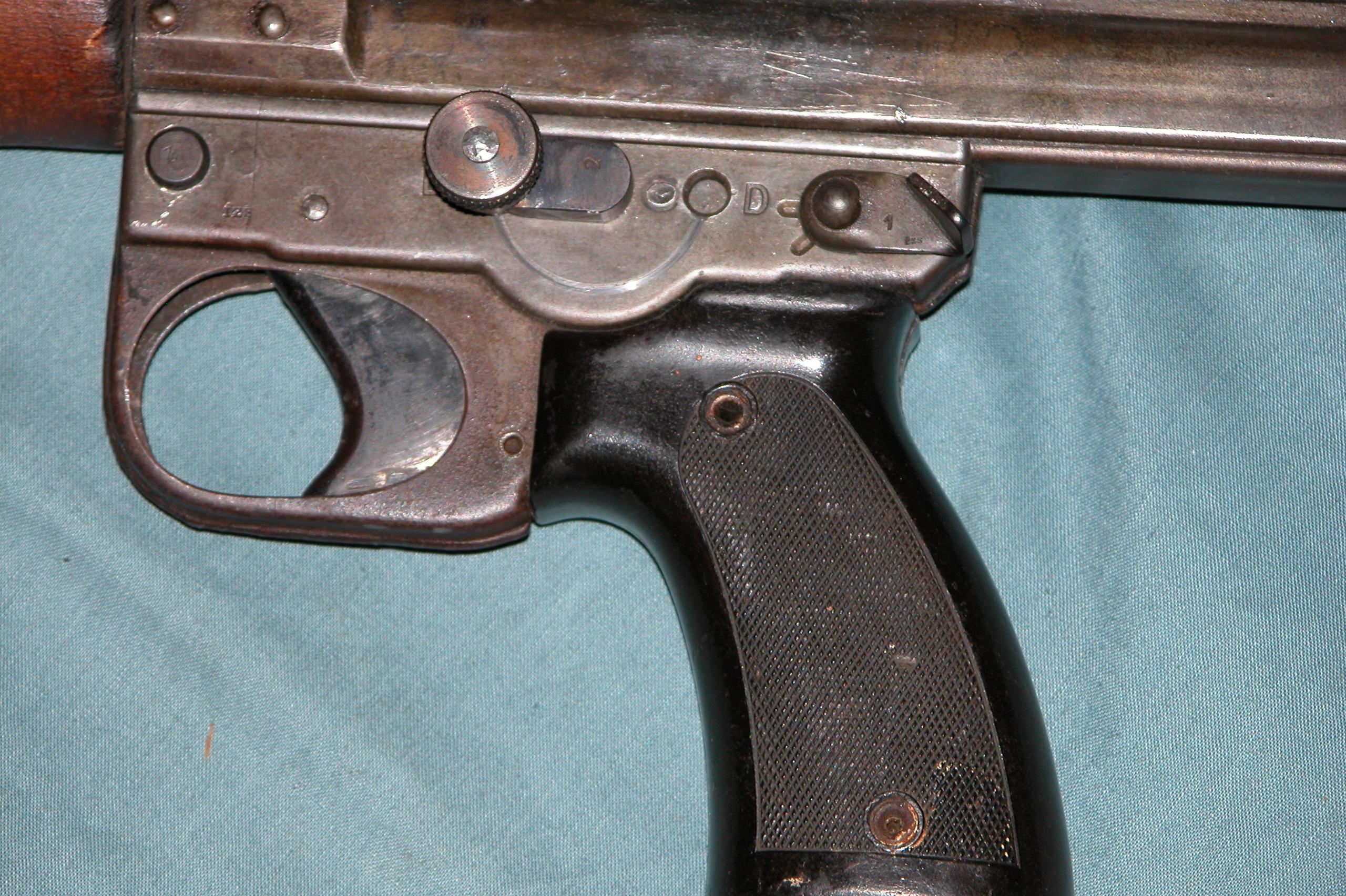
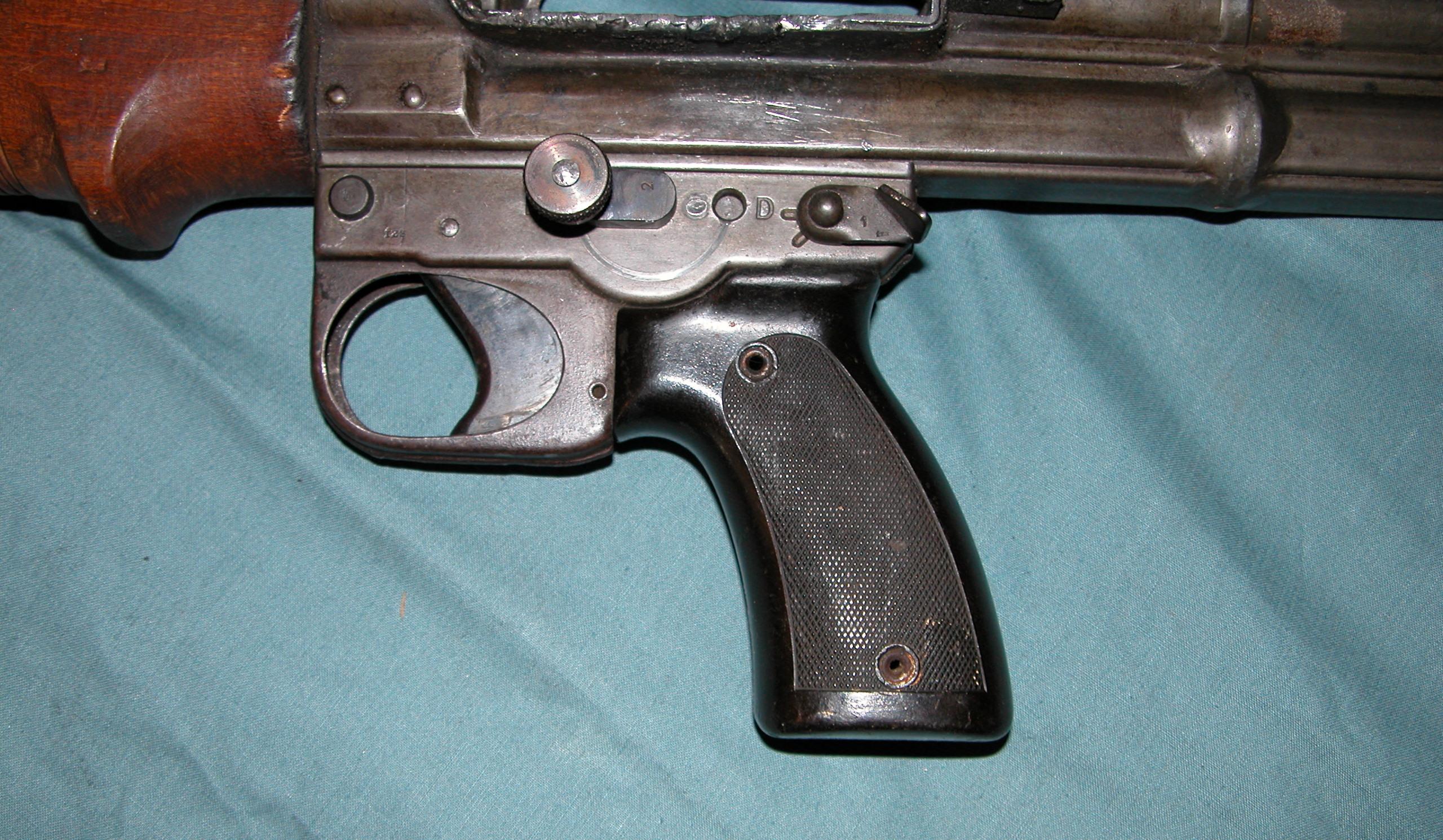
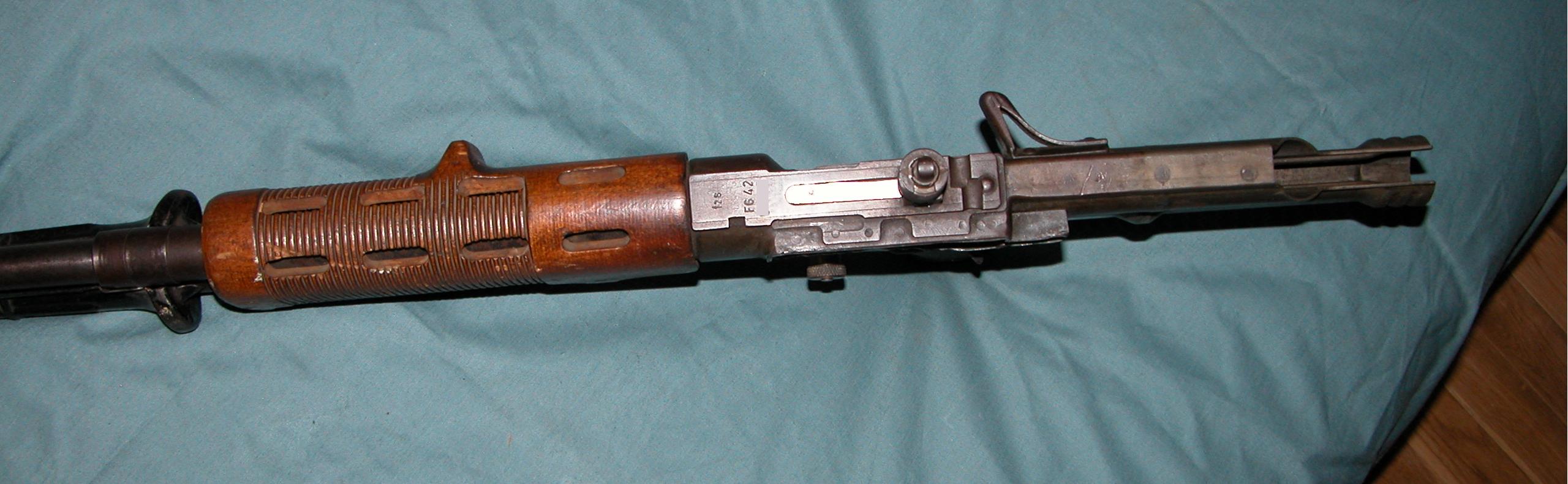
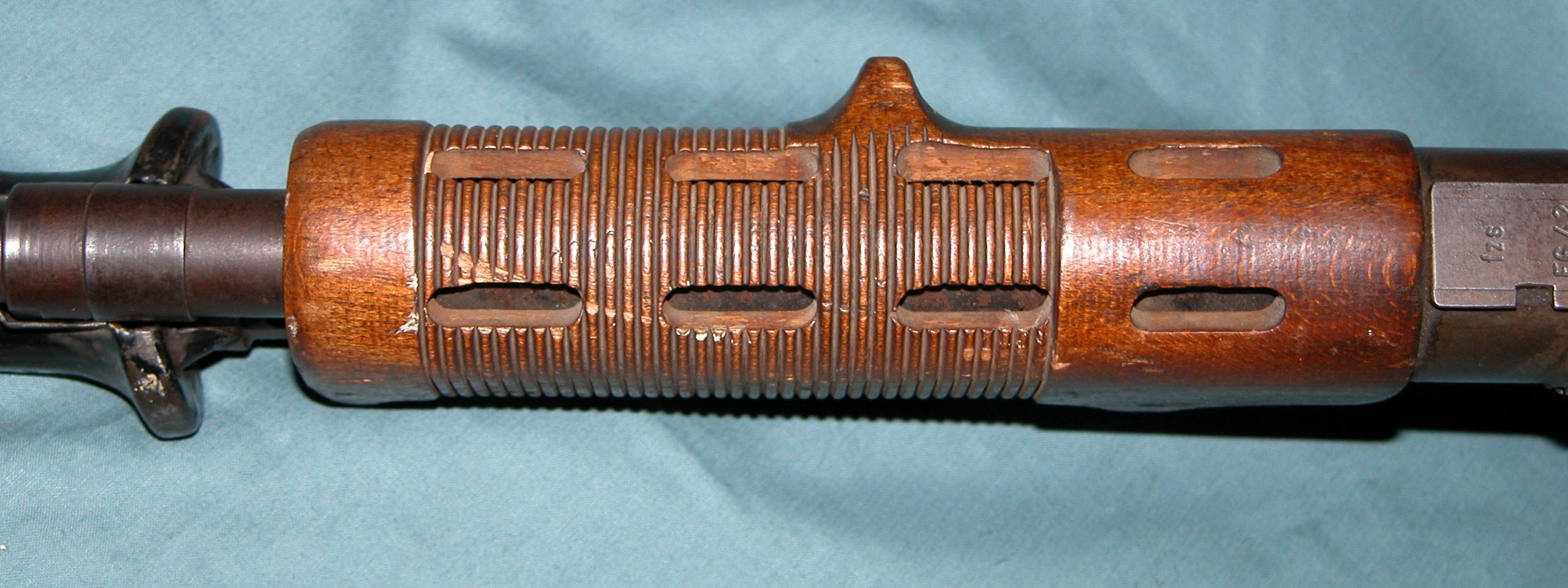
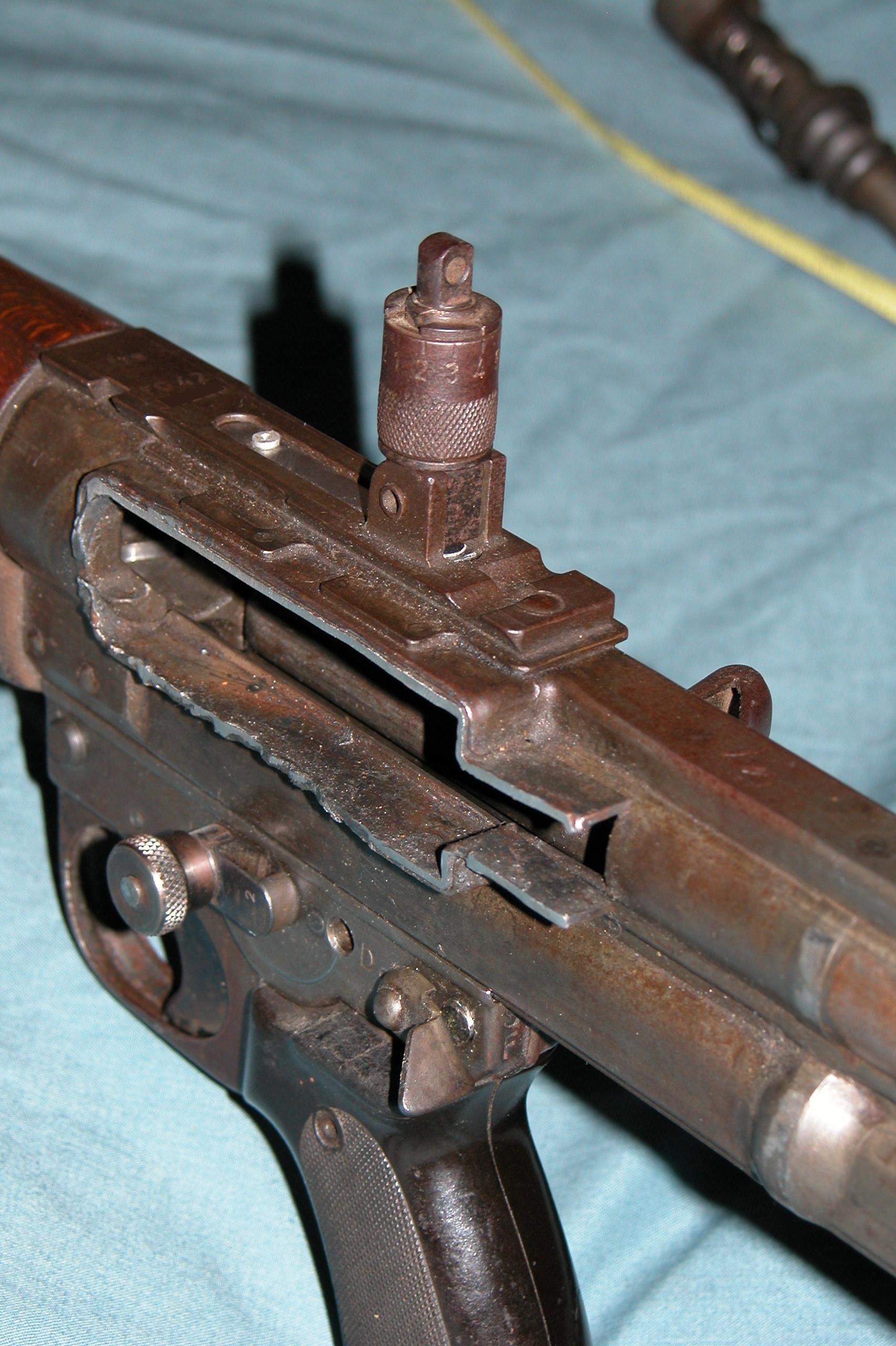
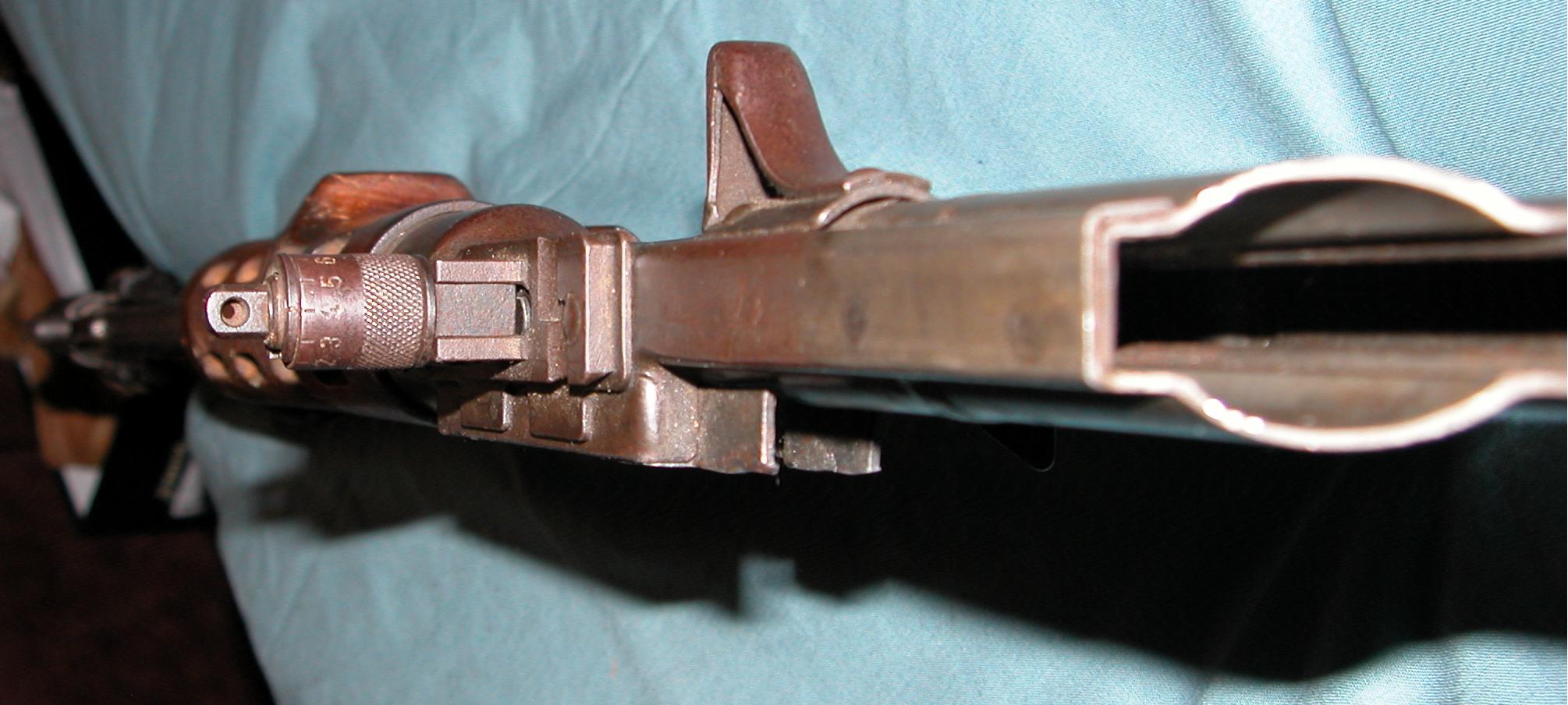
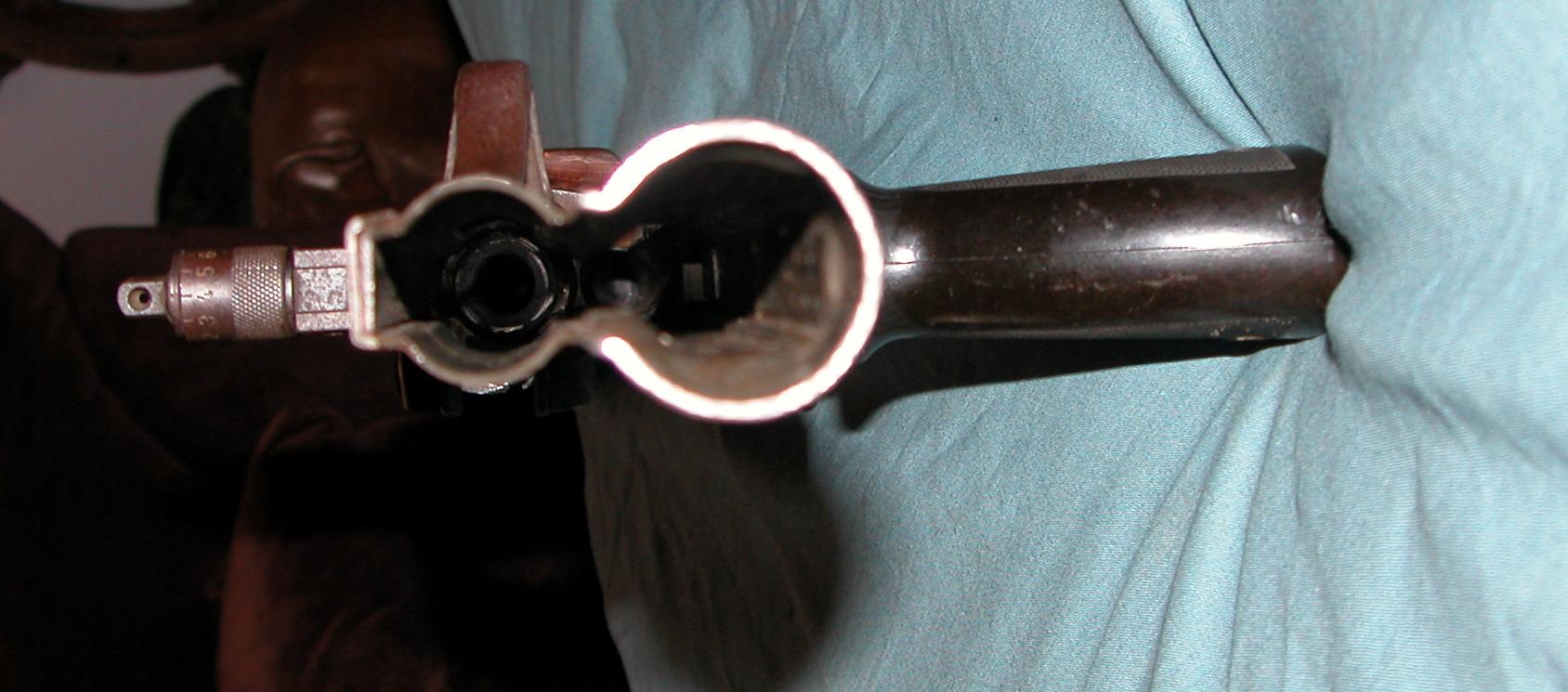
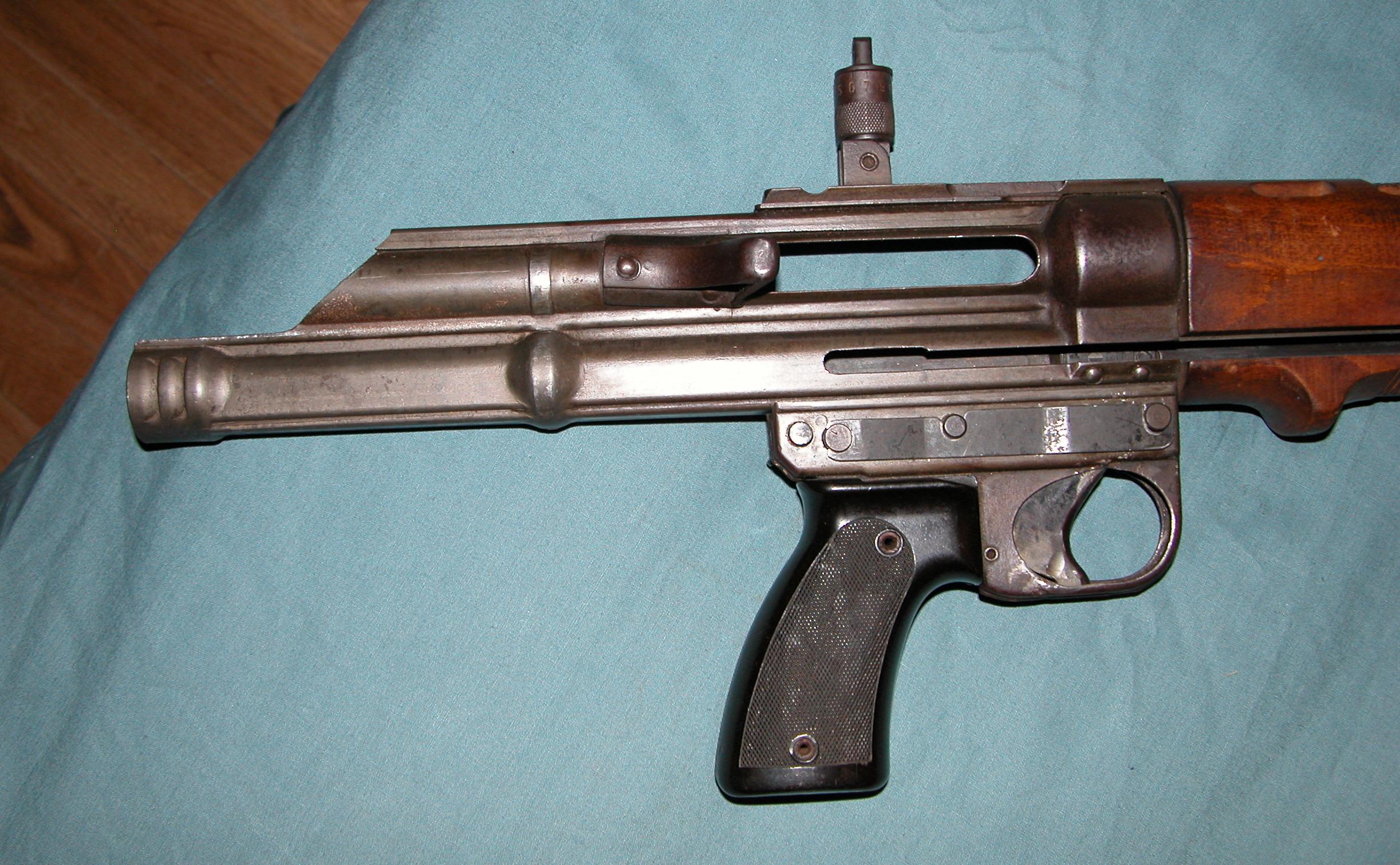
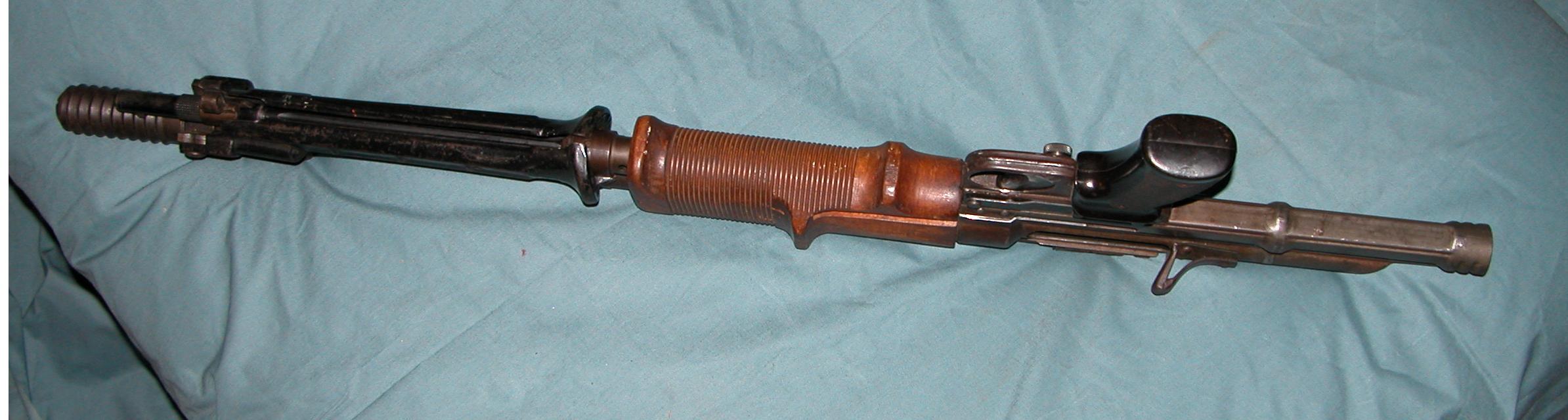
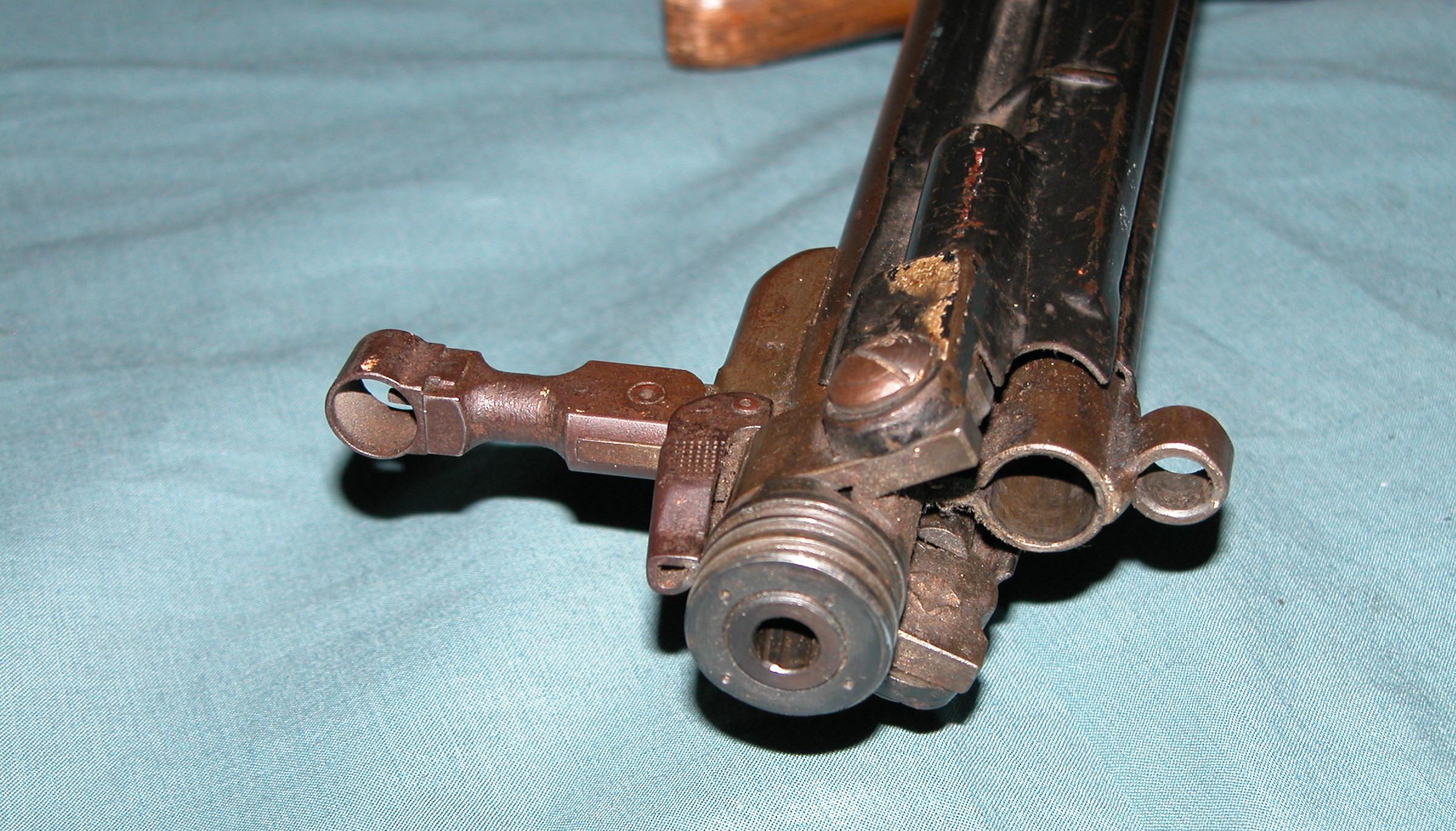
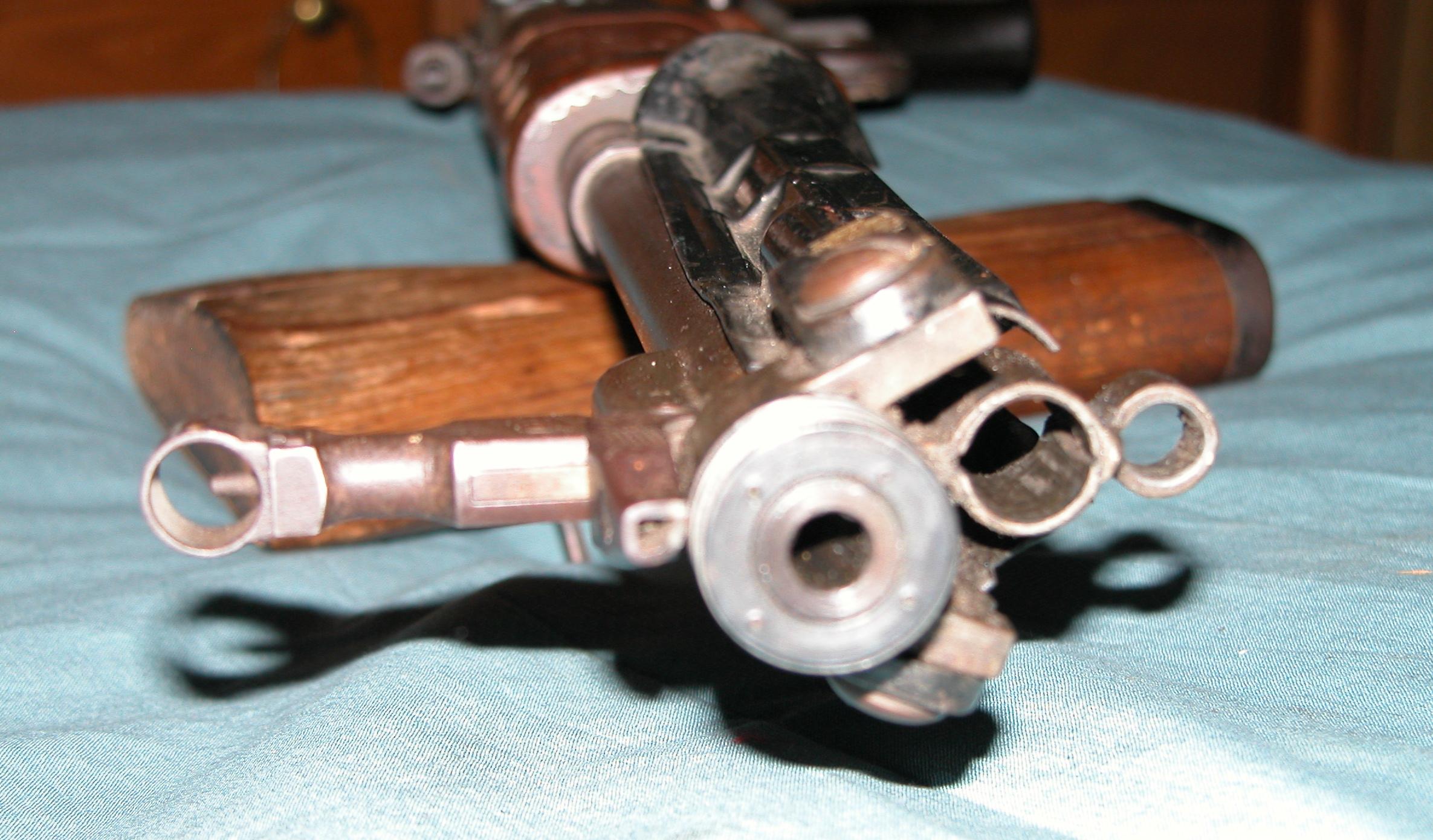
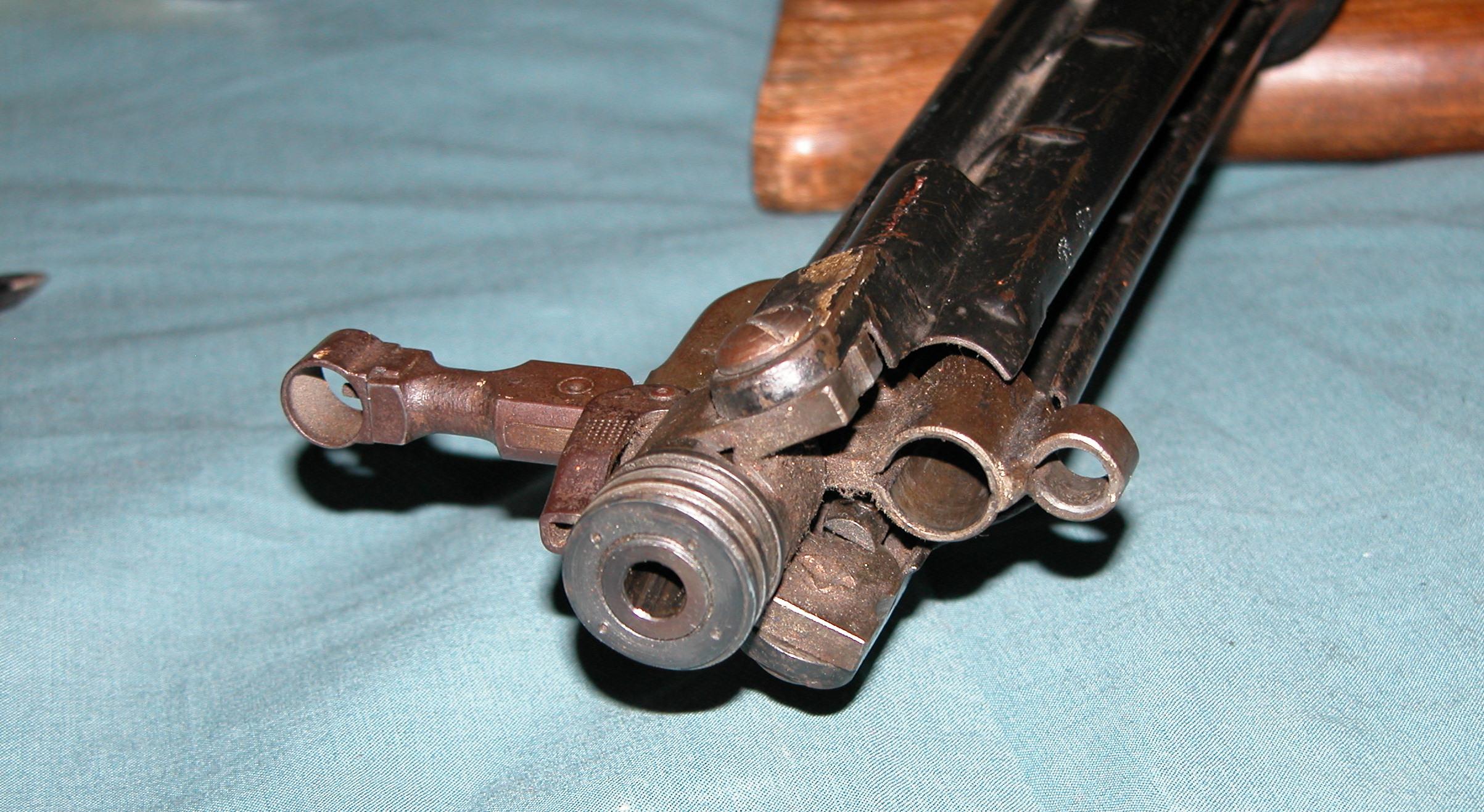
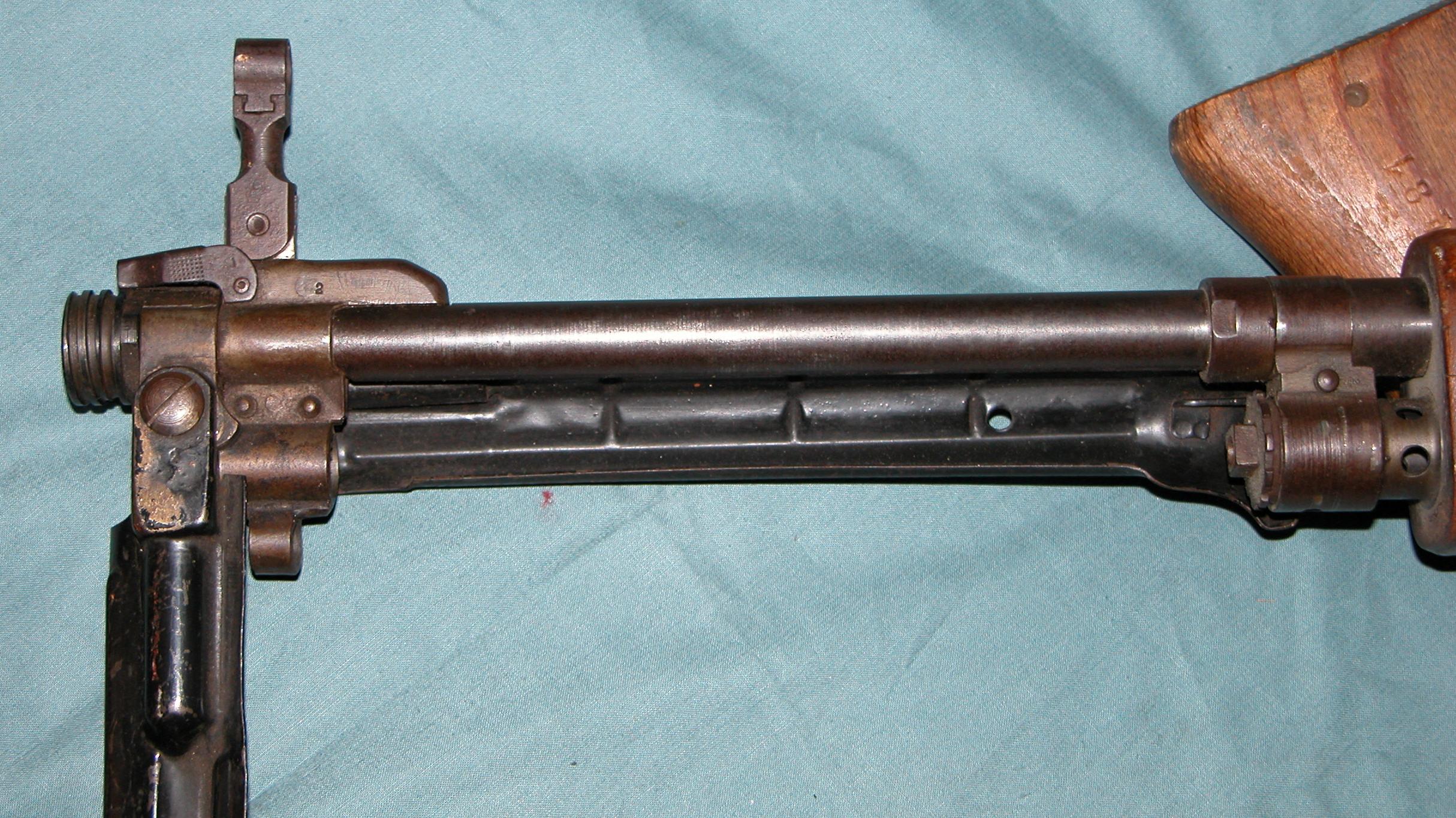
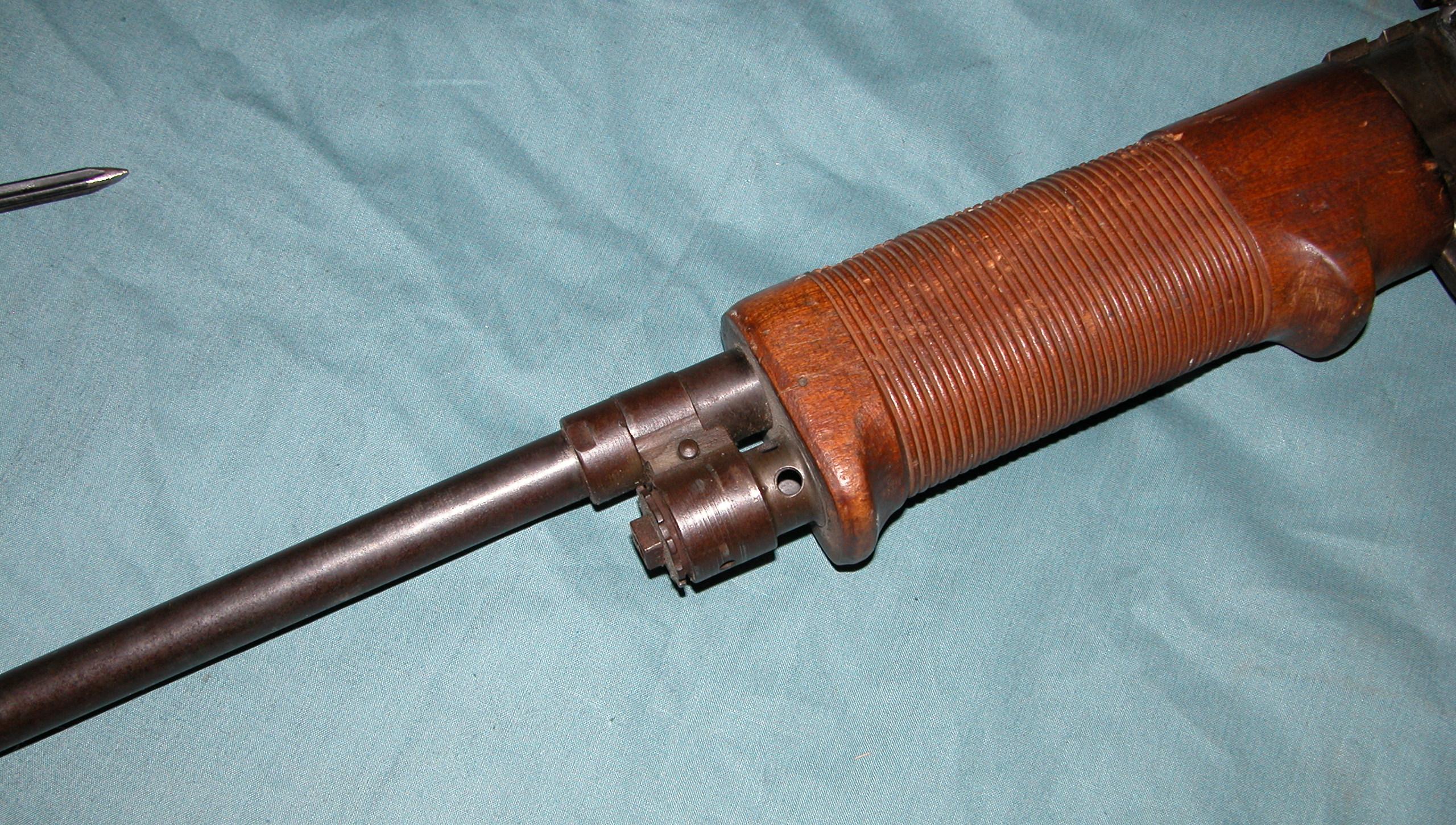
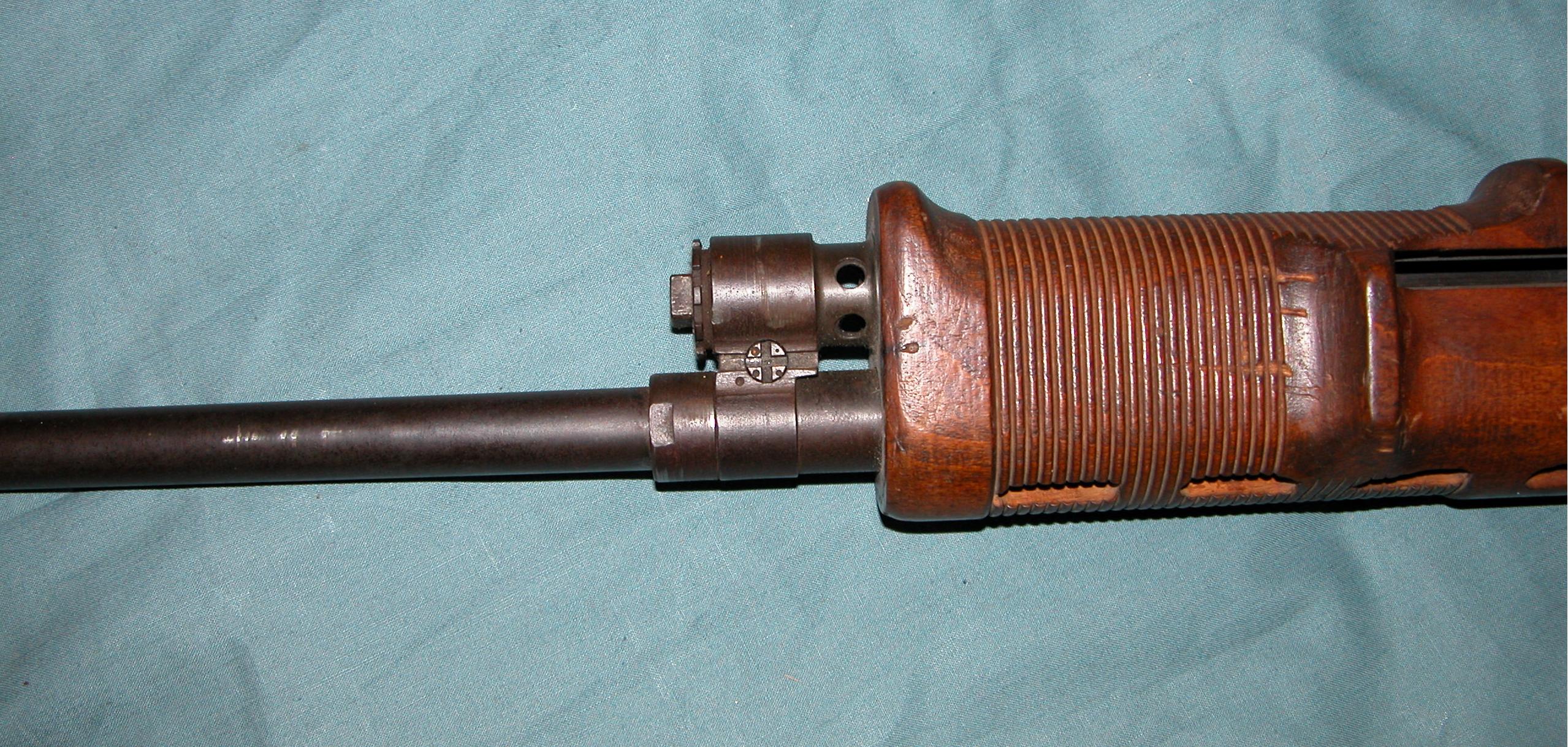
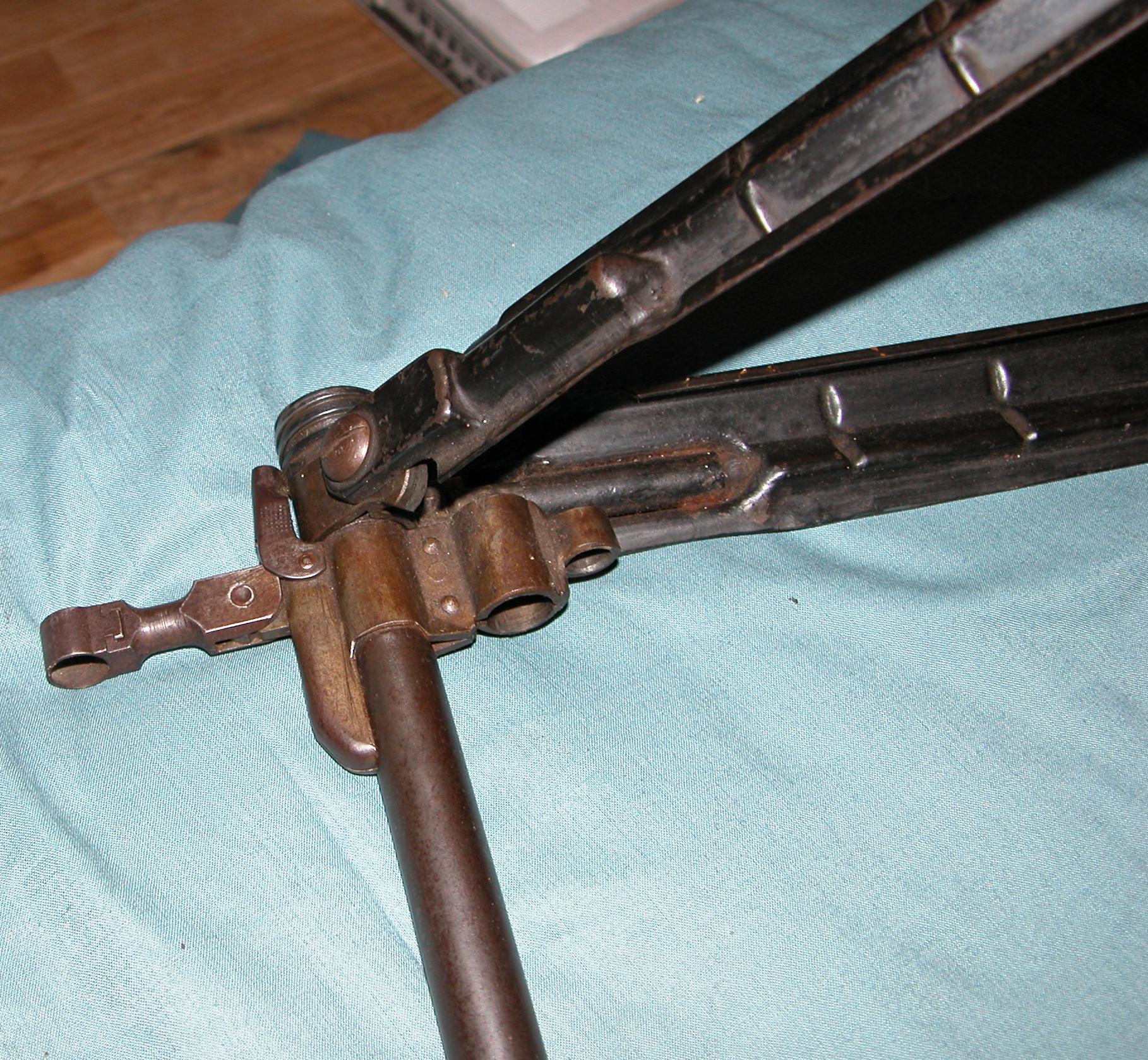
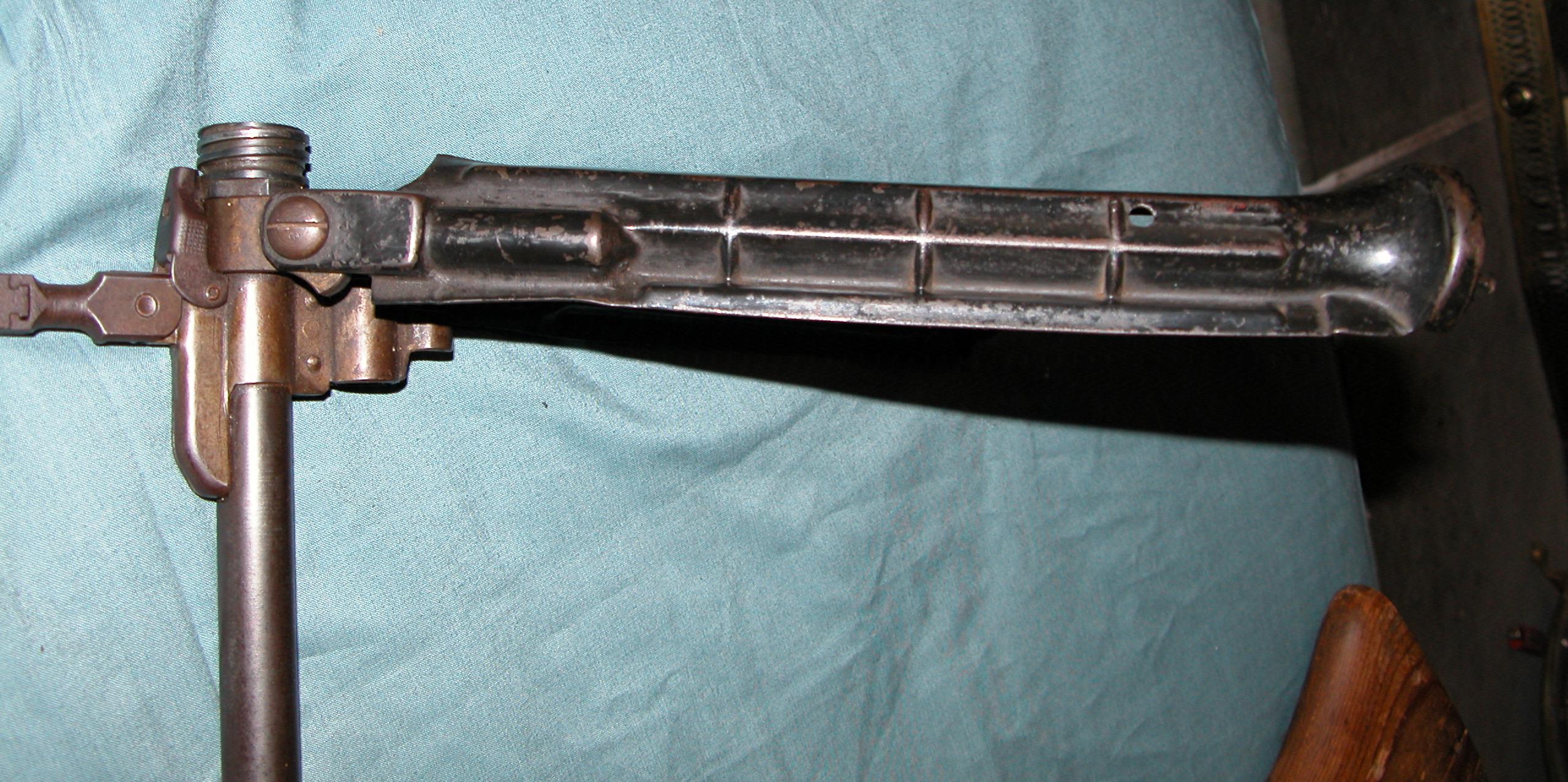
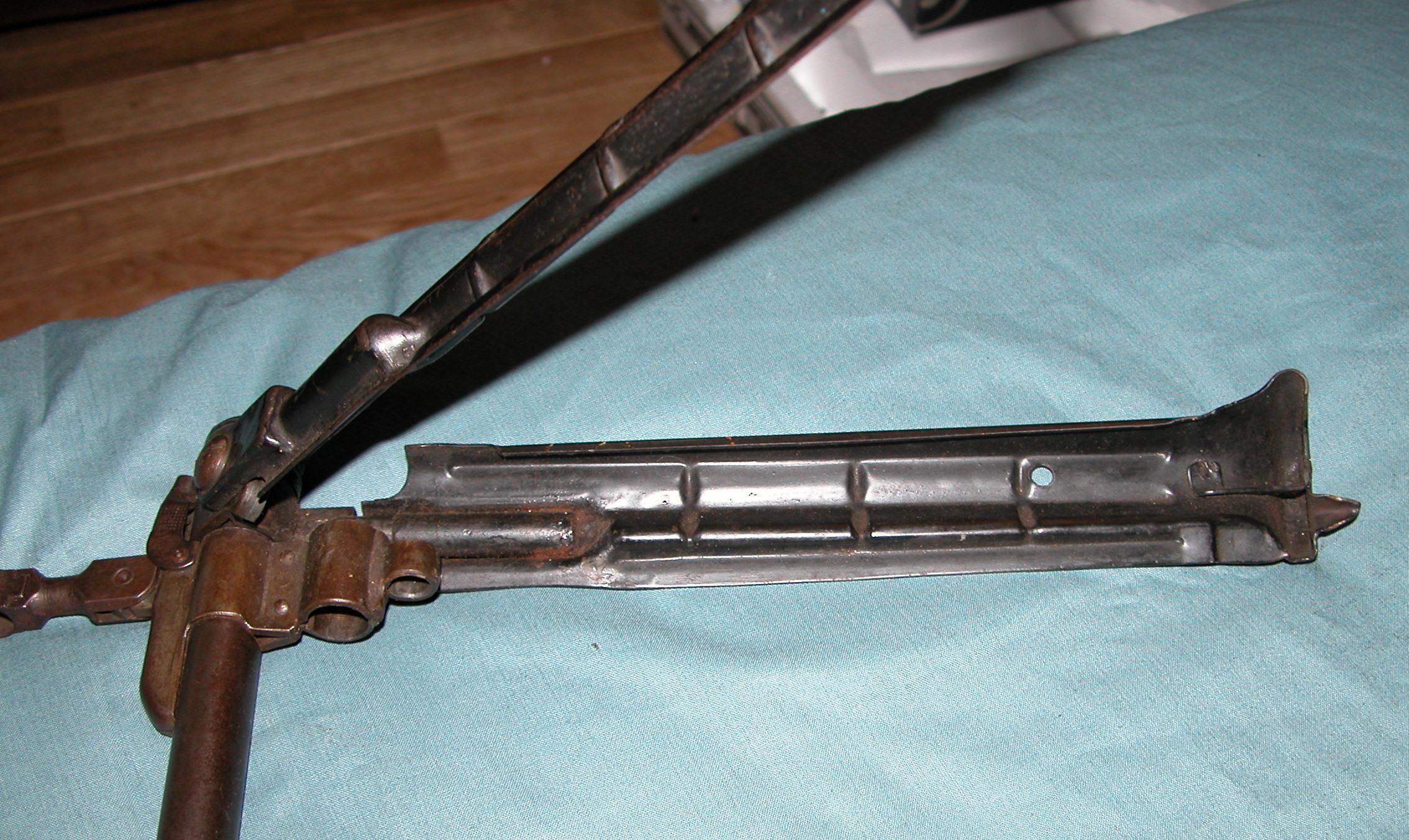
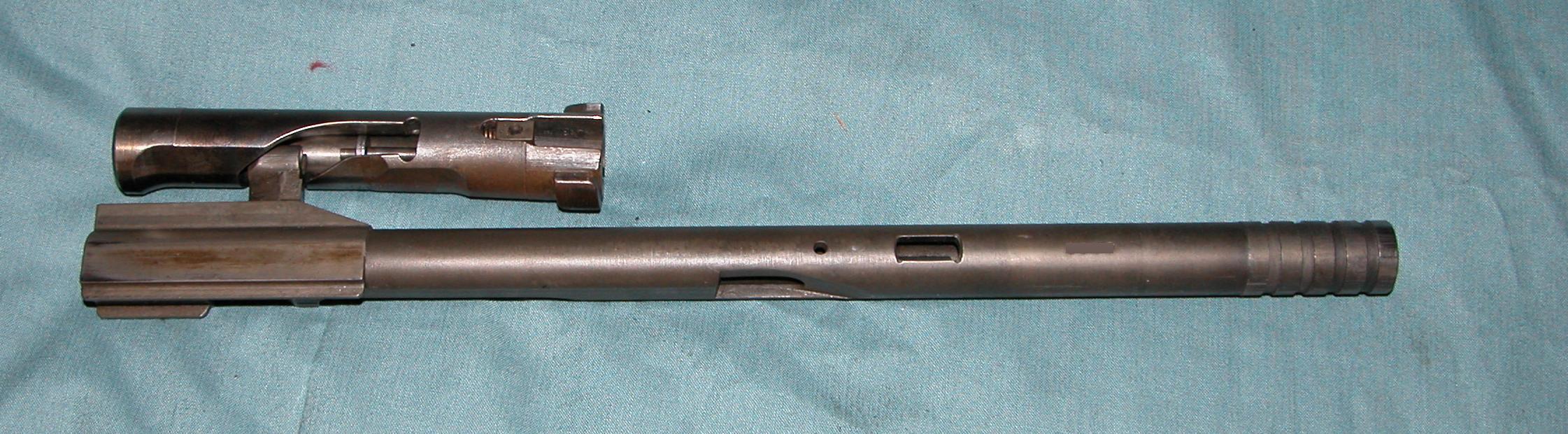
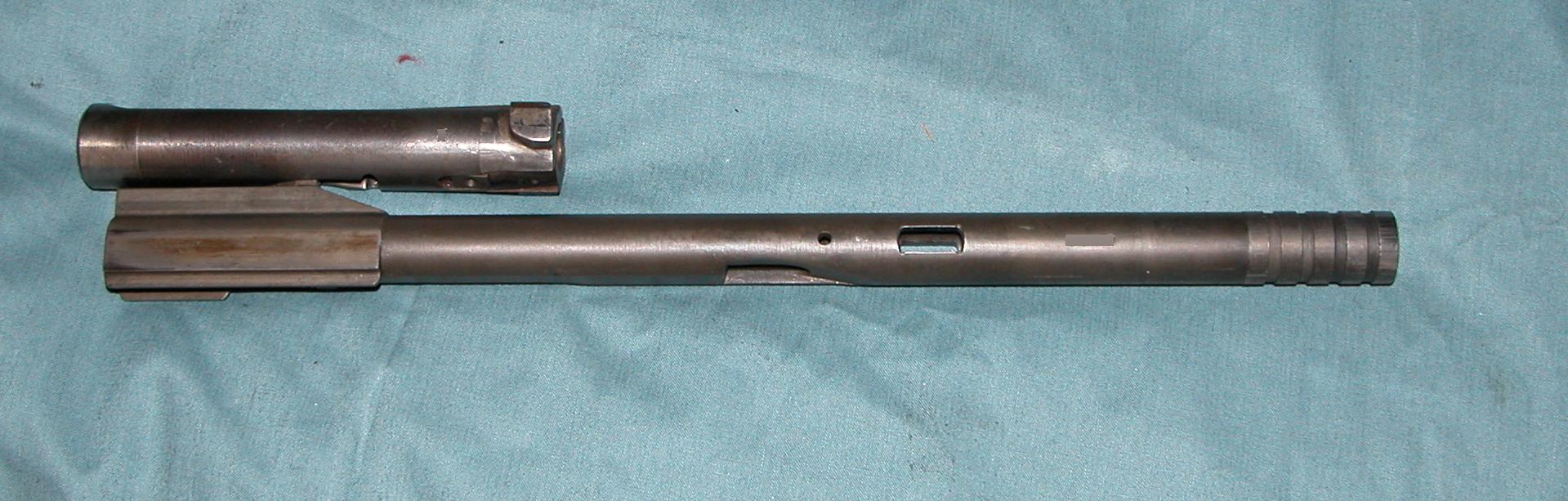
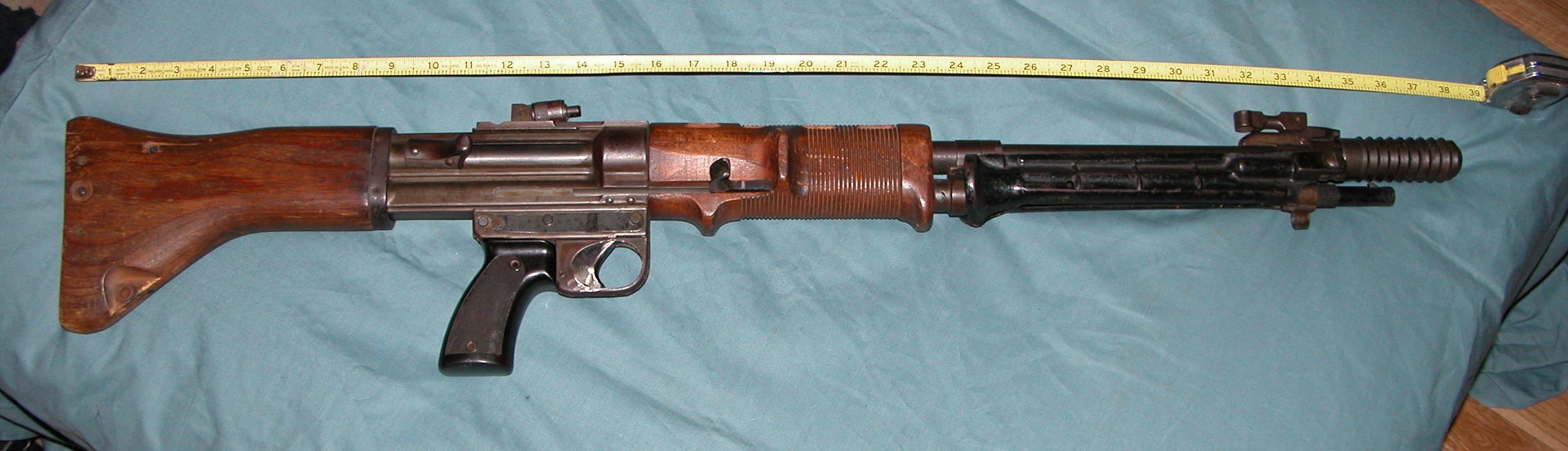
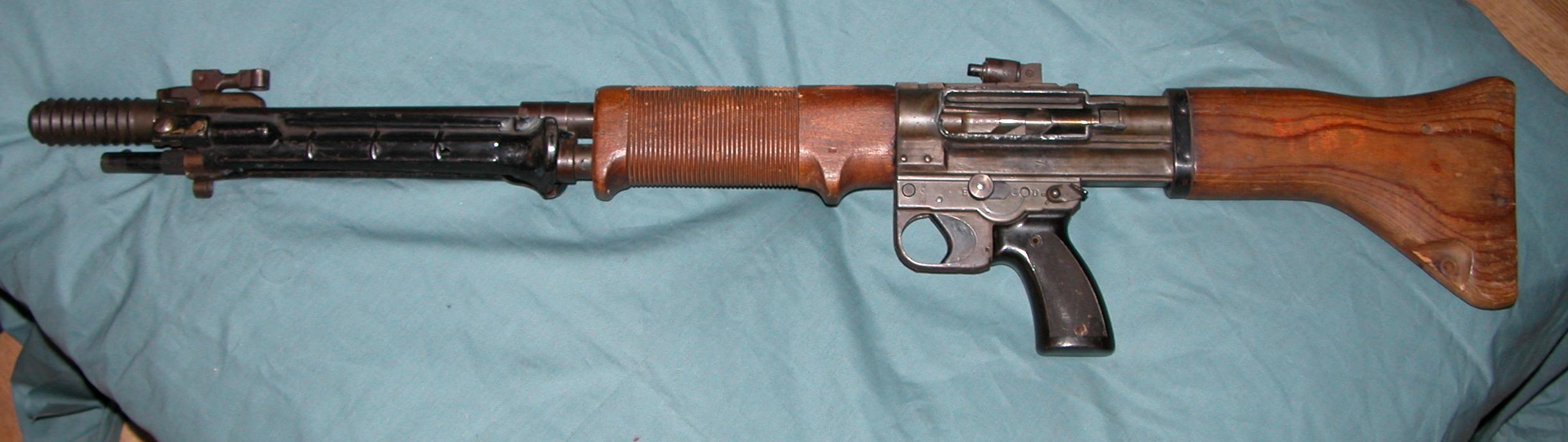
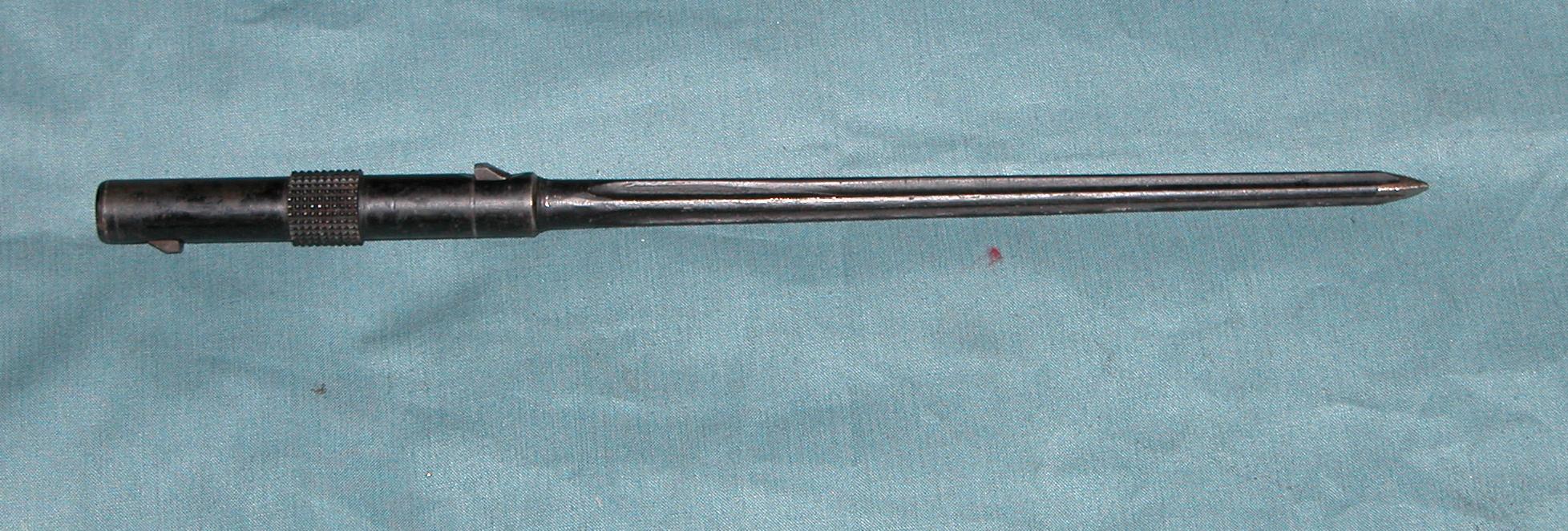
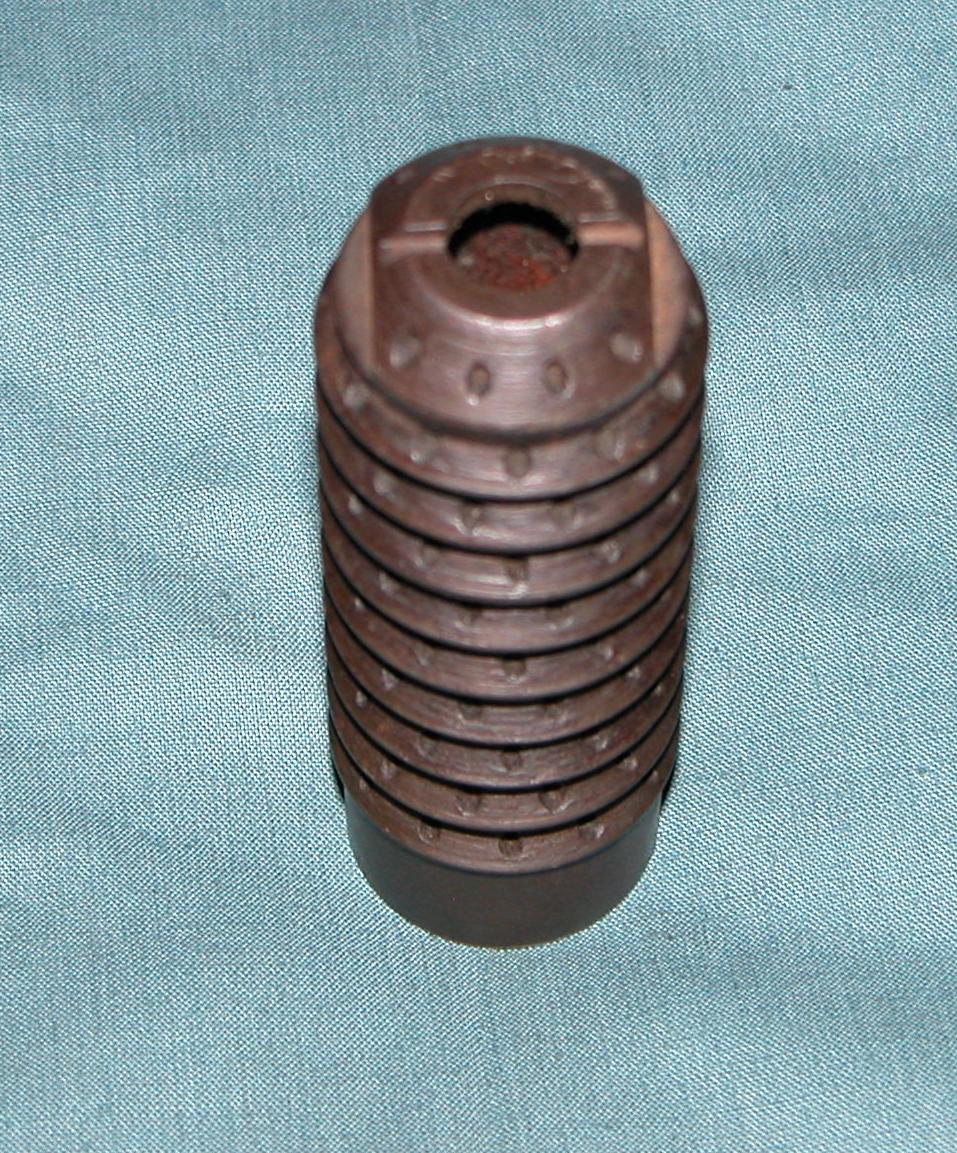
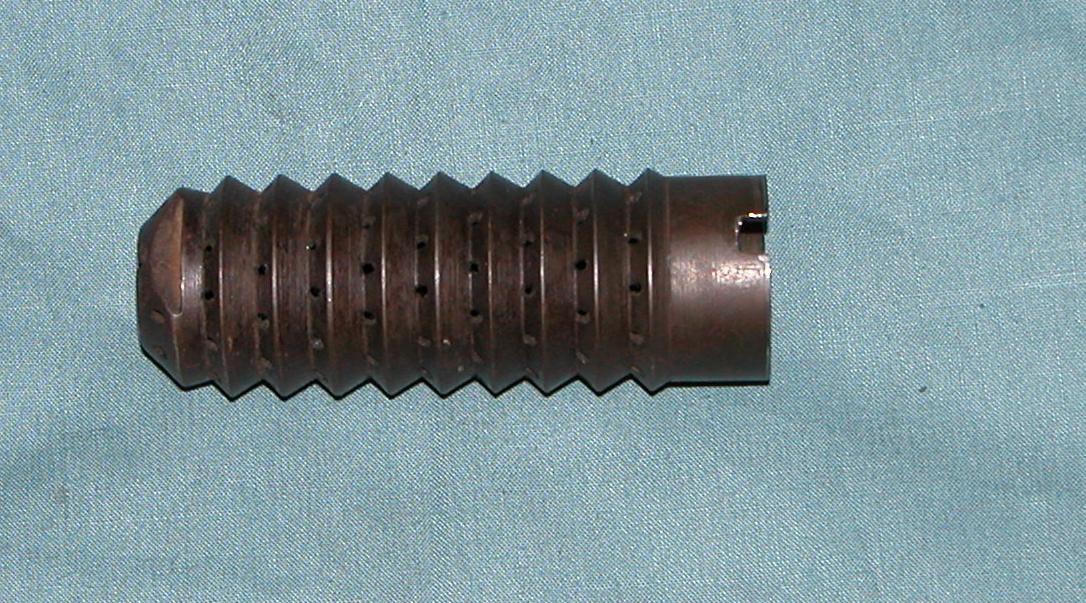
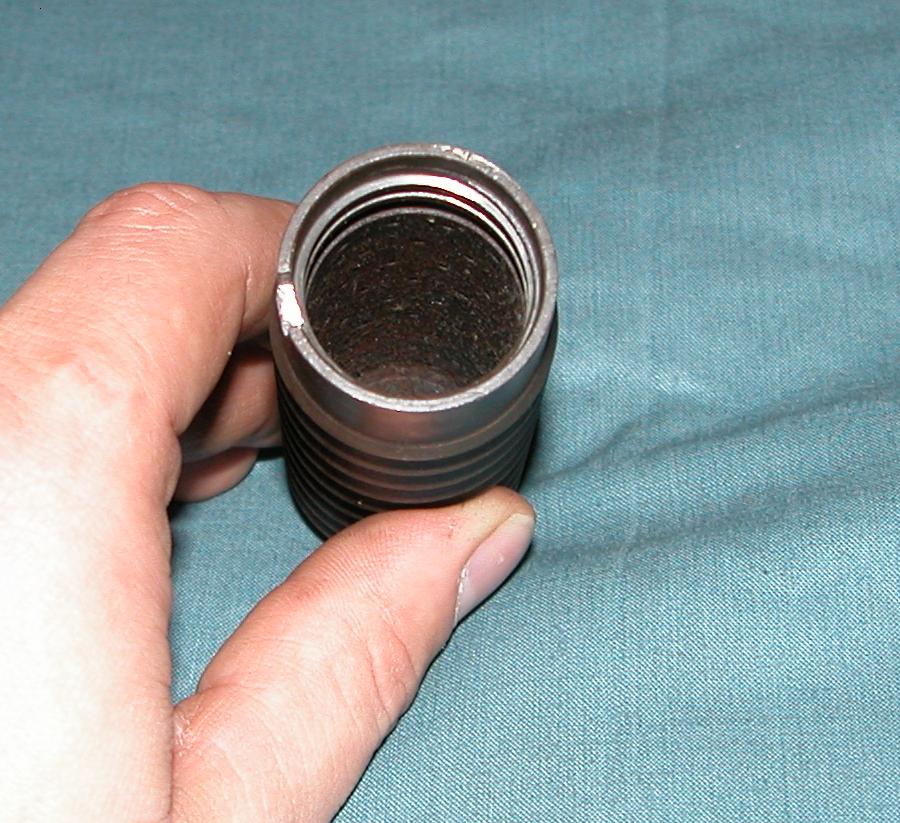
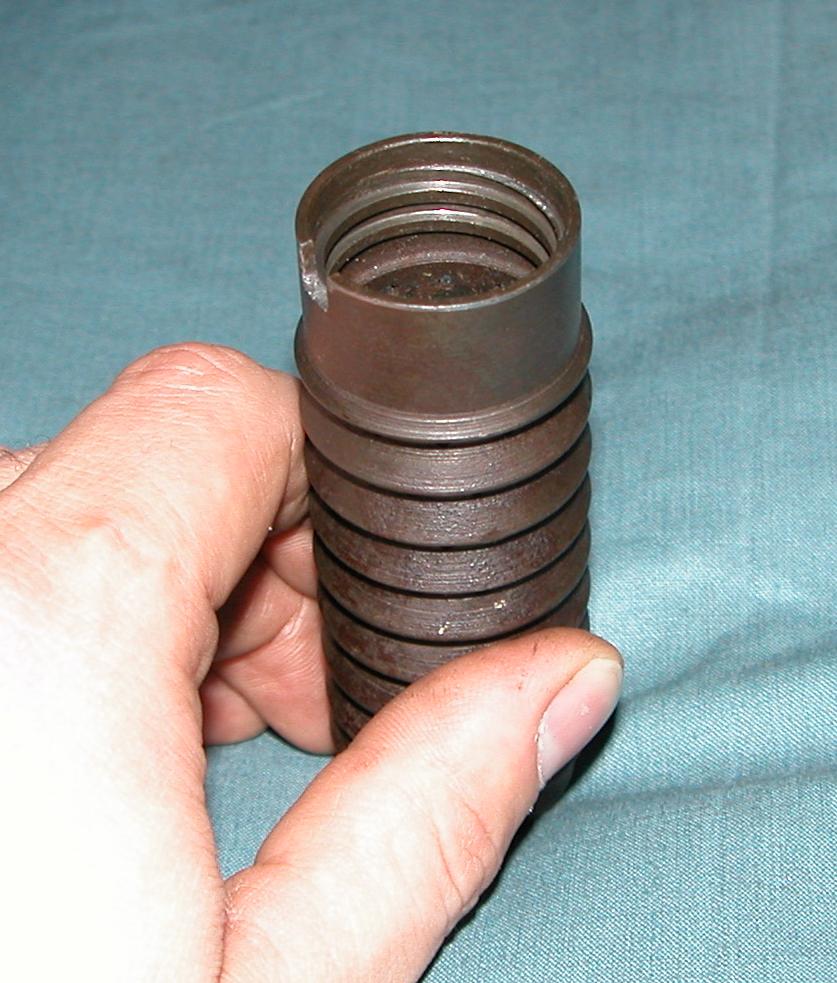
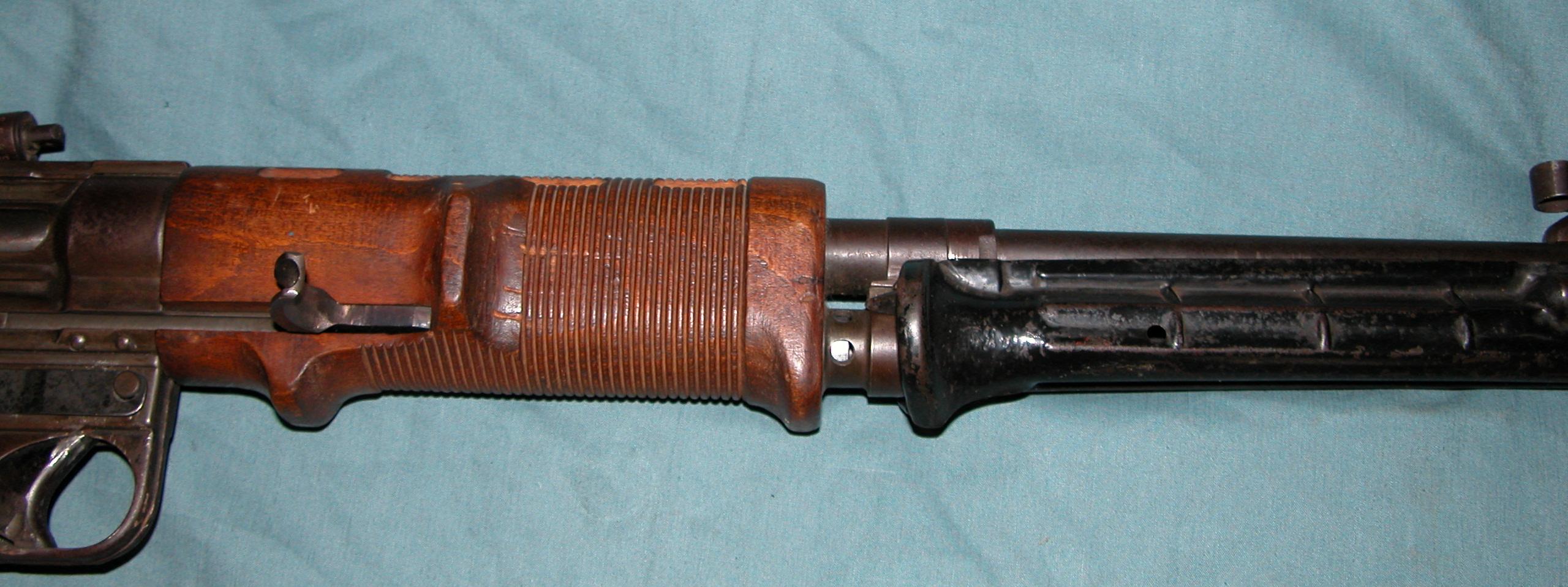
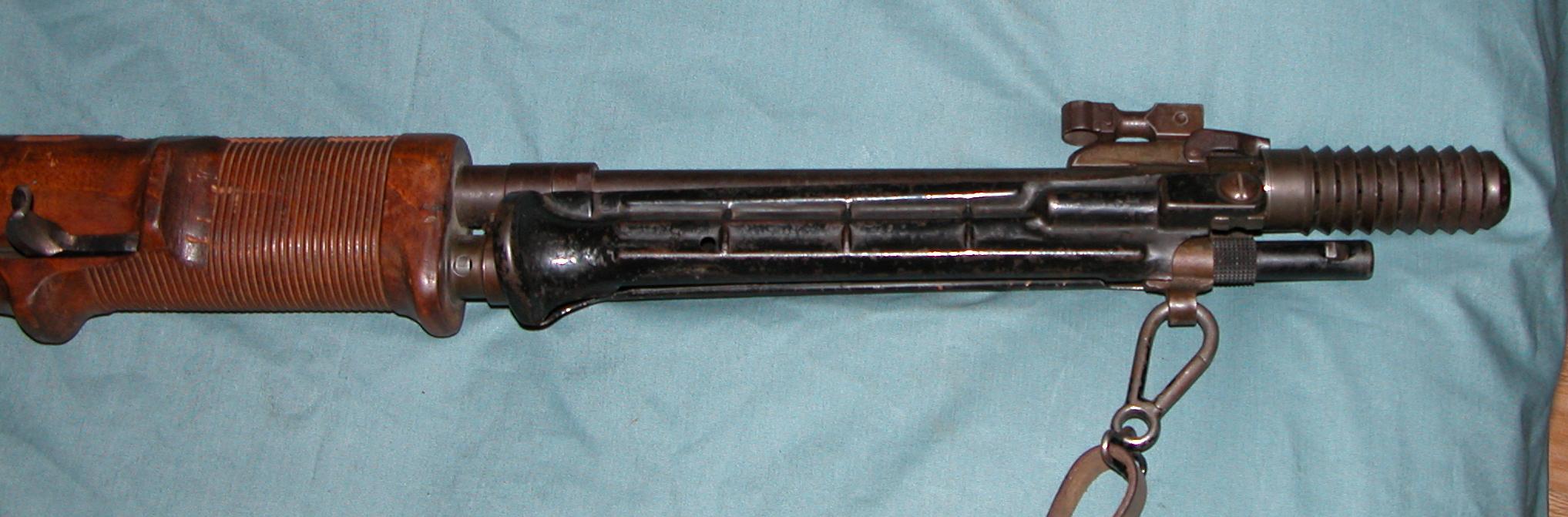
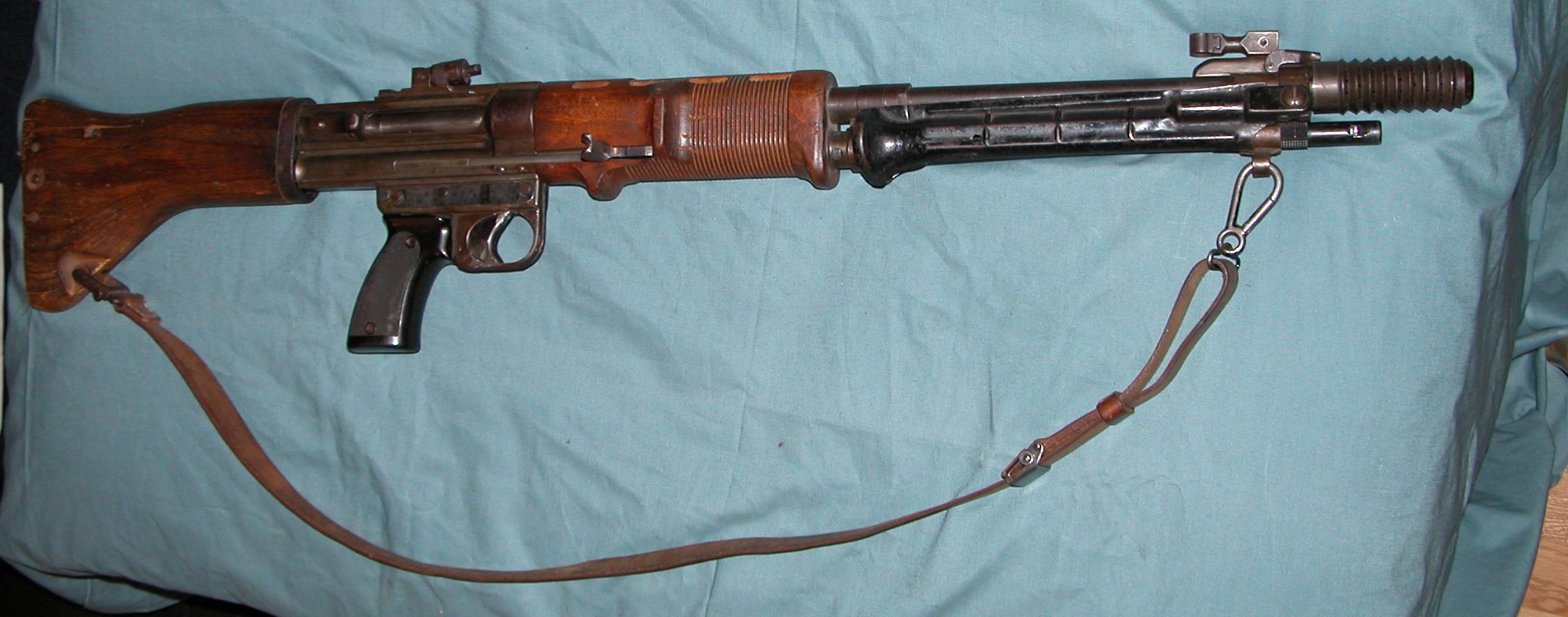
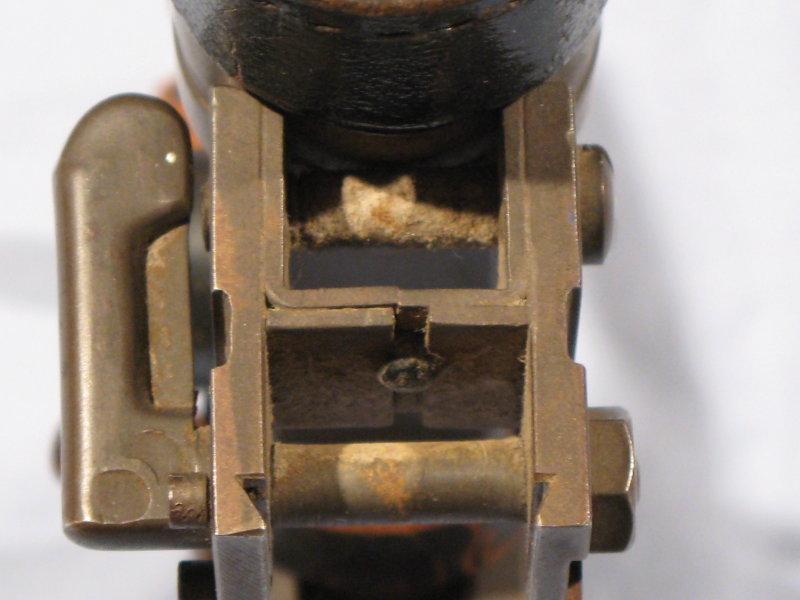
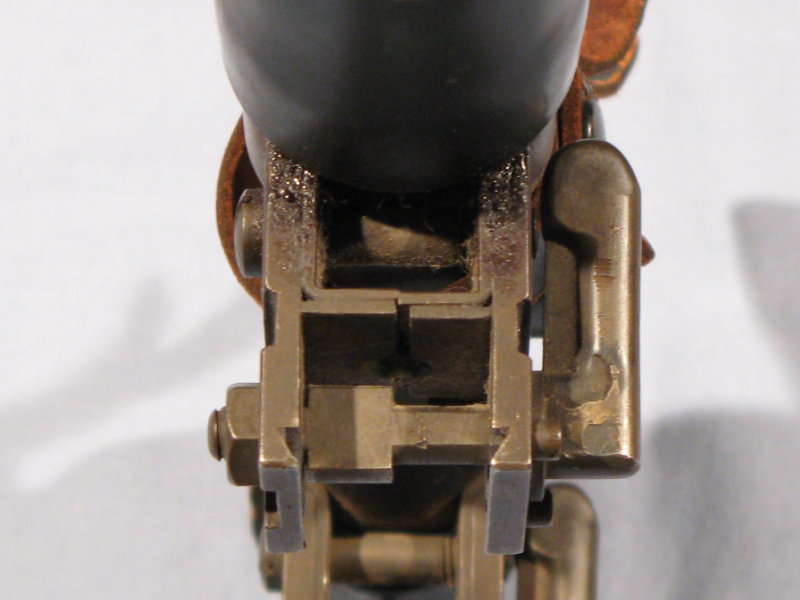
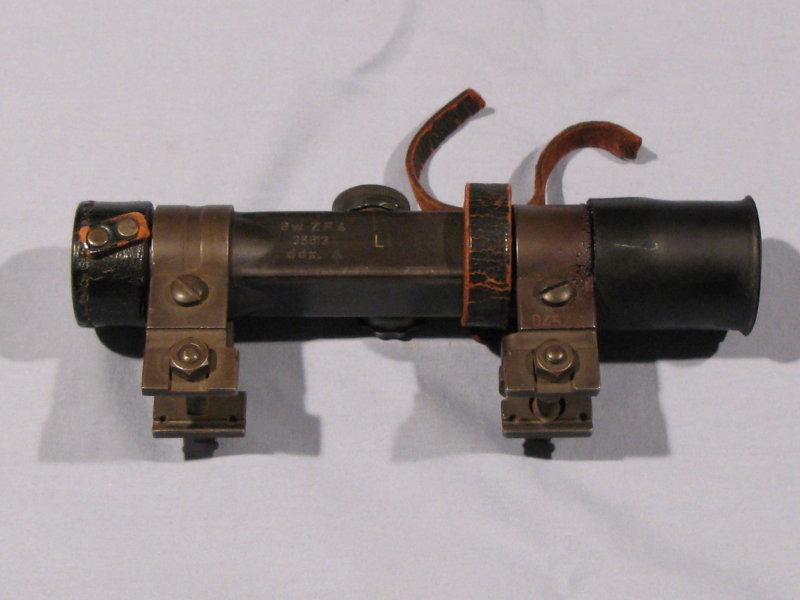
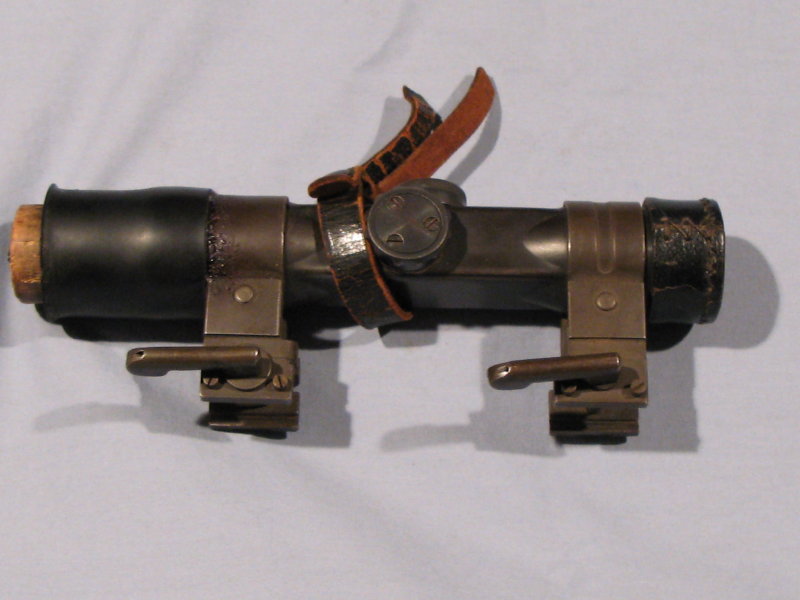
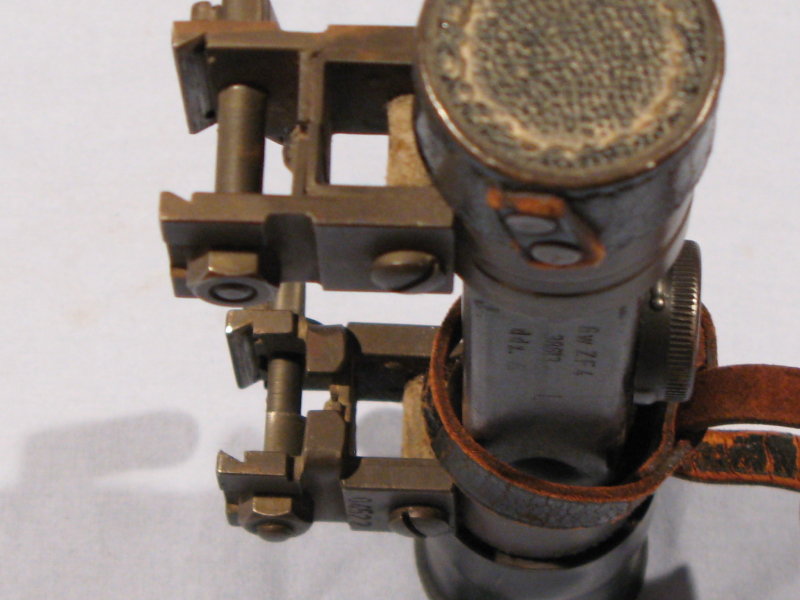
The operating system(bolt and op-rod) looks somewhat reminicent of an M-60 or vice versa.
The fact that the two guns look alike is no accident – the M60 is a direct descendant of the FG42, and not to its advantage. Much of the bemoaned unreliability issues were also seen in the FG42, linked to its overly complex operating system.
Interestingly, the M60 does use an MG42 derived feed tray. This raises the question of why, even if the MG42 didn’t work with a longer cartridge like the .30-06, they didn’t try again with the shorter T65 cartridge. It’s obvious that the Americans saw the advantages of the German gun, and it’s not like Ordnance has been above stealing German designs in the past (seeing as Ordnance lost in cases brought by Mauser and DWM over the M1903 Springfield and the .30-06). So, instead, they opted to build a gun based upon a complex and unreliable weapon. Brilliance!
What is interesting is that the FG-42 borrowed heavily from the still earlier McLean-Lewis designs.
The M-60, a U.S. GPMG borrowed design features from a German FG, which borrowed features from an U.S. designed and likely British or Belgian made LMG.
The “Collector Grade” pubs on the FG42, and the Lewis are excellent reads.
Thought I’d share this. As far as I can tell, these guys (http://www.hza-kulmbach.de/index.php) have made a fully functional reproduction.
Footage of it being fired in various ways.
http://www.youtube.com/watch?v=ISKnl1OnI9Y
There’s a company that builds most WW2 rifles for the civilian market. Might be a gooddun so I thought I’d post the link:
http://hza-kulmbach.de/index.php
Check out http://www.smgguns.com for a US-made, ATF approved semi auto design. They are already making and selling perfect copies in the states, so there’s no need to wait for something much more expensive from overseas with a proven terrible parts/service record (read up on PTR44 troubles if you don’t know what I mean).
Smith Manufacturing Group has a great reputation and is putting out a great product. I bought one and I’m very happy with it.
Craig
FFL/SOT
MP44 collector
Folks should be aware that SMG’s FG-42 rifles are not yet available for commercial sale, despite some examples having been released. We’ve discussed the project with them, and are excited to see the final product – but folks shouldn’t expect to be able to get one shipped out quite yet. It’s a proven design (not vaporware like some things that have been marketed in the gun world), but will still take some time to produce in quantity.
Ouch – that hurt! Actually they are for sale – we are just slow producing them and will try to have one to send here for shooting/testing/evaluation around the end of the year. They are going out slowly to those patiently waiting there number to come up on a waiting list.
Best regards, Rick @smgguns
Whoops – sorry Rick, my mistake.
No problem Ian, without a doubt I am sure I somehow conveyed it wrong – pretty conservative on my projections on these things normally. Just very happy there is a potential interest in it from yourself and some of your viewers! Like I told you on the phone, I would be happy for you to run a LOT of ammo through it and tell me what you think. We like it the more we shoot it!
Rick
Well from what I have seen and read,i believe that Rick & his son Bryan are doing one heck of a job building there FG-42s,Ya its a long wait.But very well worth that wait.These guys are starting out with raw blocks of different grades of steel,All this is “in house” machineing.That my friends is a lot of man hours to build these rifles from scratch.This is not a AK build.Were you can buy all the parts from different venders,And then set about and hammer it together.These men put many hrs. a day just makeing the needed parts so they can make one rifle-This is mostly a two(2) man operation.as far as cutting the metal and finish machine work.Ya! it going to take time before rifles fly off the work bench.It took my wife 9 months to have a baby.Well worth the wait.Same goes for SMG FG-42,They are for sure well worth the wait-Two thumbs up—Frenchy
http://www.gunbroker.com/Auction/ViewItem.aspx?Item=405436476
Kit for SMG’s FG-42 Semi-Automatic Rifle Kit
Description of items in this kit: One FG-42 leather sling (Nartron) (new), eight 8MM Mauser ZB 26/30 magazines (original, used), one MAS36 spike bayonet (original, used but like new), one book by Peter R. Senich “The German Assault Rifle 1935-1945” (new), one Repo ZF4 Scope (new), one scope mount by Estes Adams fitted for SMG’s FG-42 (new), one, leather caps for ZF4 scope’s two eye pieces (new), and one scope carrying case (new). Winner-buyer will send check to seller.
Ian has got the best job in the world, every time he showcases a gun i am SO jealous.
Guys, i would challenge any one of you to name a gun from THAT time period that was COMPLETELY reliable. You can’t. even our beloved garands had issues. Its the forethought put into the gun that makes it so amazing.
I recently fired an FG-42-1 replica made by Dittrich in Germany.
It was a copy of the early model FG-42 with the sharply-swept pistol grip. There were some minor fit-and-finish issues, but most of our feed problems were caused by magazines. Go read my review on http://www.dropzone.com …forums … history and trivia … FG 42 paratrooper rifle
Back in the 1980s the US Navy, at the behest of the USMC, studied a number of existing light “assault” and automatic rifles, the FG42 was one of them. The FG42 was not uncontrollable, if the bipod was used, it was no worse than an M16A1 in full-auto. Its one problem in full automatic fire was barrel heating. The barrel, in order to maintain the light weight required by the specifications, was a very thin profile; perhaps lighter than the KAR 89k. During one test we fired 3 to 5 round bursts at two targets, relaying fire between bursts, after about three magazines (60 rounds in under a minute) the fore grip became noticeably hot.
It is called a Fallschirmjaegergewehr 😉
Has anybody informations about the relation FG-42 to the Solothurn S-100 lMG? They look like twins.
Ian – Why didn’t the US Army just adopt the MG42 after WW2? Maybe slow down the RPM… The M60 was a real DOG… Thanks
They did test it, but failed to make the receiver long enough to fir the .30-06 ammo. This seems like such an obvious thing that one kinda has to assume the test was rigged against the gun. Probably an issue of wanting to support American industry and feed someone R&D money.
Too bad we had to carry this DOG in VN – it never worked well… Thank goodness we have the M240 now – a MG that actually works! Thanks
rabeprazole and domperidone tab chinakari39-domperidone frozen hans and kristoff
what can help me stop smoking. champix.medinfoblog.com – where does sildenafil citrate come from,
generic for ciprofloxacin hcl dosing instructions for ciprofloxacin ciprofloxacin and urine drug test – side effects of ciprofloxacin 250 mg, ciprofloxacin hexal 750 mg, prednisone uti in dogs amoxicillin rash treatment prednisone prednisone.medinfoblog.com – prednisone for dog neck pain can prednisone cause kidney stones,
Unquestionably believe that which you stated.
Your favorite reason appeared to be at the internet the easiest thing to have in mind of.
I say to you, I definitely get annoyed while other folks consider concerns that they
plainly do not recognize about. You managed to hit the nail upon the highest and also outlined out the
whole thing without having side effect ,
people can take a signal. Will probably be again to
get more. Thank you
When the Infantry Board demanded a “light” rifle with a full power cartridge, selective fire, a bipod, a grenade launcher, a bayonet and sling that weighed less than the Garand, someone should have showed them the FG42. Users always ask for the impossible (just look at some of the requirements for sub and DD design during and just after WW2). It didn’t help that between Ordnance and Springfield, any other rifle not designed by them got rejected, mainly with the excuse that the rifle had to have maximum compatibility the M1 production line. As it was, not only didn’t the M14 meet the specs, it couldn’t be produced by the M1 machine tools. They threw Garand’s T31 design right out the window for just being too “different”. Harvey’s T25 was modified with a “straight line” stock and a decent muzzle brake along with an immensely strong receiver/action. It got rejected for not using the M1 machine tools. Instead Harvey designed it to be produced on any general set of commercial tooling under the impression that a nuclear war would eliminate most of the military specific production infrastructure. The Infantry Board liked the T48 (FAL), but it and the T25 failed the cold environment tests, mainly because of a batch of “bad” ammo, which somehow did not get used by the T44(M14). The AR-10, unfortunately was late and the titanium/fiberglass barrel blew out, though Armalite always claimed that the Springfield testers used an over-loaded cartridge to exceed safe chamber pressures. In the end, McNamara shut them down when the Berlin Crisis went down and the US Army’s Berlin Brigade was still using M1 Garands. In fact, the Army Reserve and National Guard were still using WW2 small arms in the early ’70s. The issue of the M16 w/o cleaning kits and manuals was criminal misconduct or negligence, though DoD was partly at fault. A big reason for all this trouble is the USMC and Army “gravel” belly target shooters and the conservatism of much of the Army leadership simply refusing to accept the outcome of studies like those of SLA Marshal or SALVO I&II. The ops analysis came out along the lines of the German studies that produced the MP42/StG44. Most (95%) of all infantry combat occurs inside 500m (SGT York’s most distant target was 150m). Targets don’t stand there like paper bullseyes, they are fleeting or under cover & concealment. Draftees/conscripts don’t get the dedicated marksmanship training and couldn’t find and engage targets at 350m, much less a 1000 or hit them when they did. So why build an over-powered, over-weight, long rifle and teach Soldiers to shoot at bullseyes at 1,000m. SALVO recommended a small bore (.22), high velocity (over 1,000 mps), selective fire rifle with simple sights which would be light weight, enable shooters to engage fleeting targets with multiple projectiles, maintain supersonic speed out to 500 meters, which with the minimum spin for stability that would dump energy into the target and tumble, instead of stable rounds doing “through and through” wounds and a “flat” ballistic path that would allow center of mass sighting with confidence the bullets would hit the target from 0 to 500m. That was the M16. So what did the Army do. They did get more realistic training with the “pop-up” target ranges, but what we (BCT at Ft. Knox, Nov 75) were trained to do was use aimed single shots at the targets, something the OPAN/SALVO showed was ineffective, instead of controlled auto bursts. The they took the perfectly good combat rifle the M16A1 had become and turned it into the target shooter M16A2, like anybody cares if you can penetrate an M1 helmet at 800m, when most of us can’t see a helmet at that range, much less hit it. Or use a sling supported shooting position in combat to justify a heavier barrel. What the M16A2 should have been was a 1:9 twist, a heavy barrel to better absorb heat, keep the mirror image hand guards, keep the simple combat sights from the M16A1 (the Canadians did this in the C7), chrome the bolt or at least the bolt face and gas port, straighten the gas tube, use safe, 3 rd and auto and keep the different length stocks. We weren’t facing any enemies w/body armor in the 1980s, so why did we need the M855? It could have been introduced when the Russians and Chinese began adopting effective infantry armor. Until then the M193 was a more effective combat cartridge. And as far as insurgents outranging our people in Iraq and Afghanistan, that was because instead of putting enough people in country to support and sustain platoon ops w/GPMGs and SMAWs or M136s available, we tried to do it on the cheap and squads had to sub for platoons.