The Madsen was the first successful light machine gun, entering production in 1902. It saw much use, but was an unusual design – basically a fully automatic falling block action. It used a top mounted magazine offset to the left side of the receiver, allowing the sights to remain on the centerline of the gun. The Madsen was available in a wide variety of calibers, configurations, and barrel lengths.
Videos
History and operation:
Running a semiauto Madsen LMG in a 2-gun action match:
Manuals (English)
Madsen Machine Rifle Main Characteristics & Tactical Use (English)
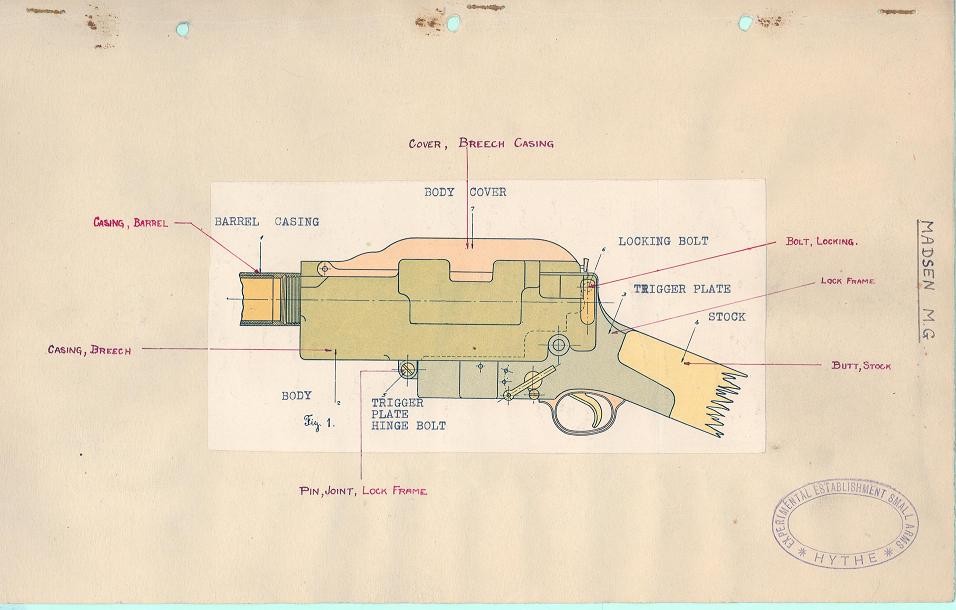
Madsen Nomenclature (multiple languages)
Madsen 1904/1912 comparison (English)
Description of the Madsen Model 1940 (English)
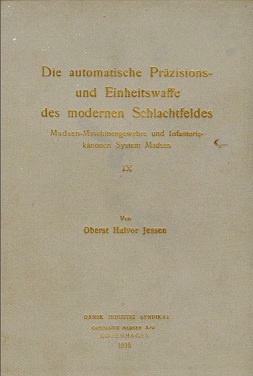
Manuals (German)
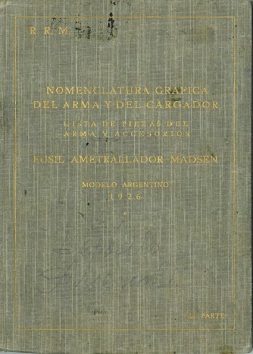
Manuals (Spanish)
Photos
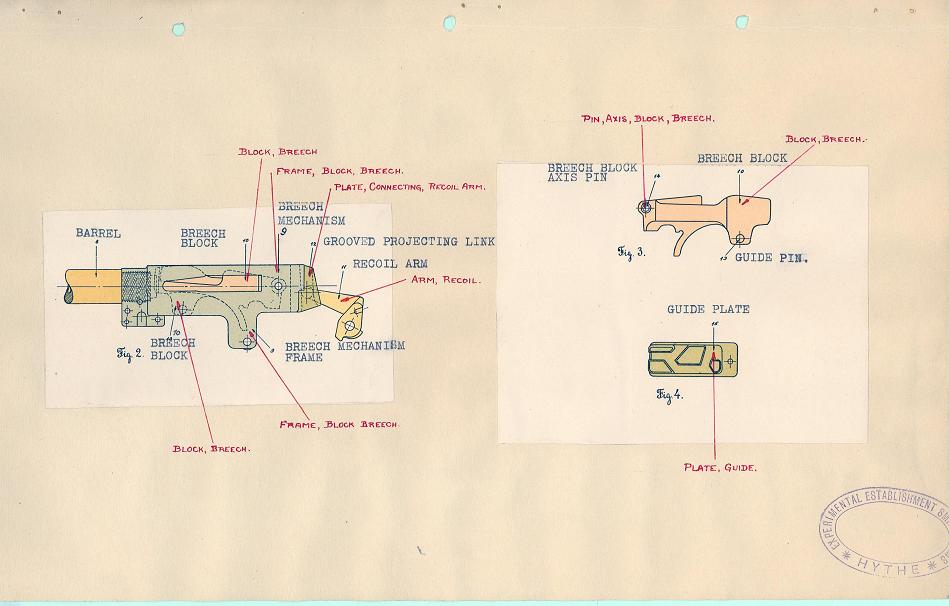
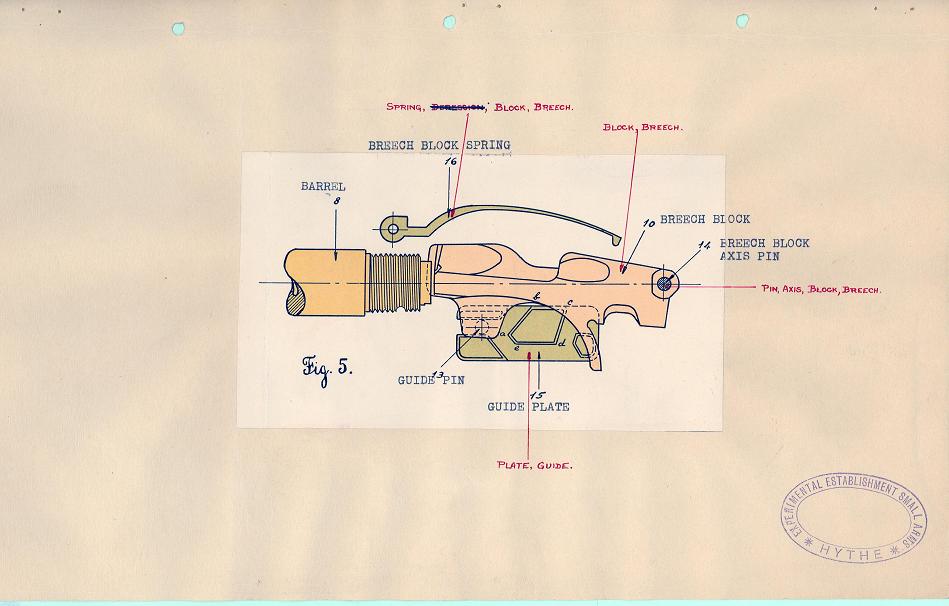
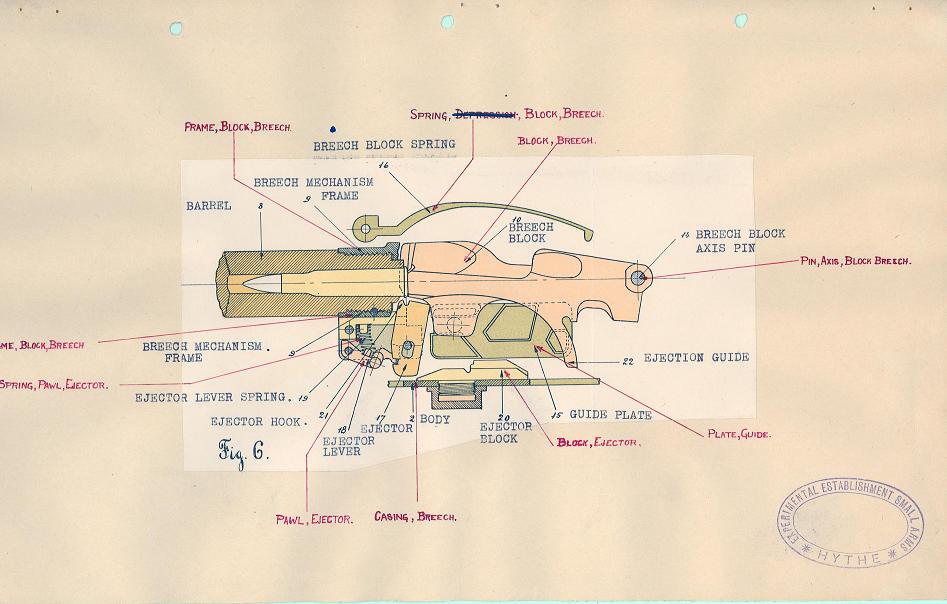
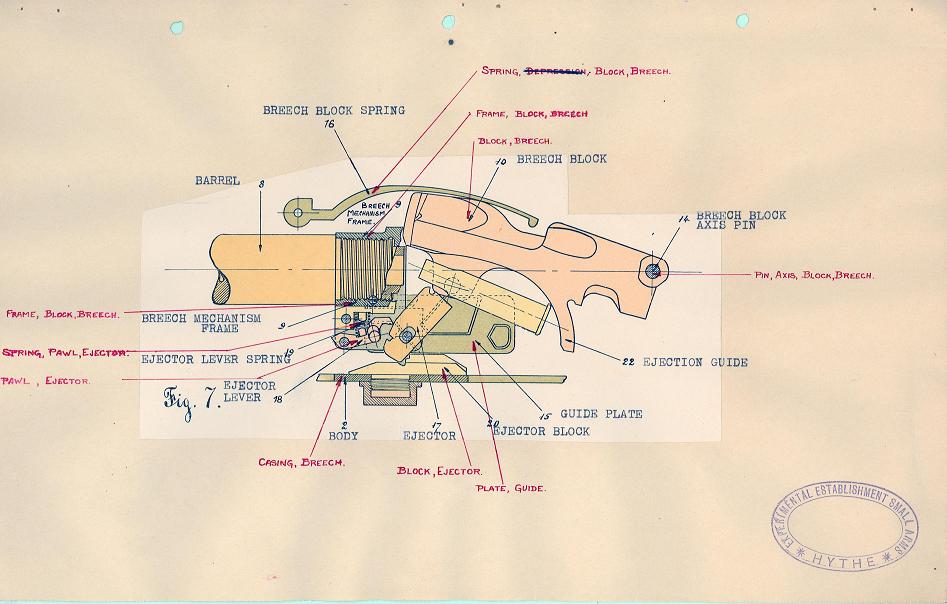
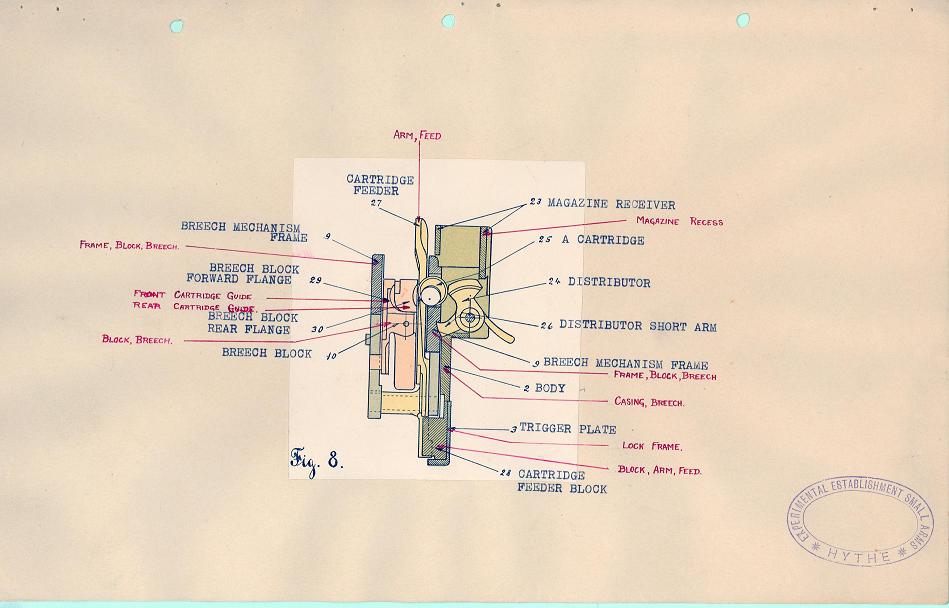
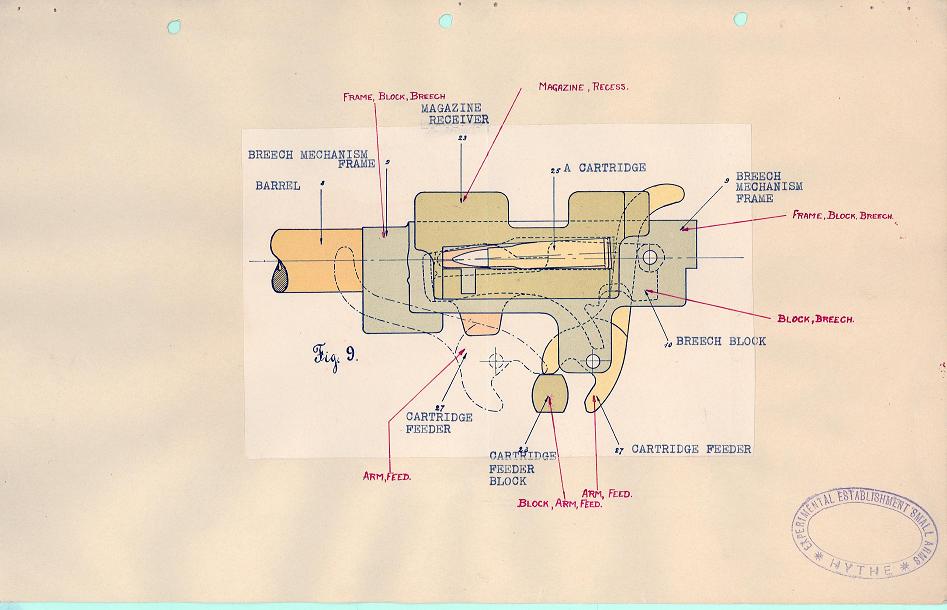
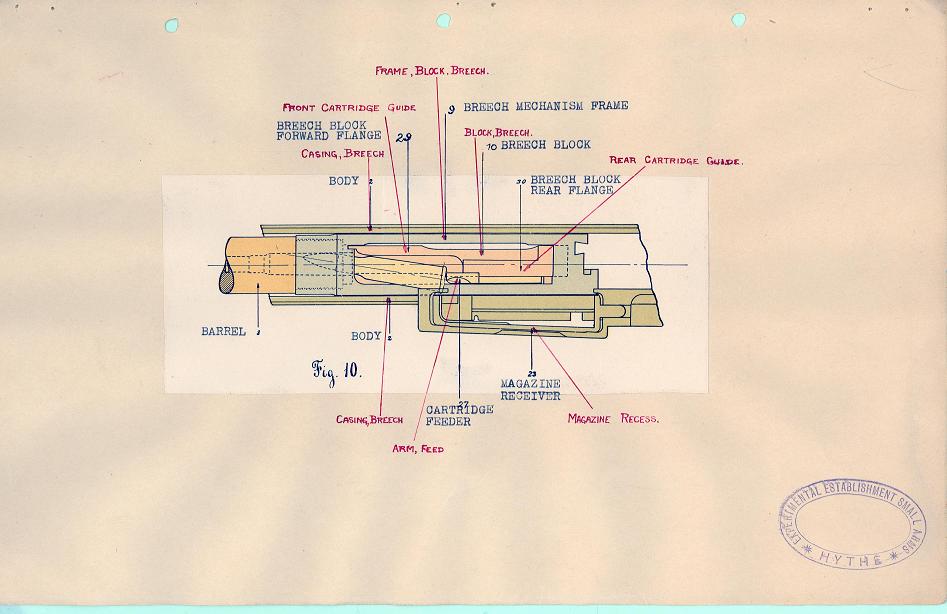
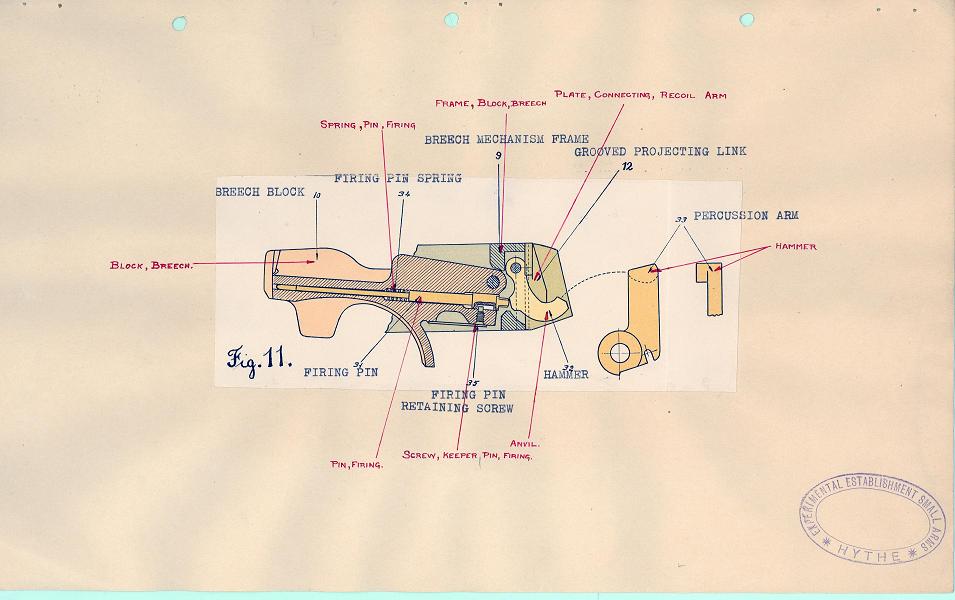
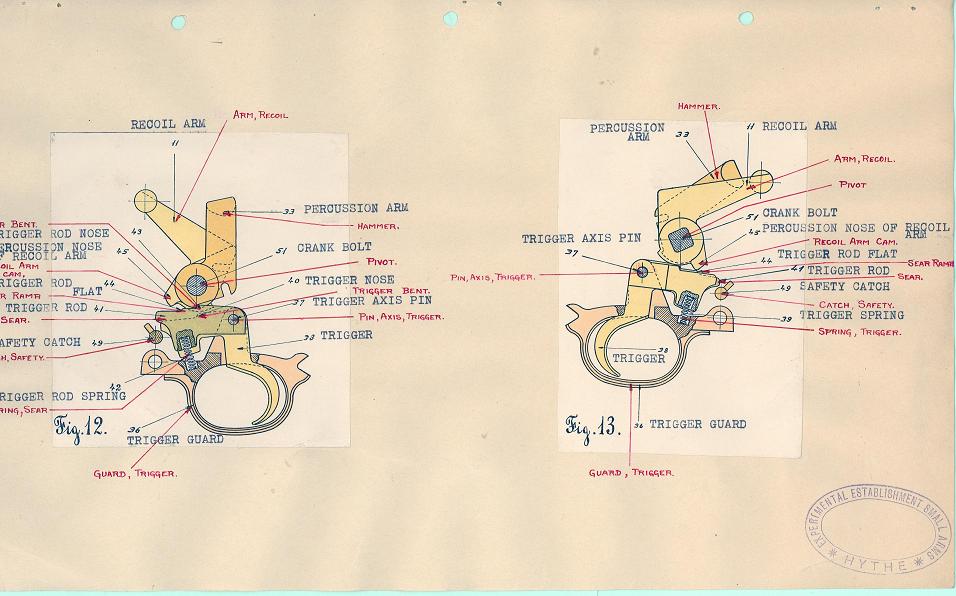
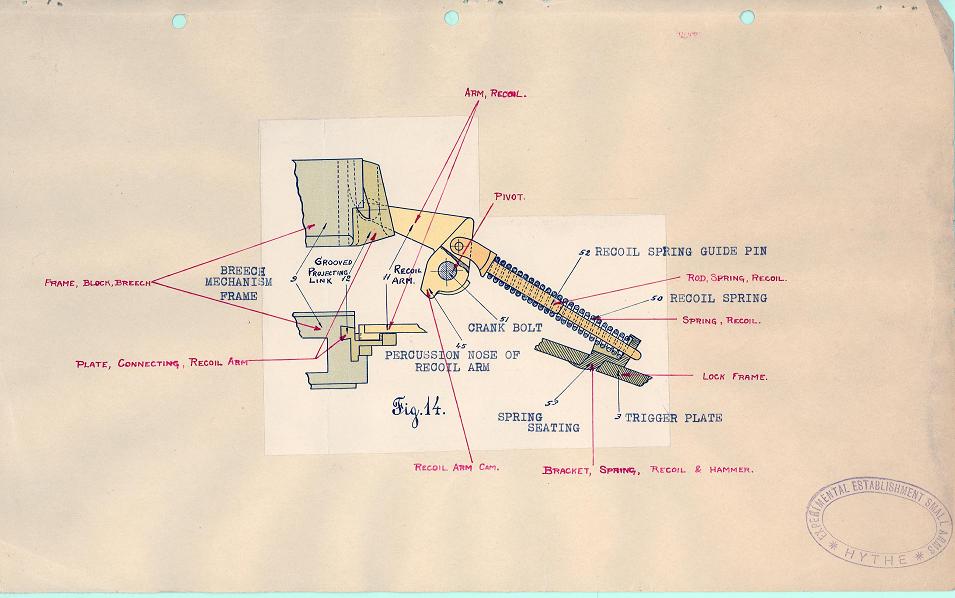
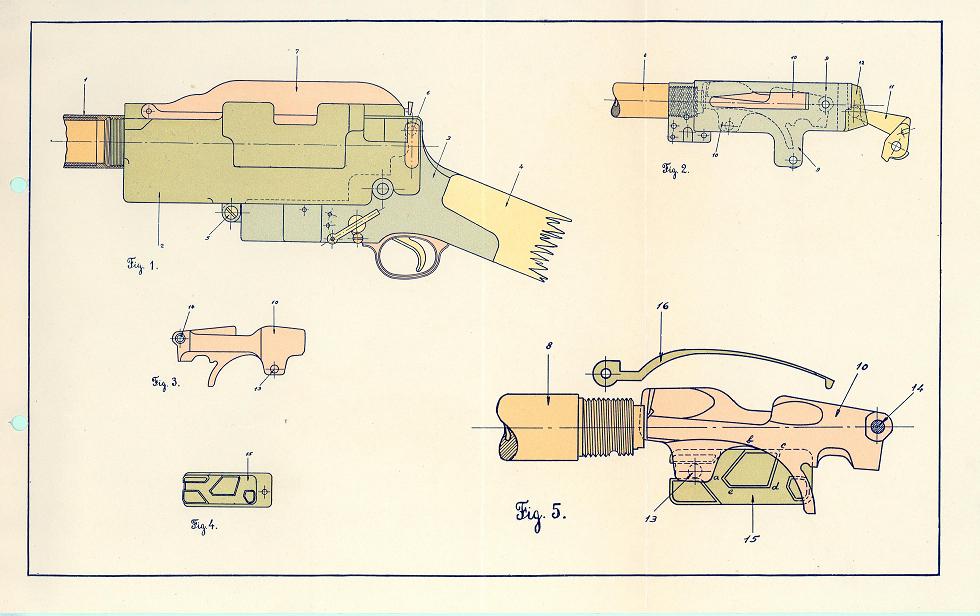

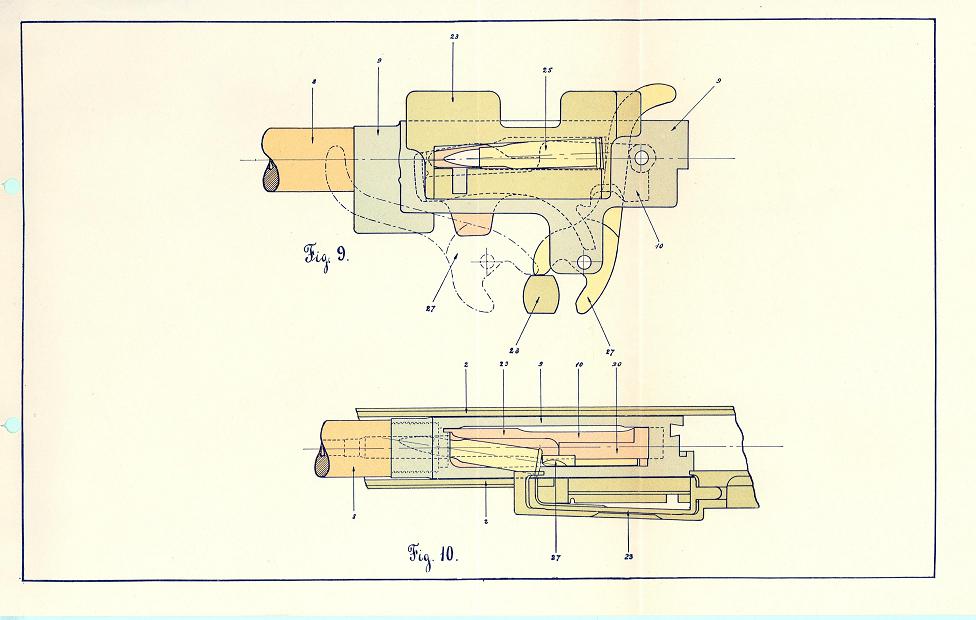
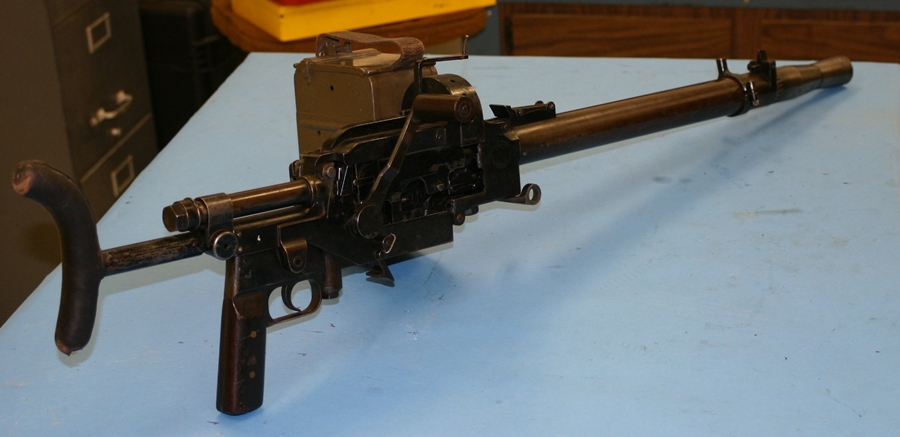
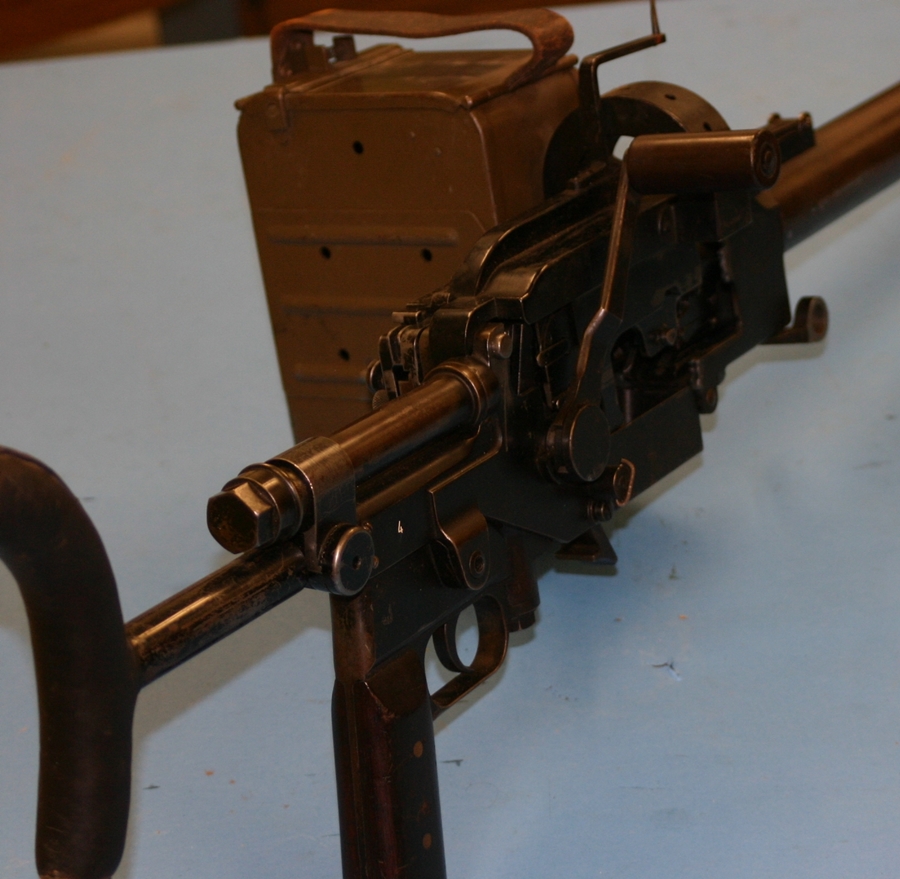
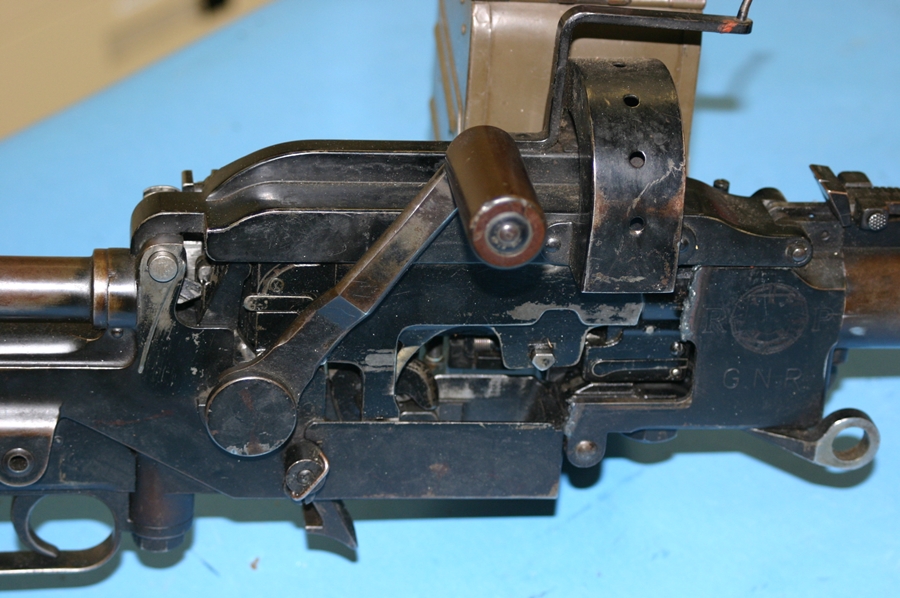
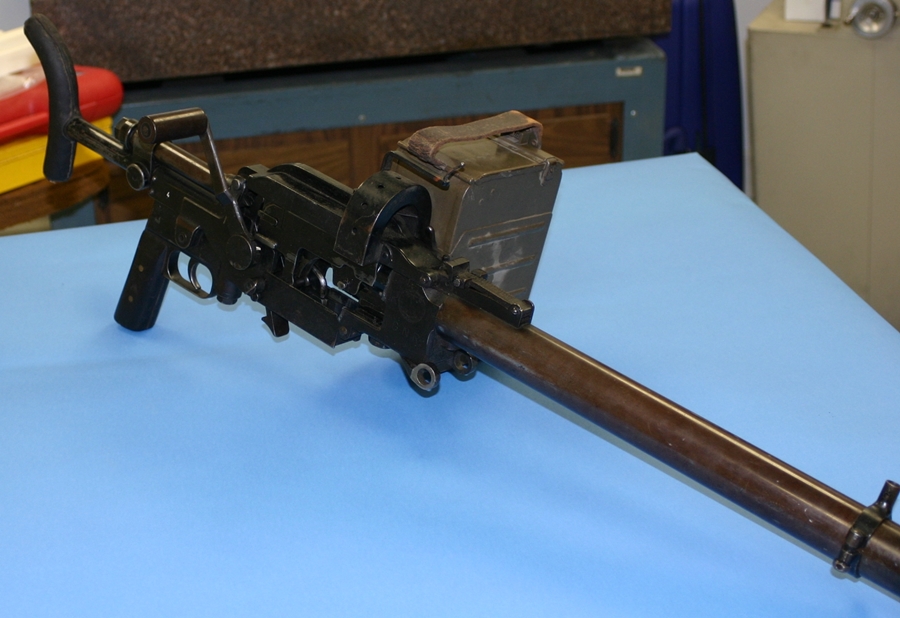
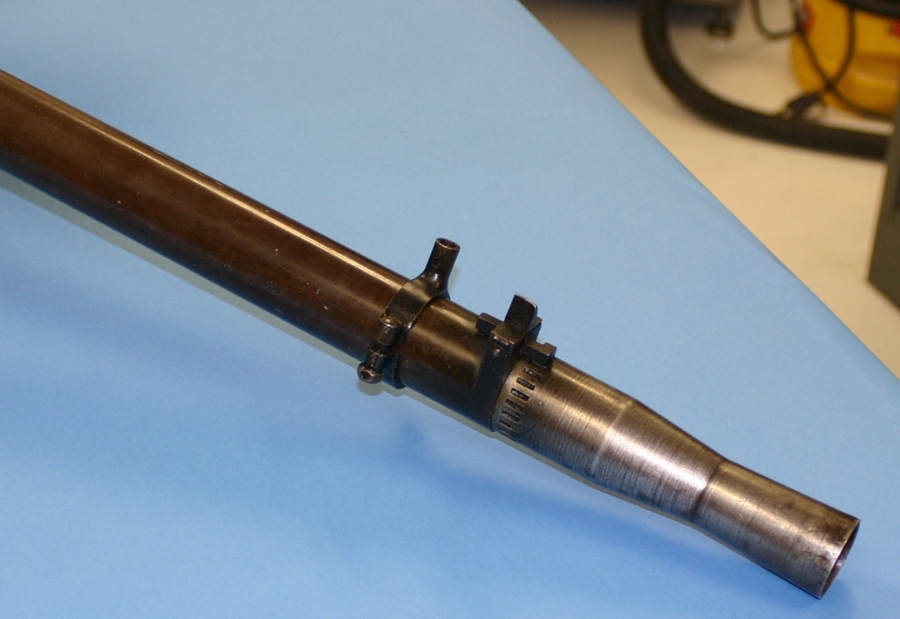
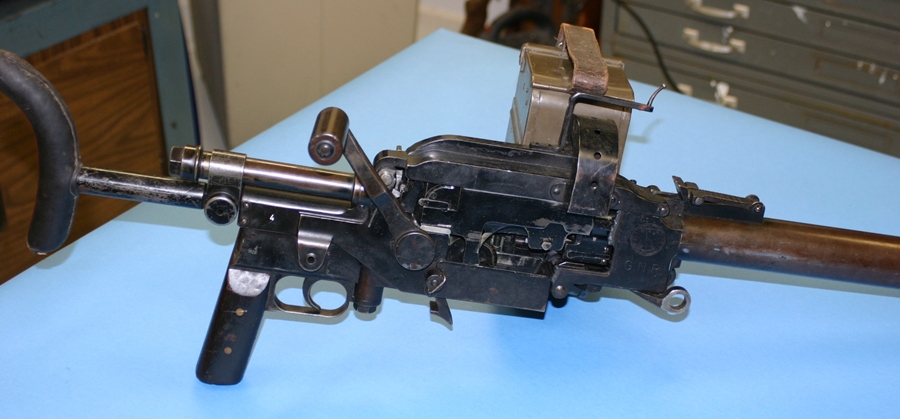
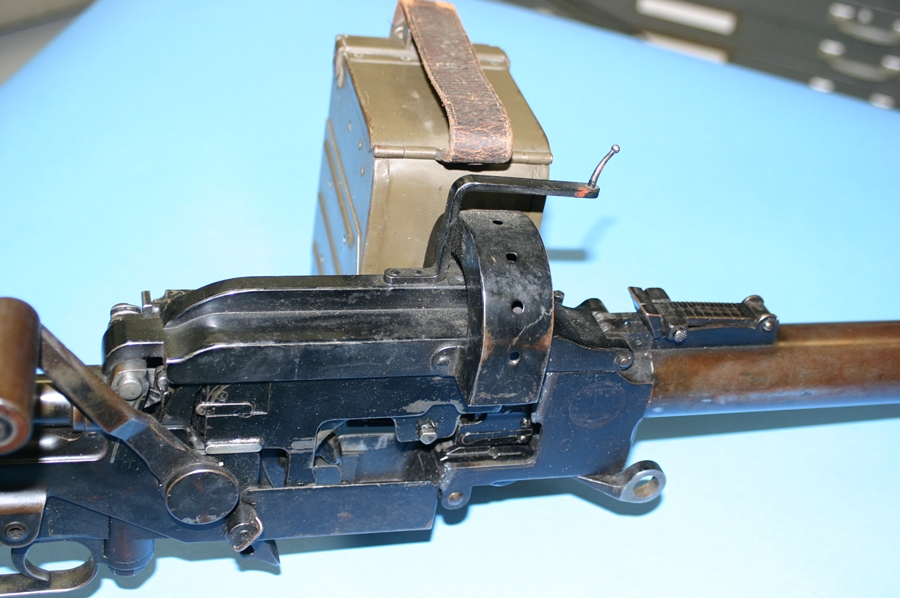
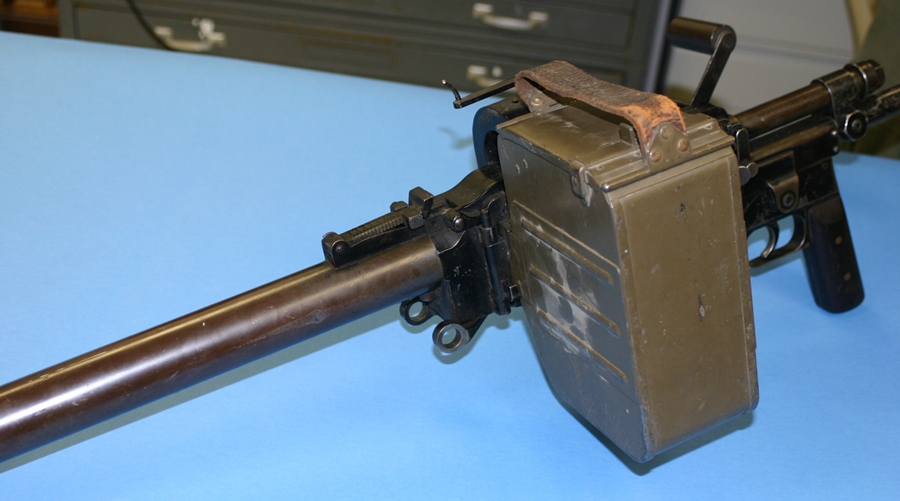
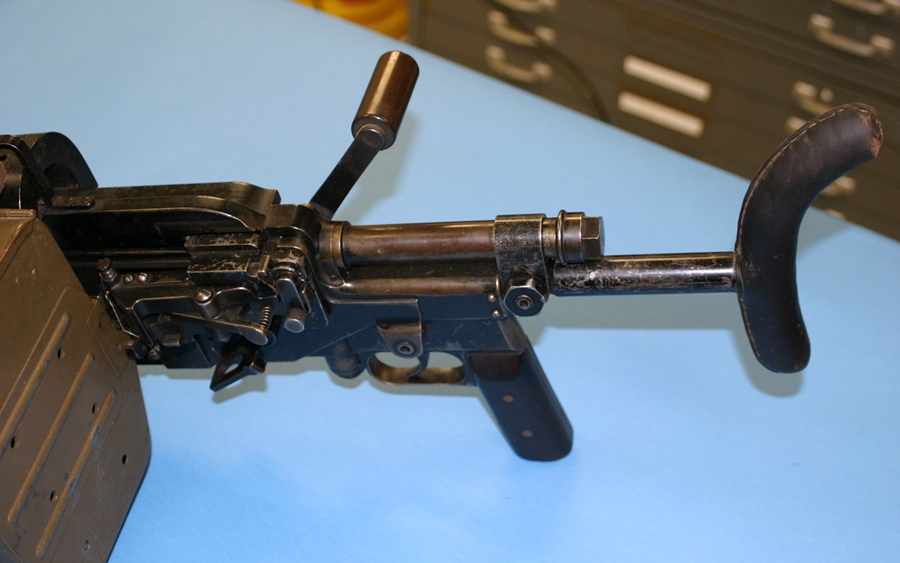
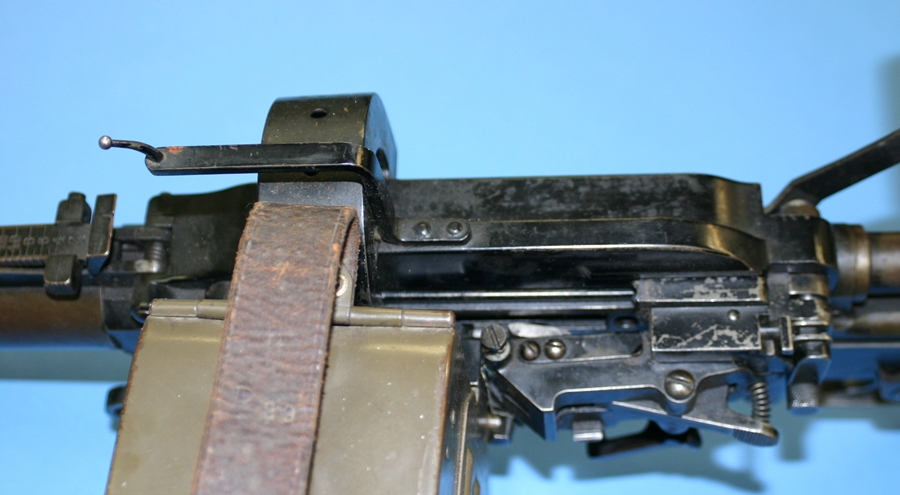
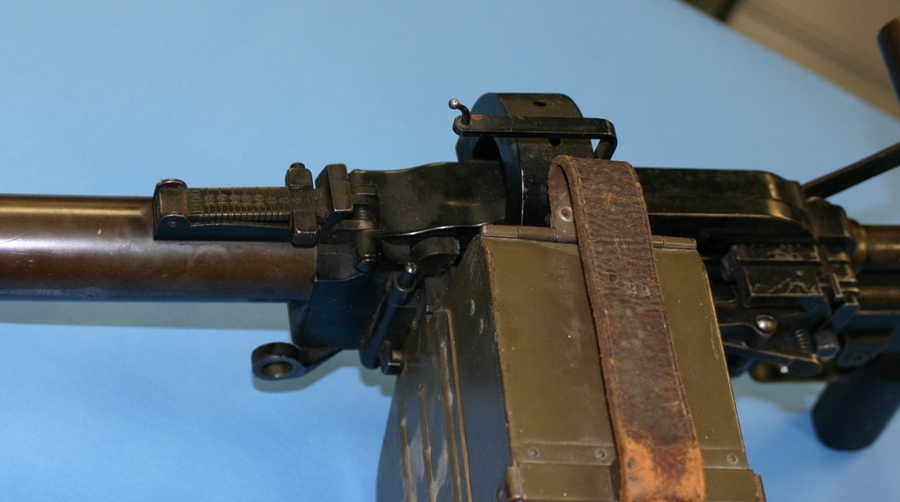
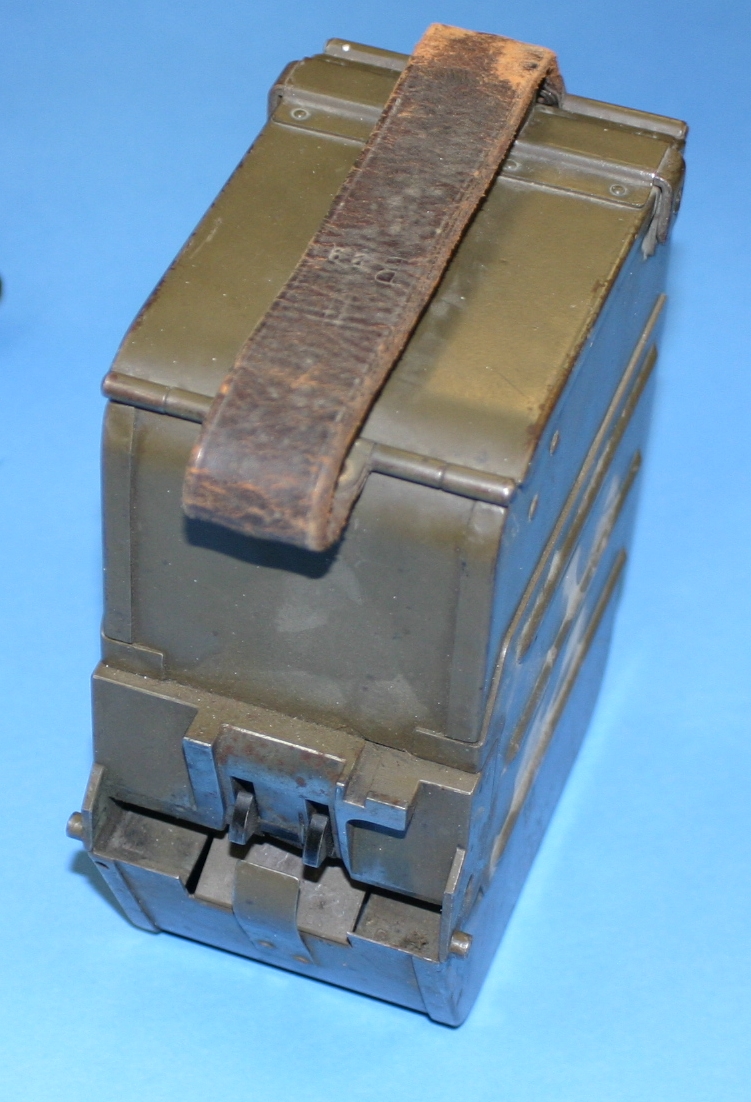
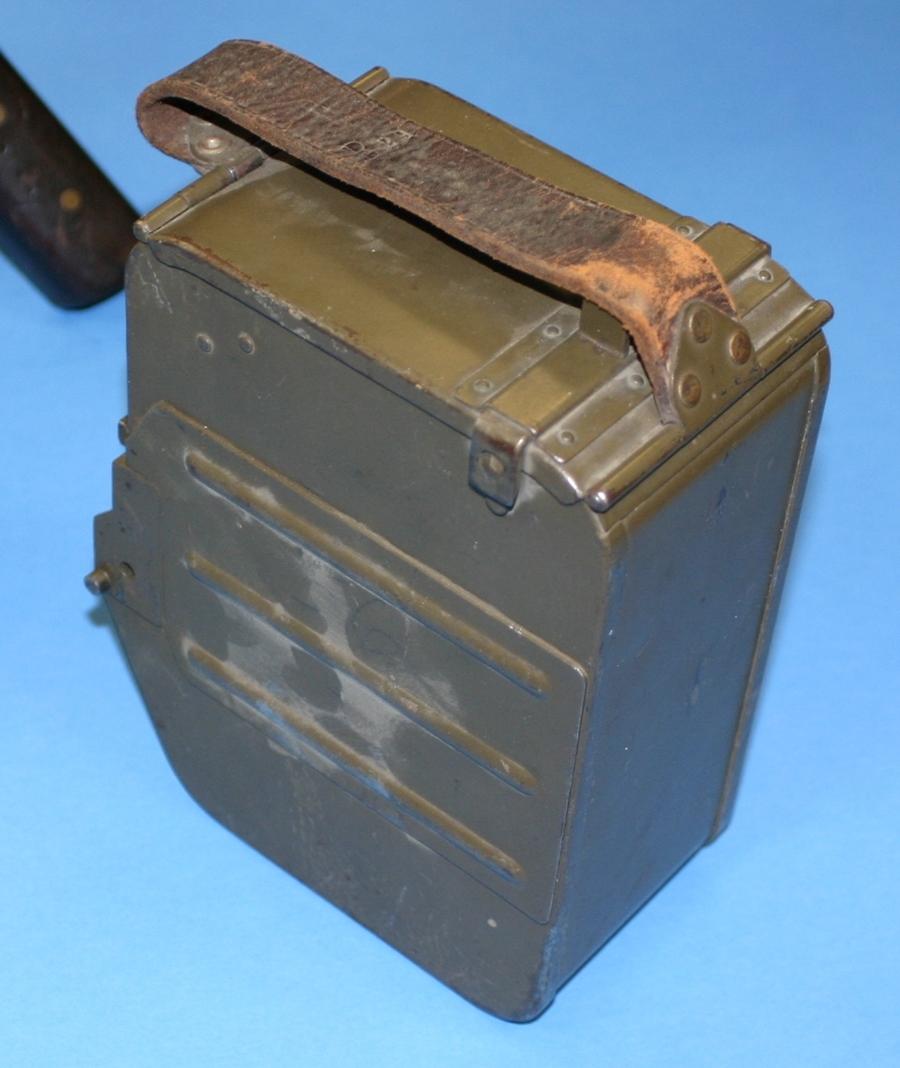
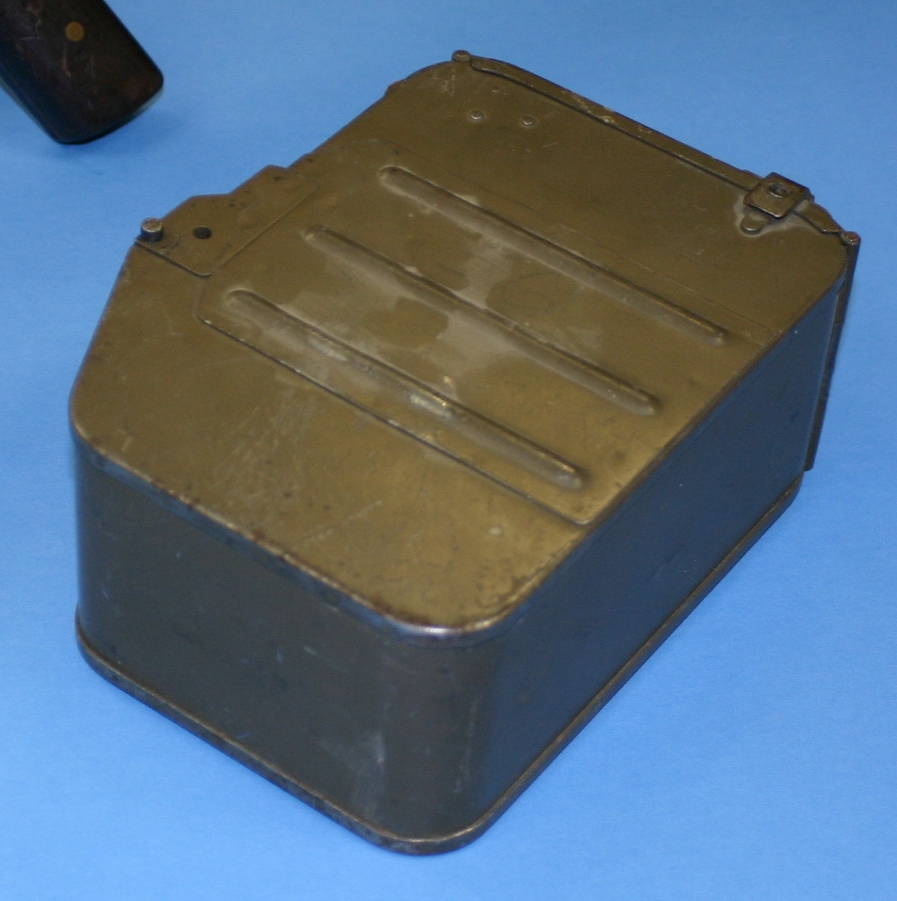
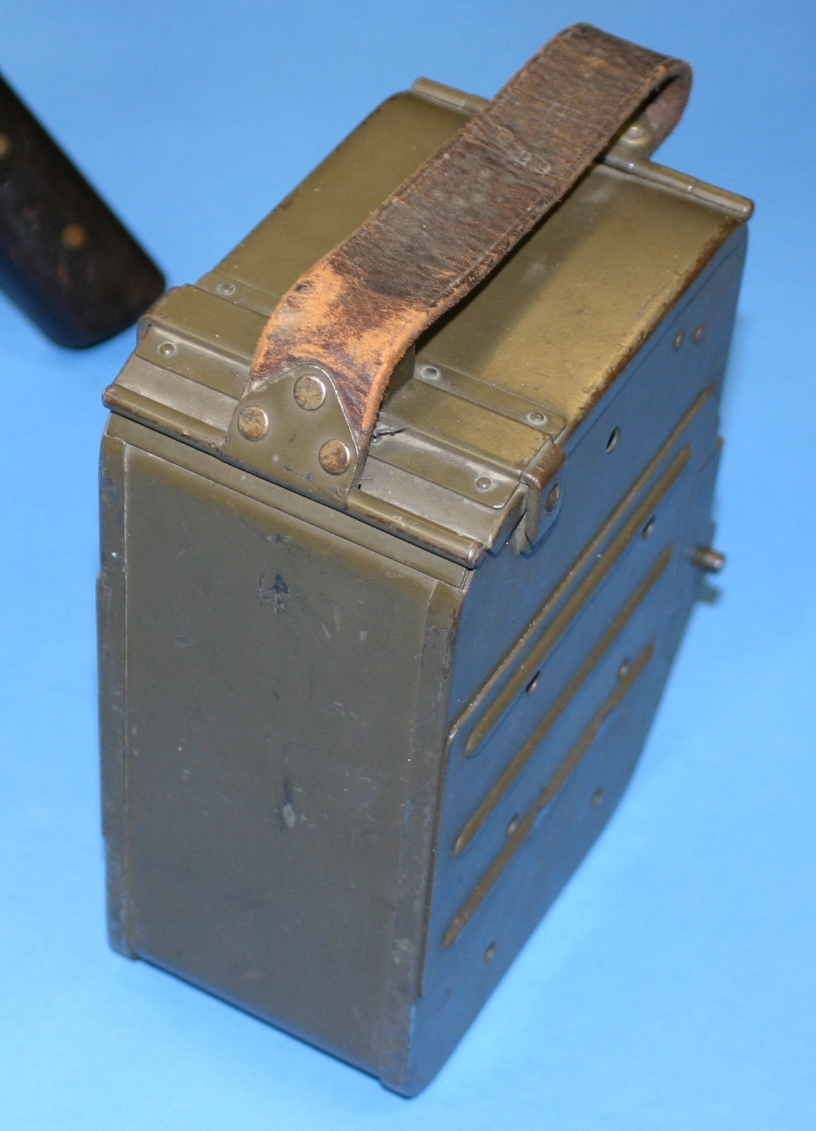
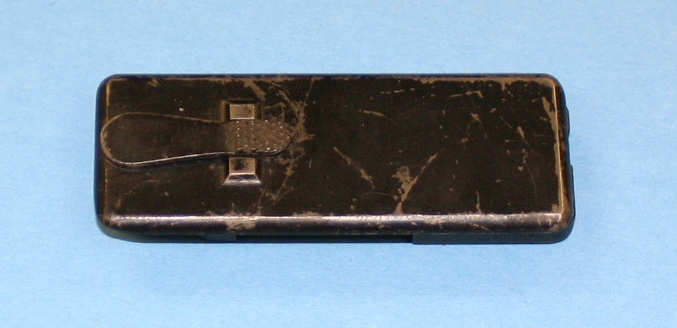
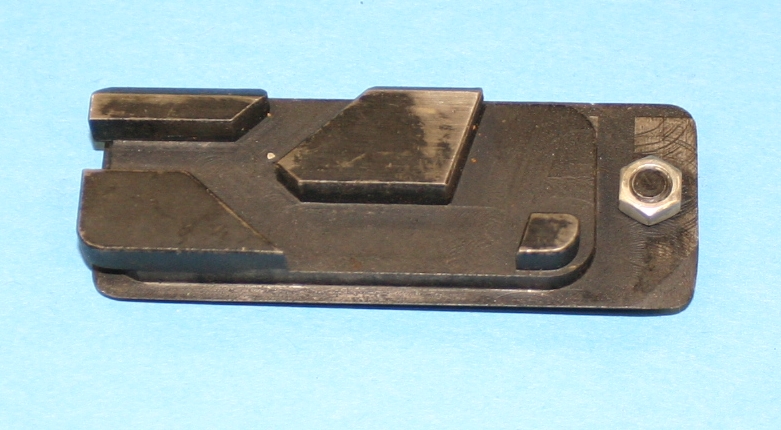
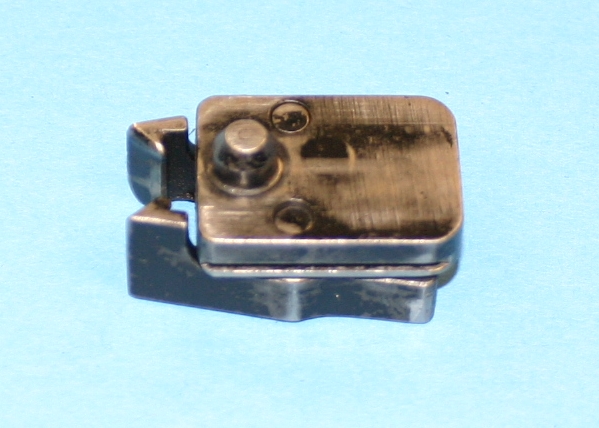
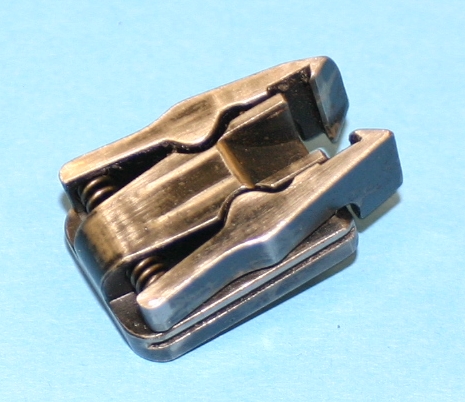
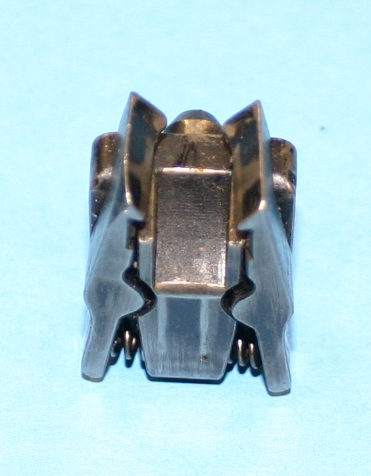
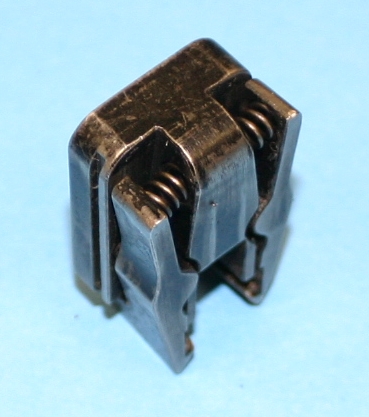
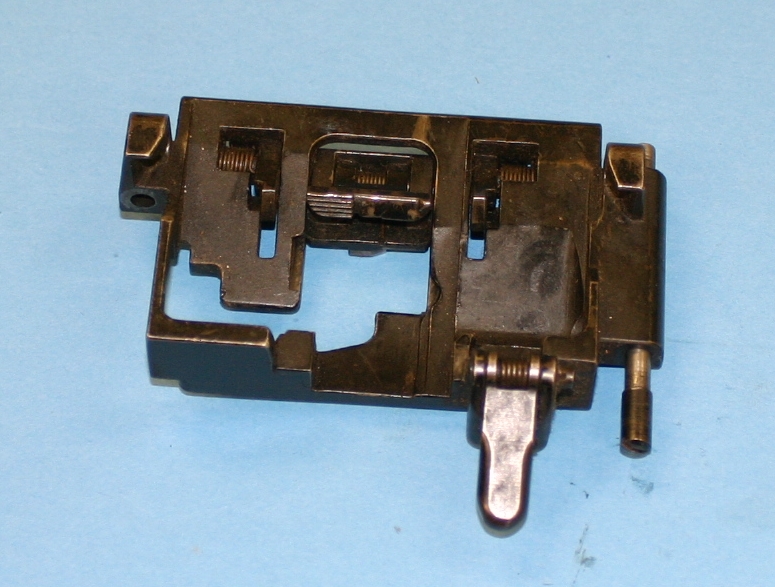
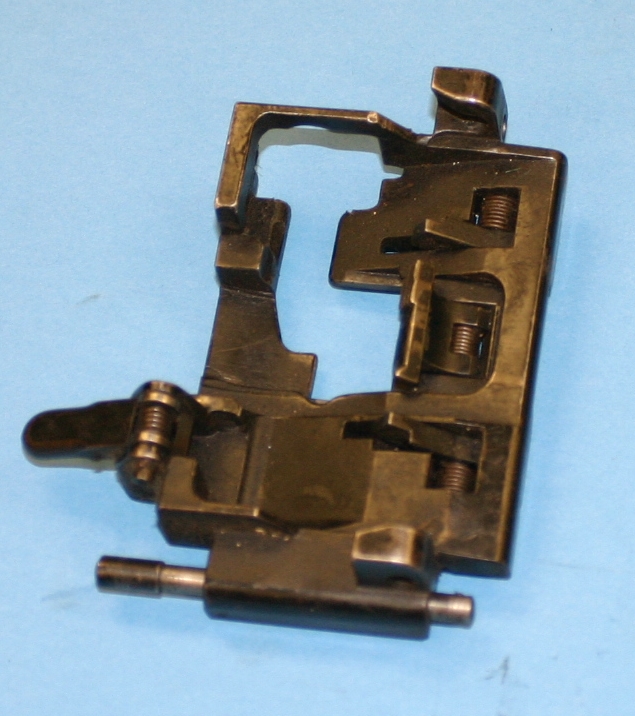
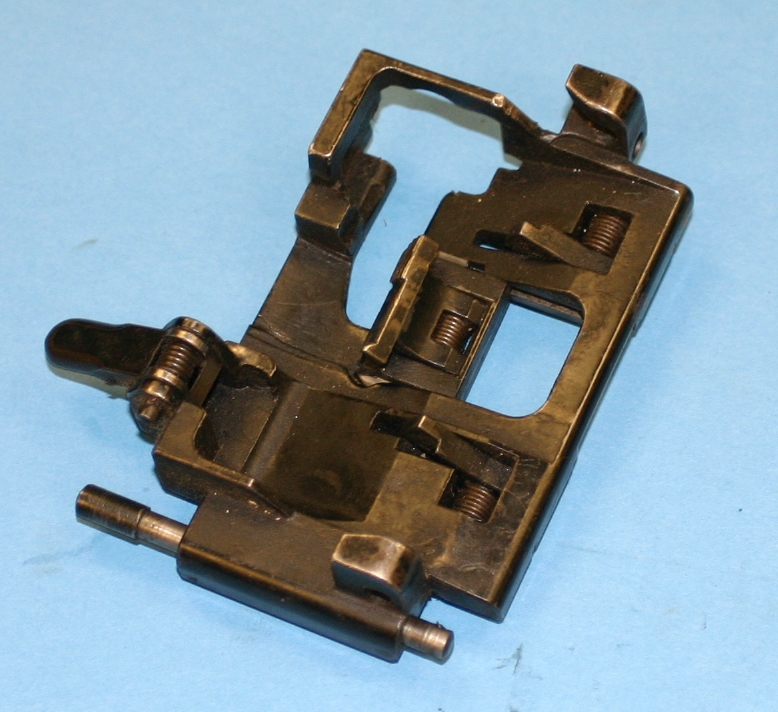
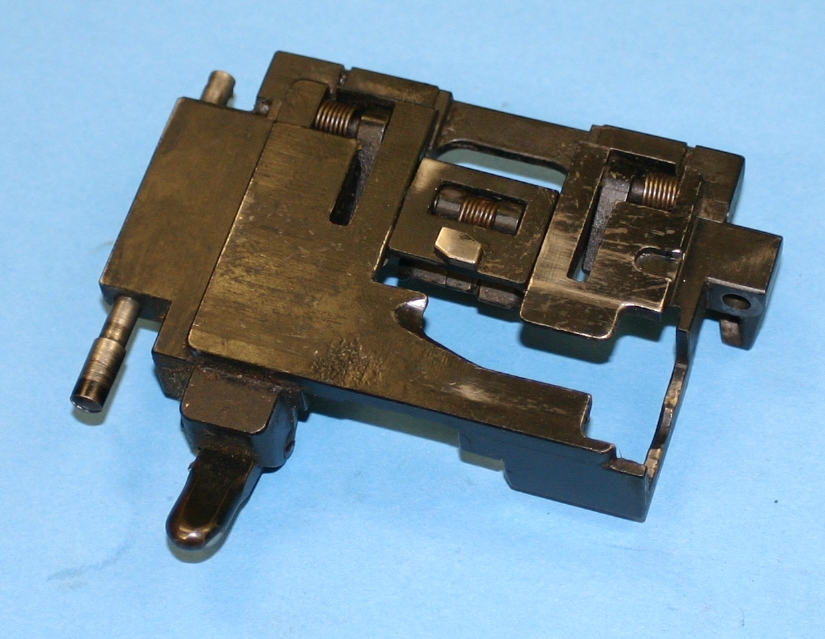
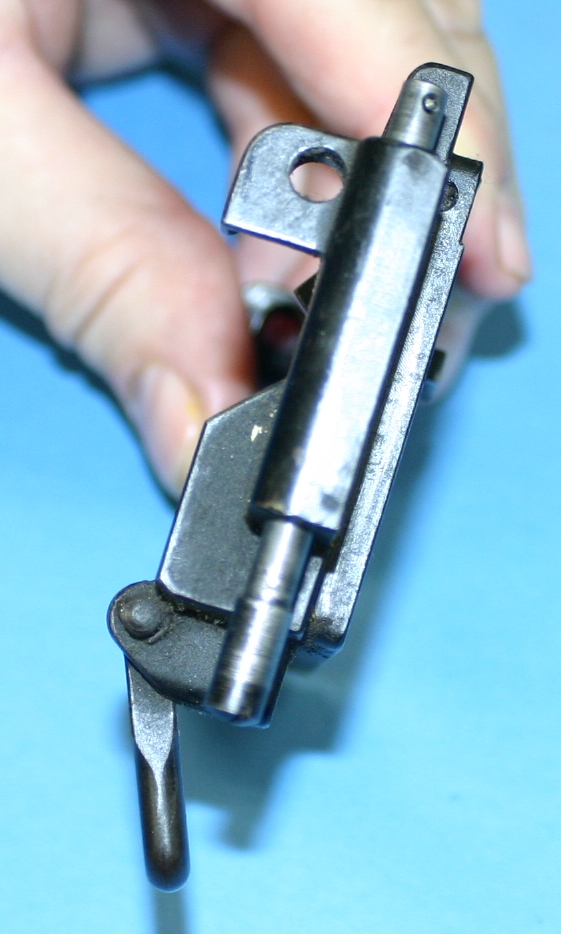
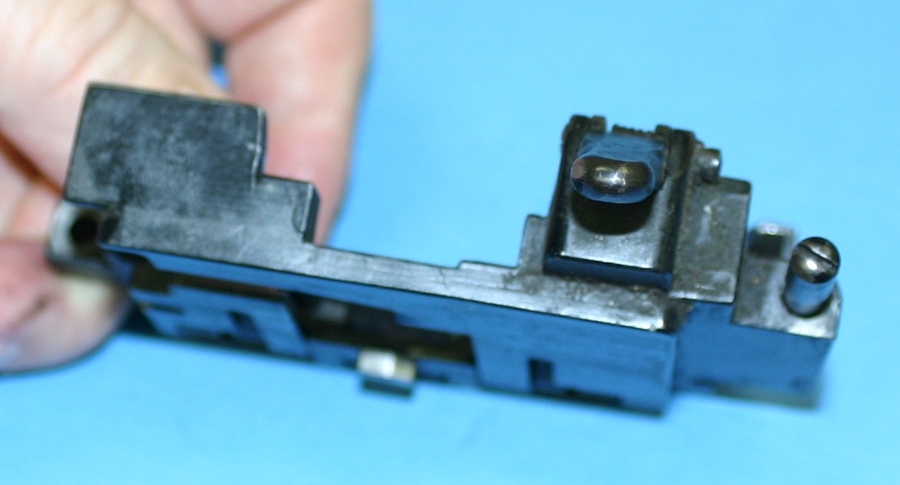
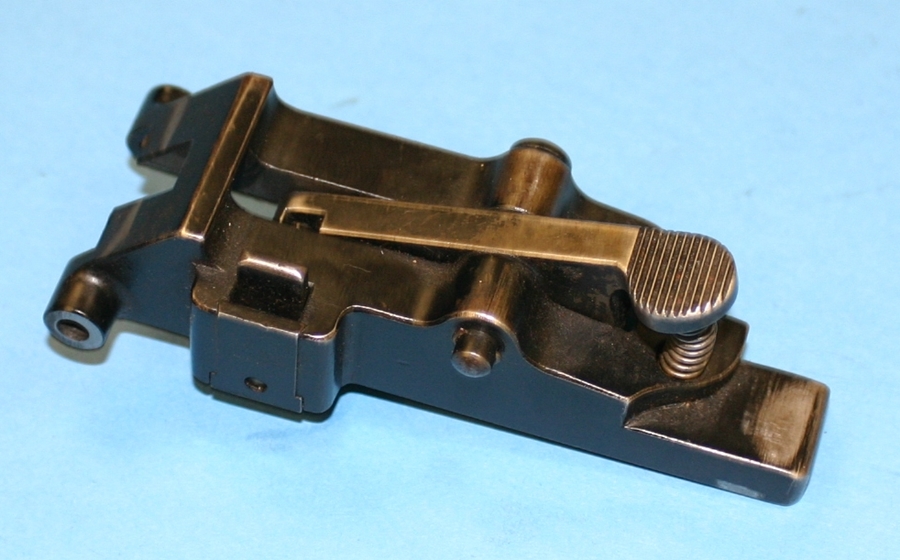
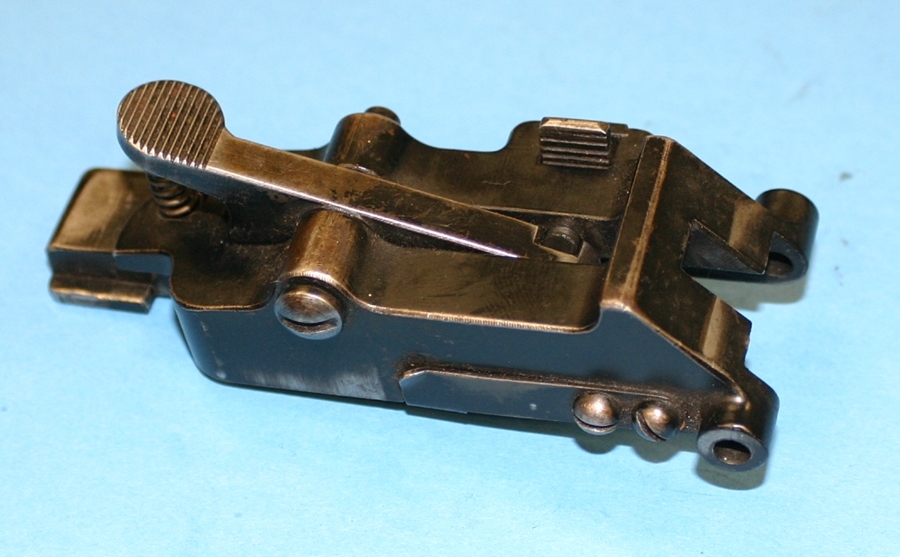
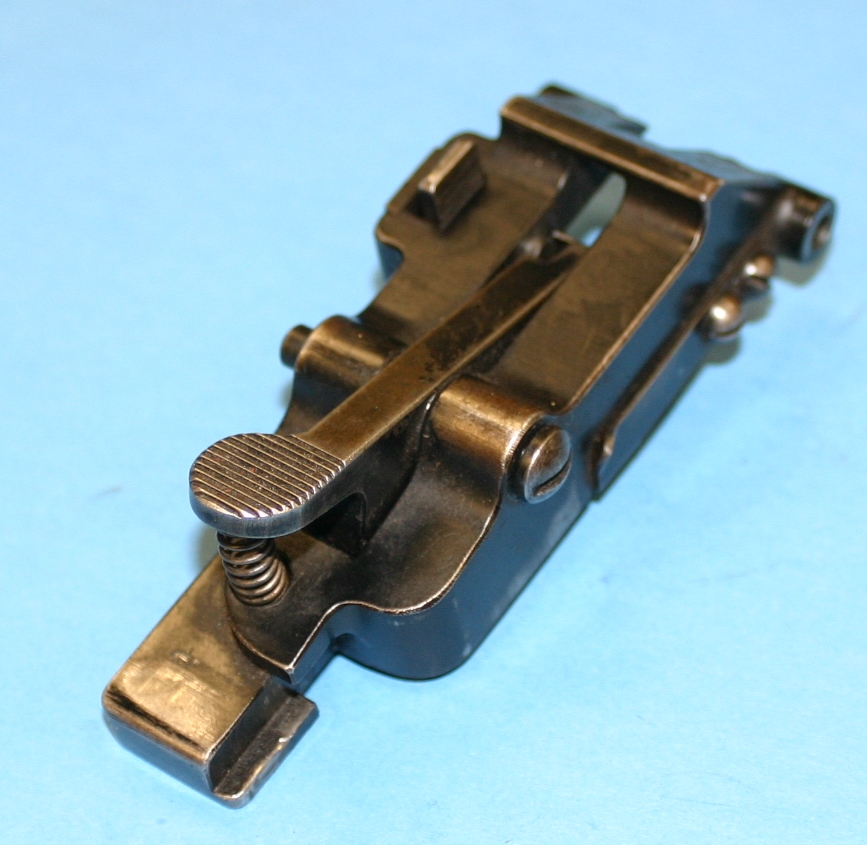
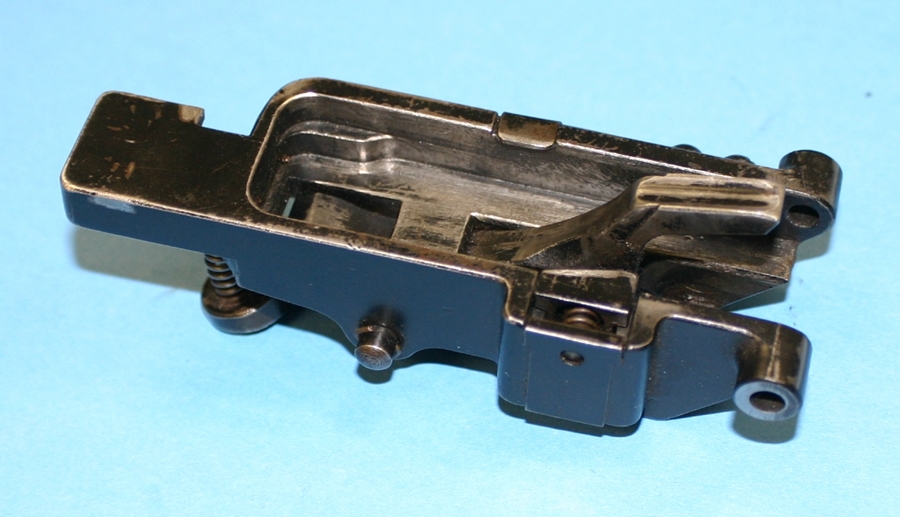
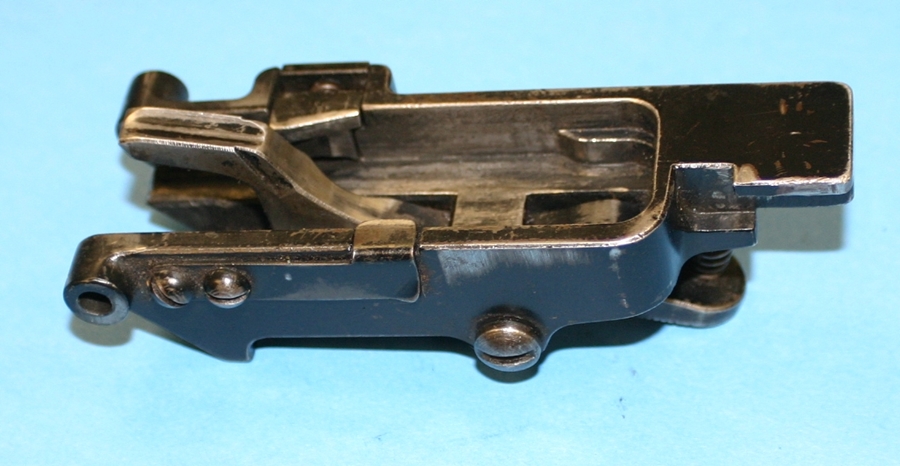
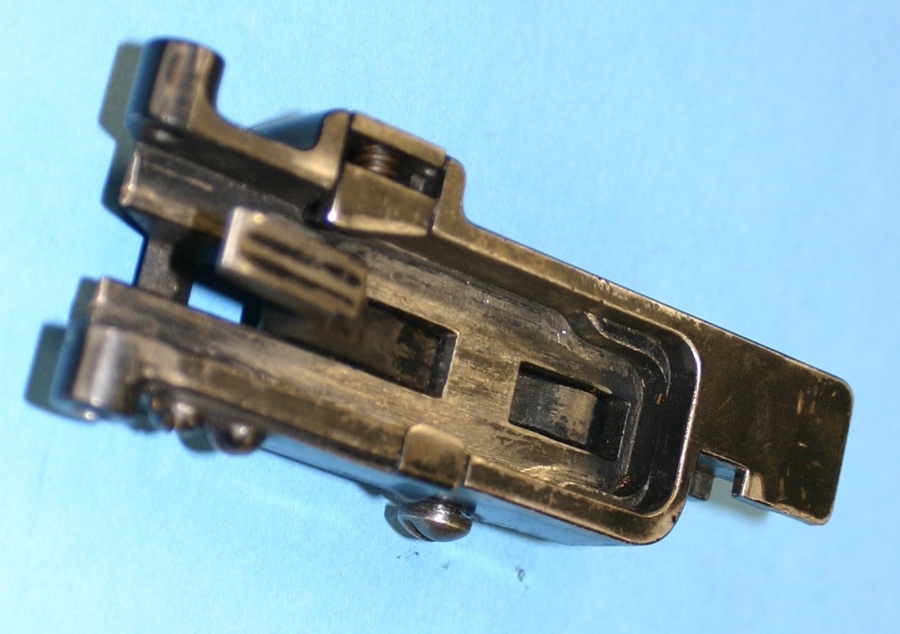
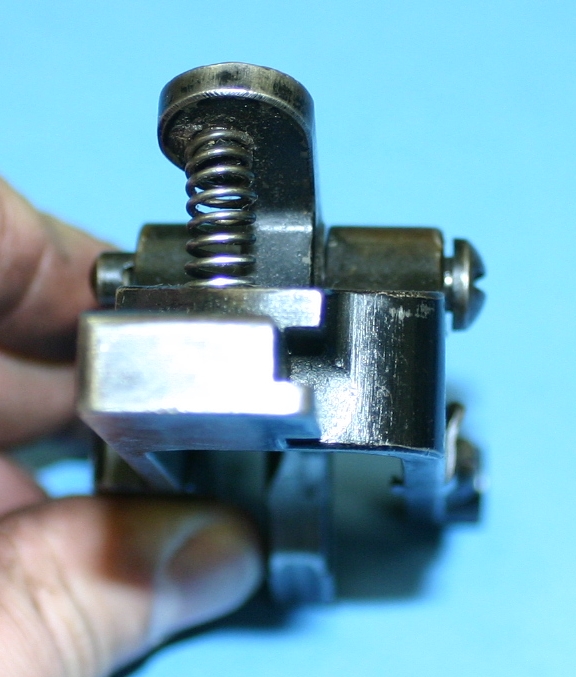
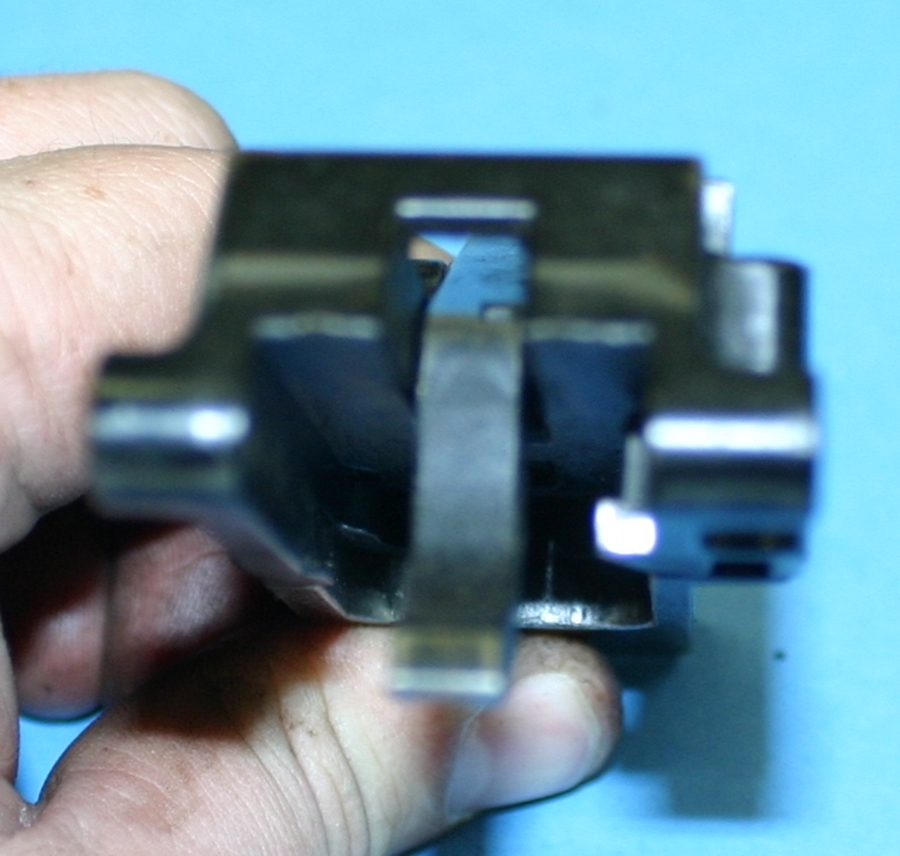
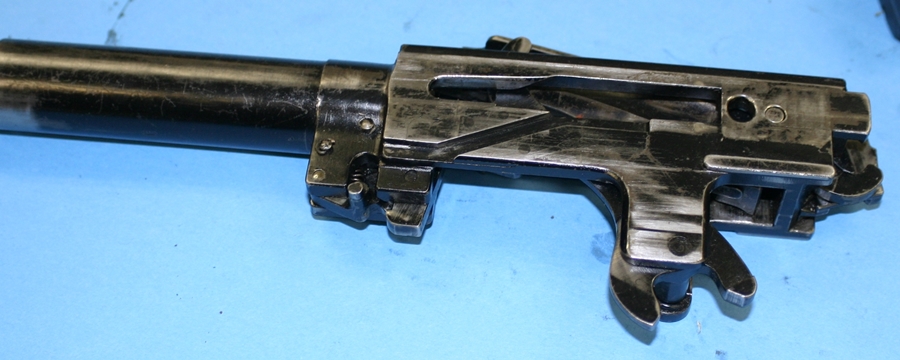
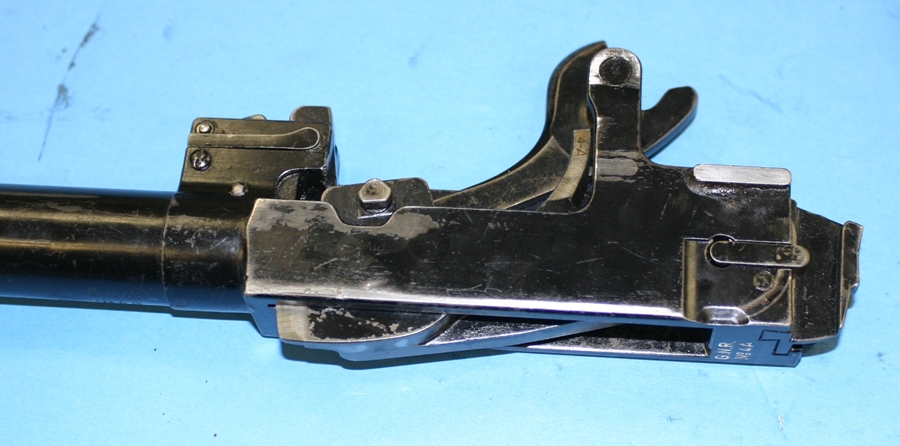
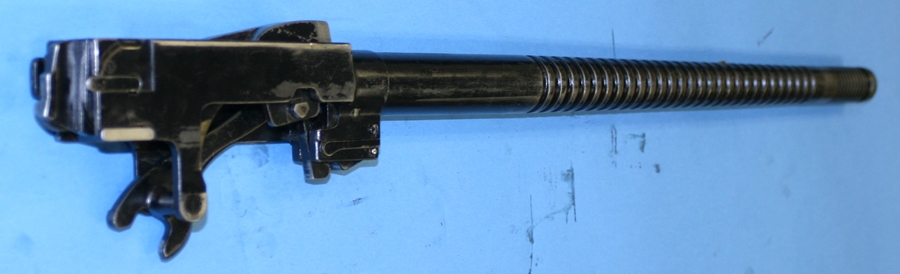
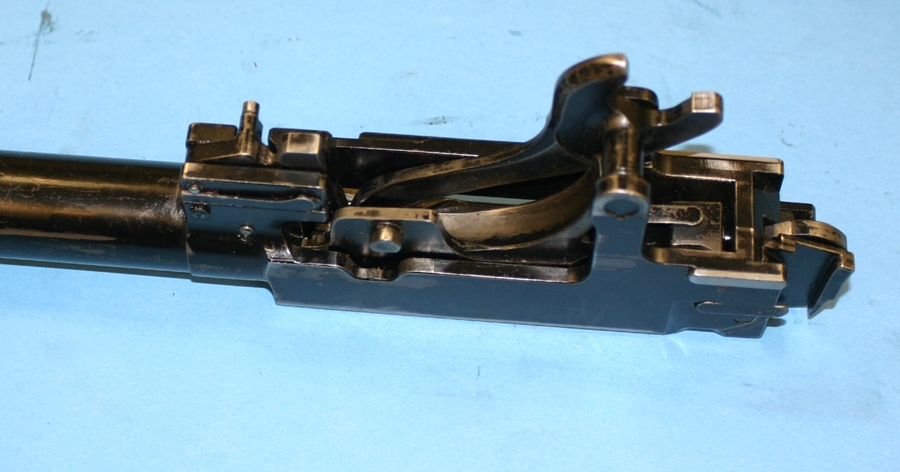
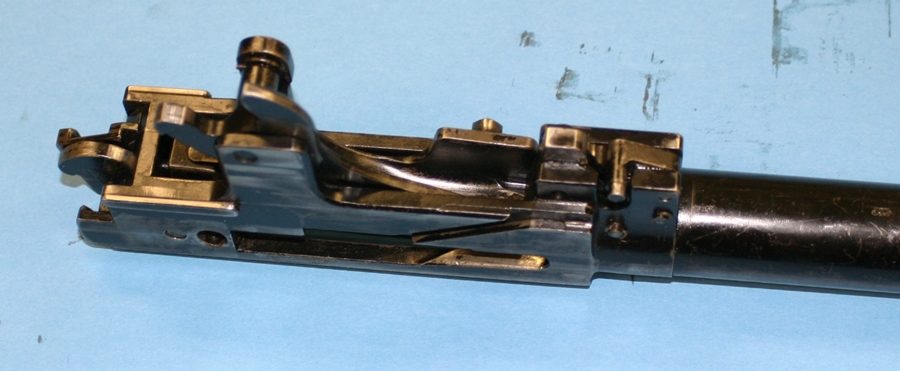
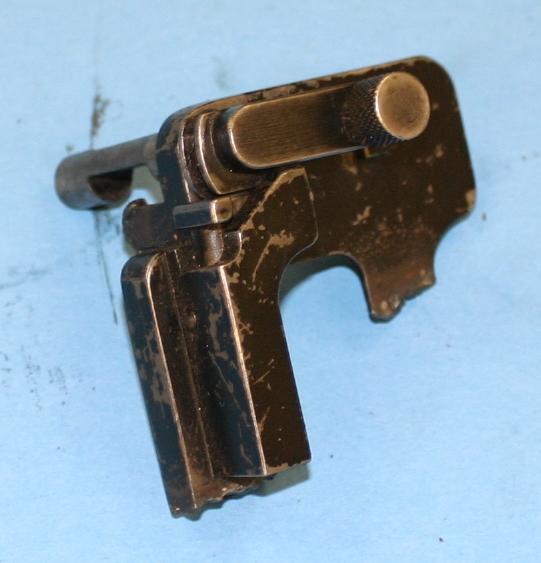
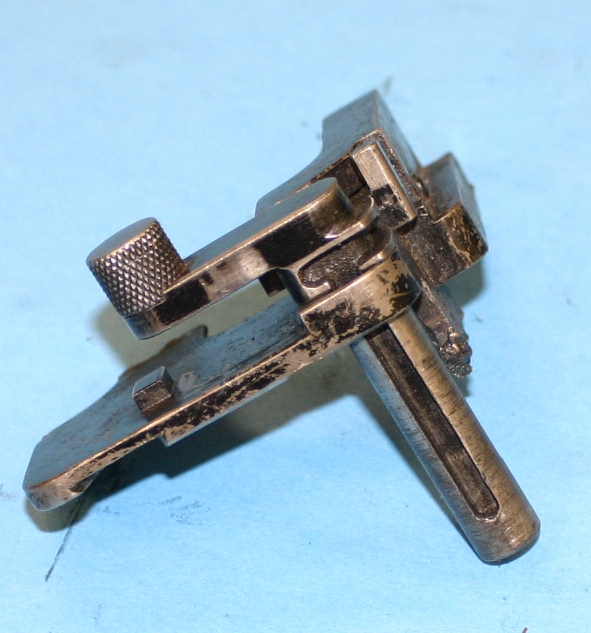
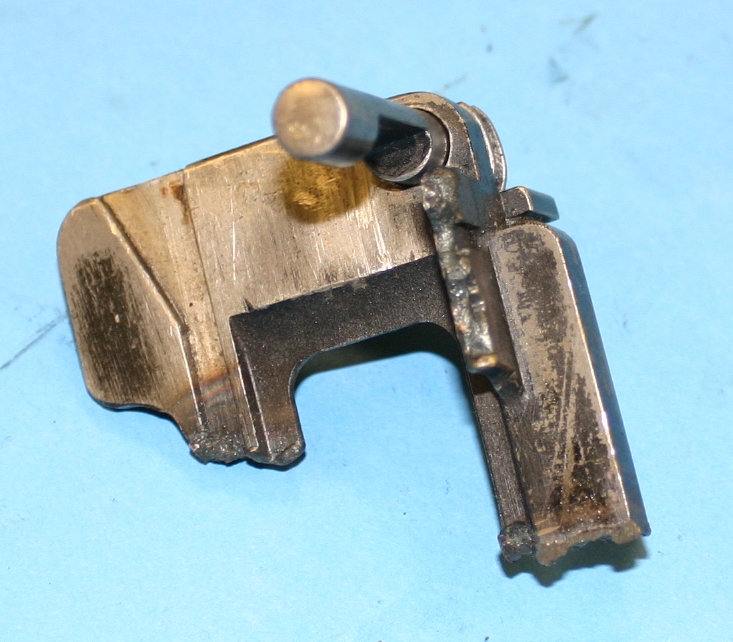
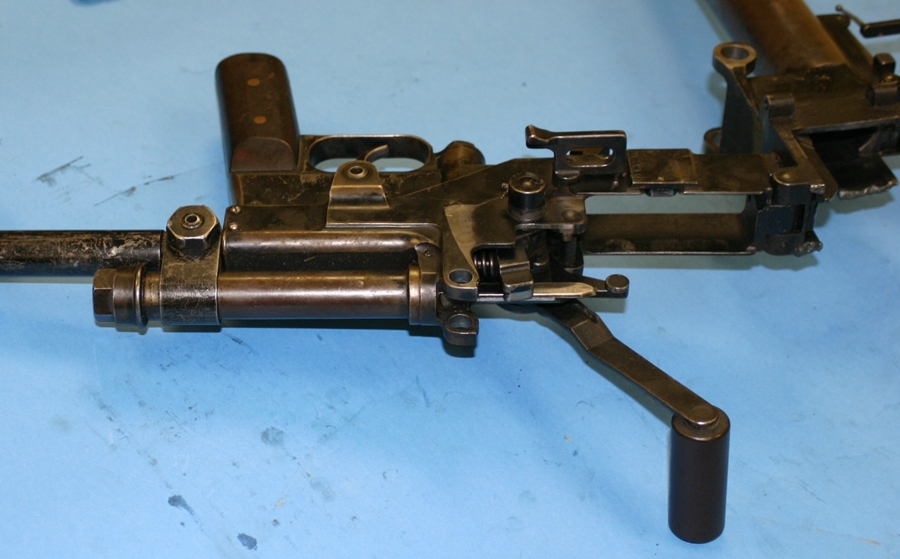
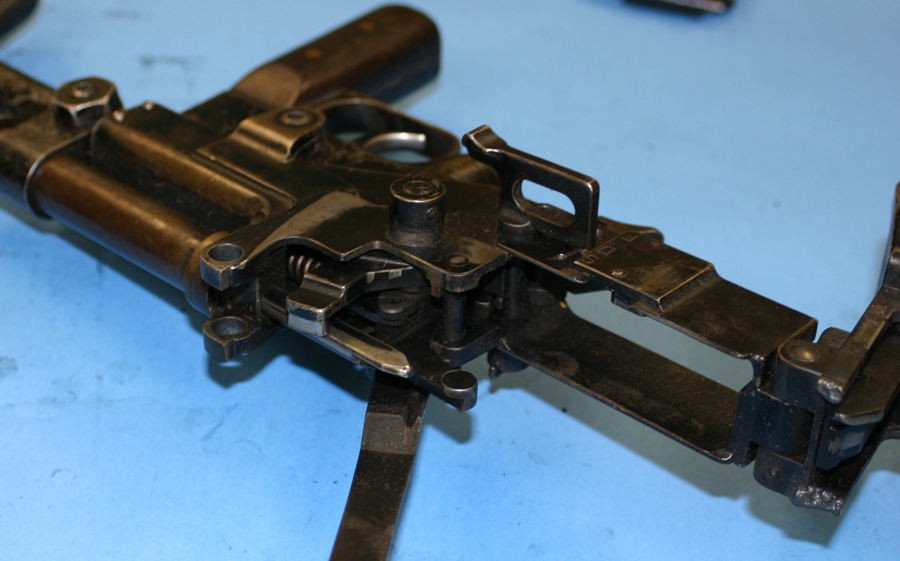
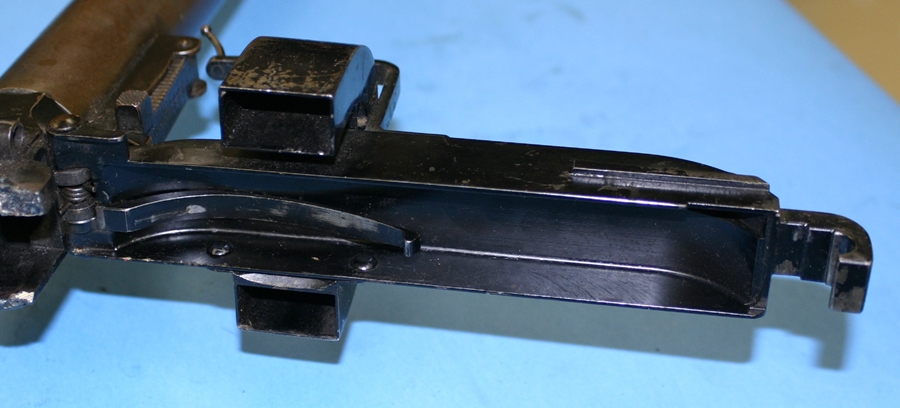
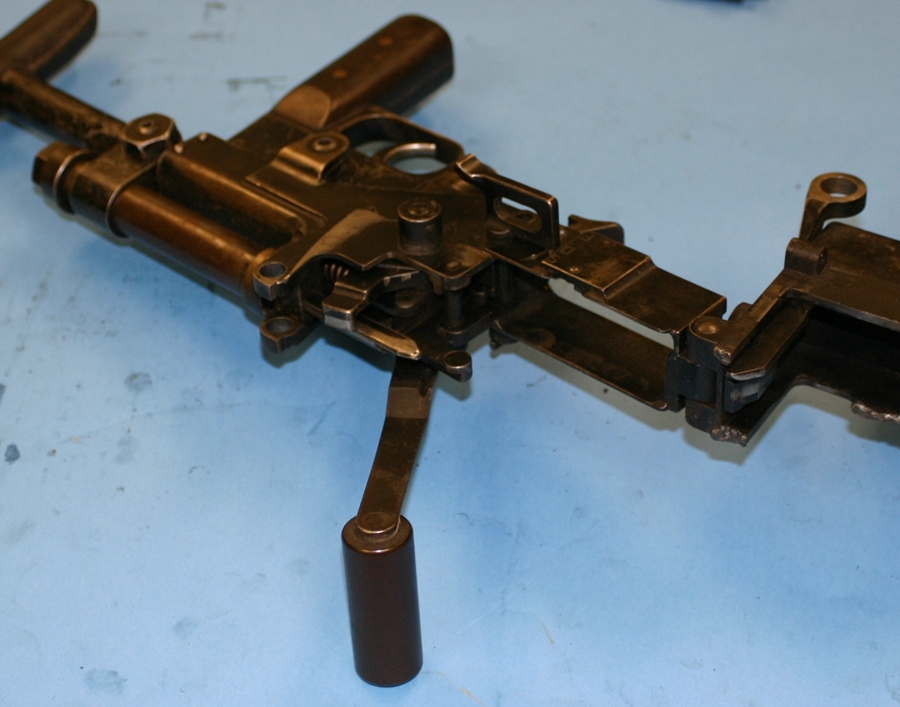
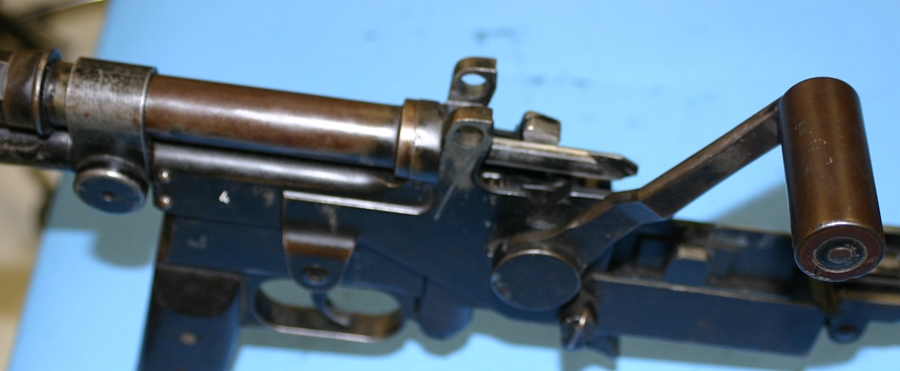
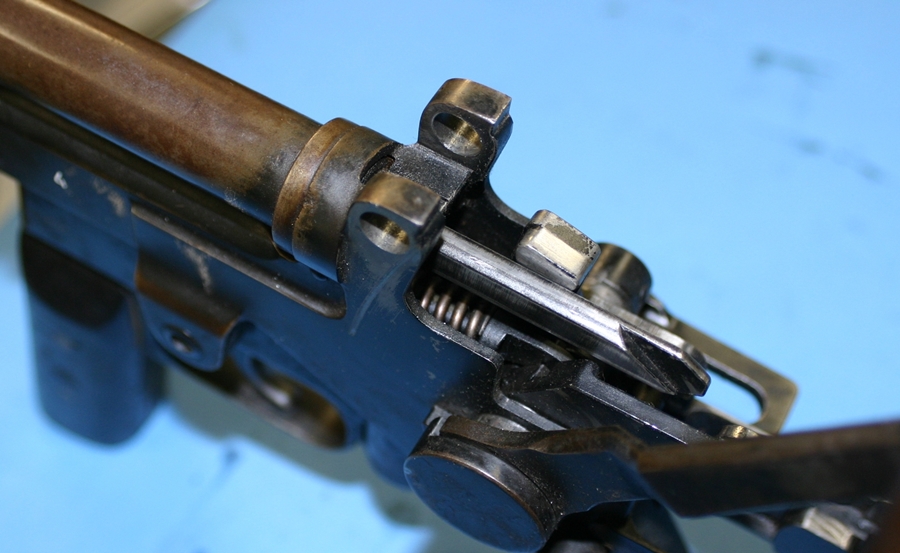
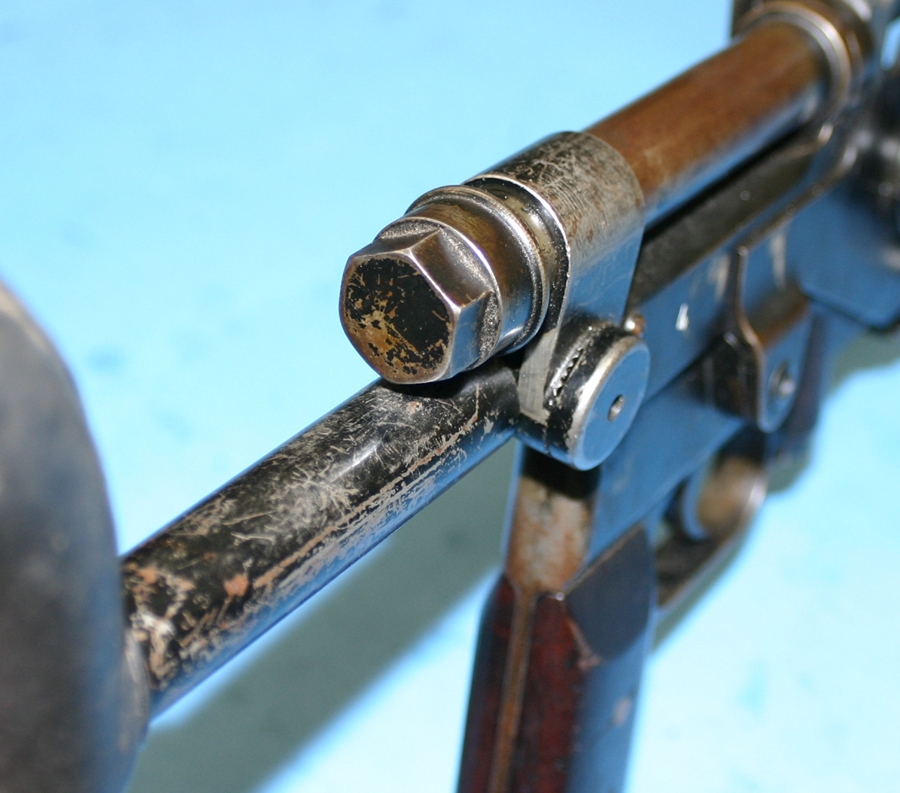
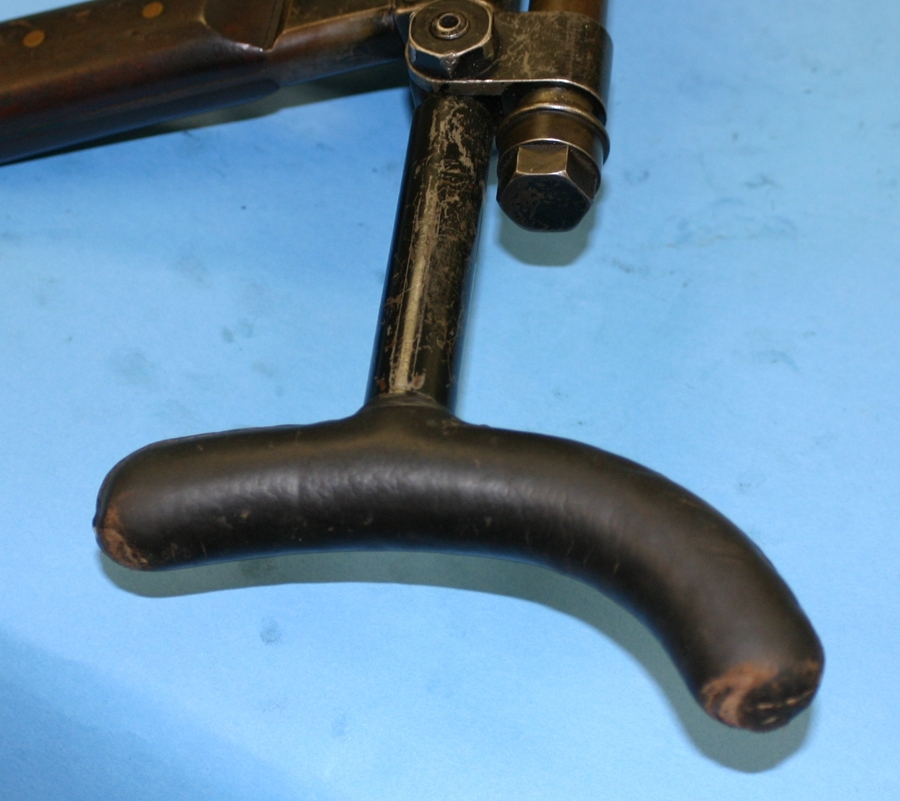
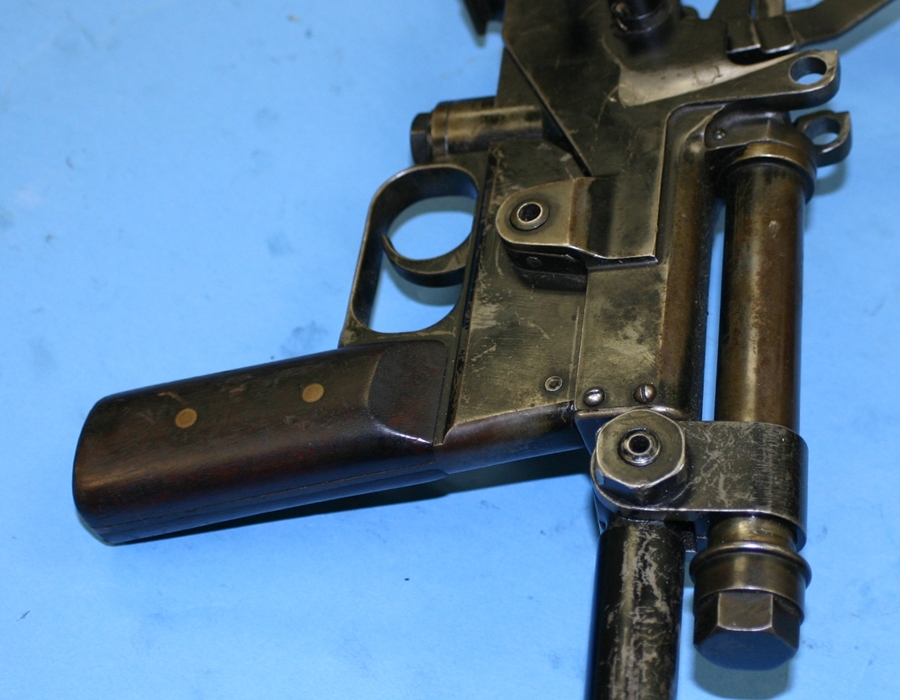
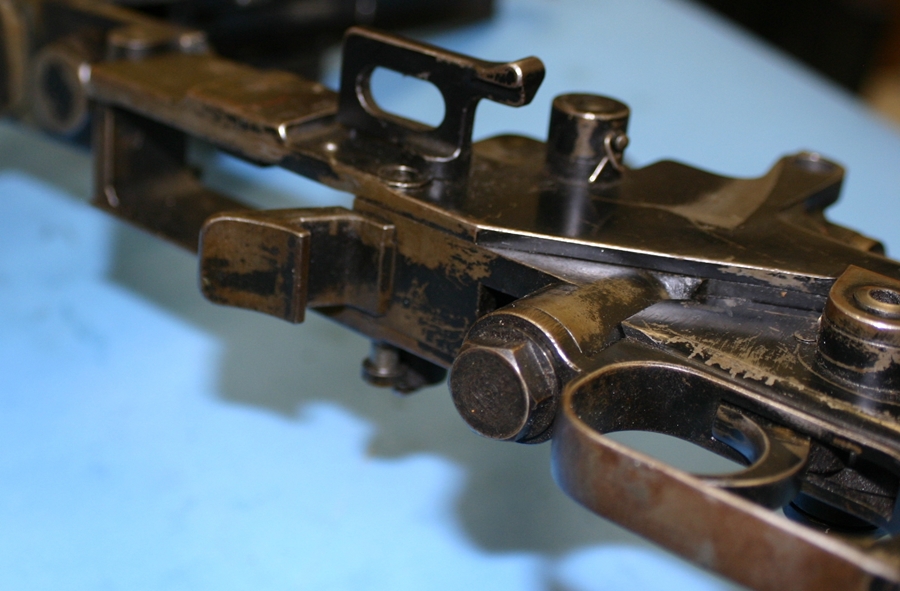
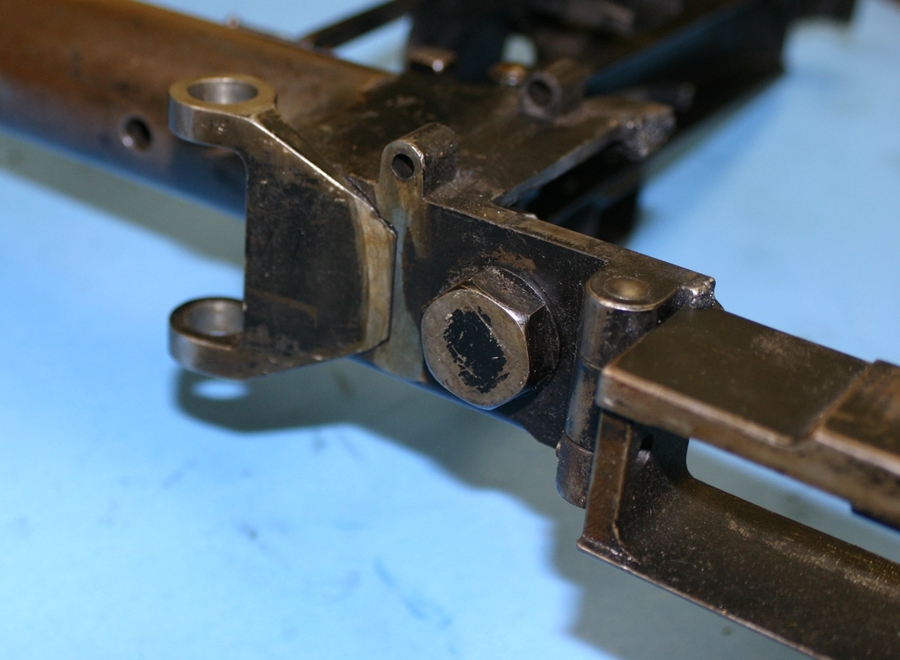
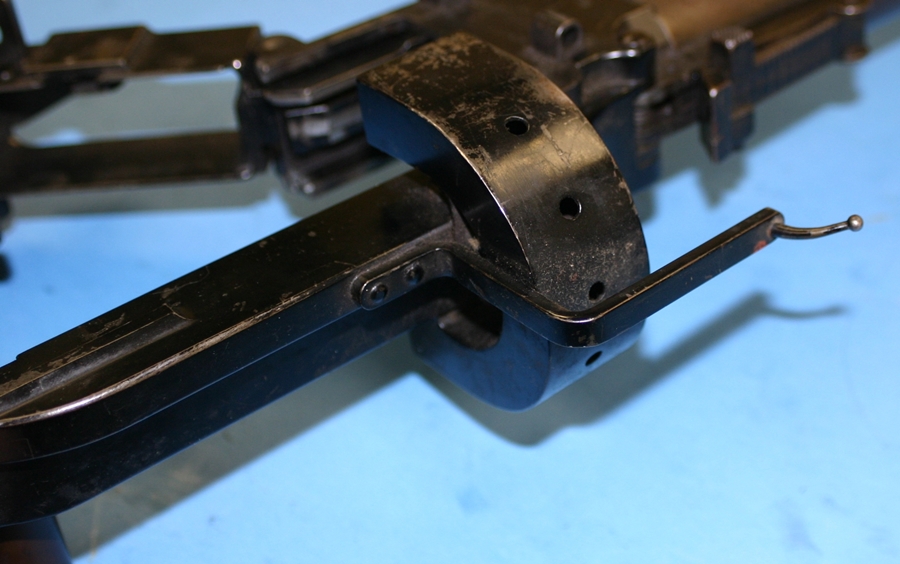
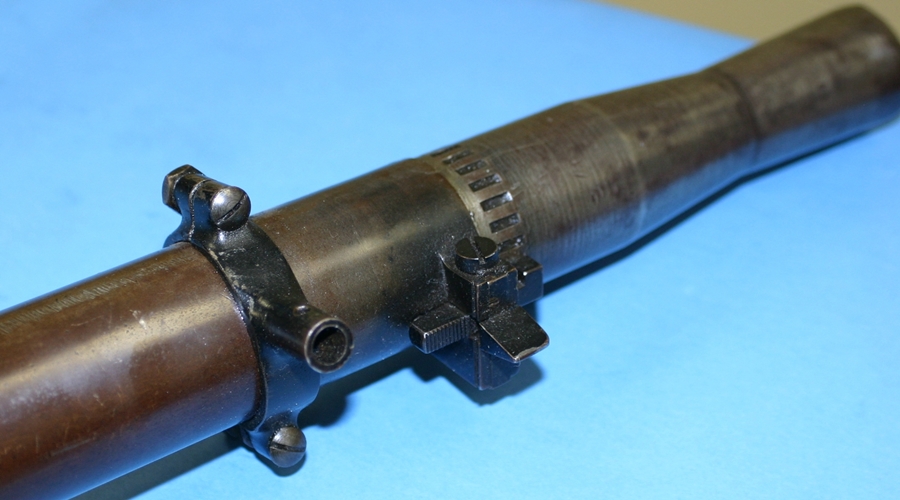
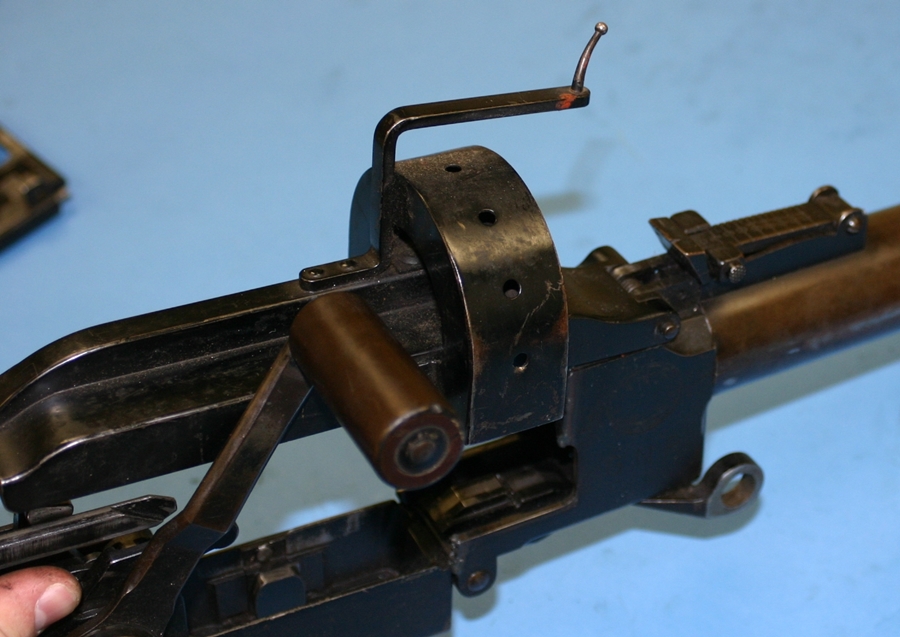
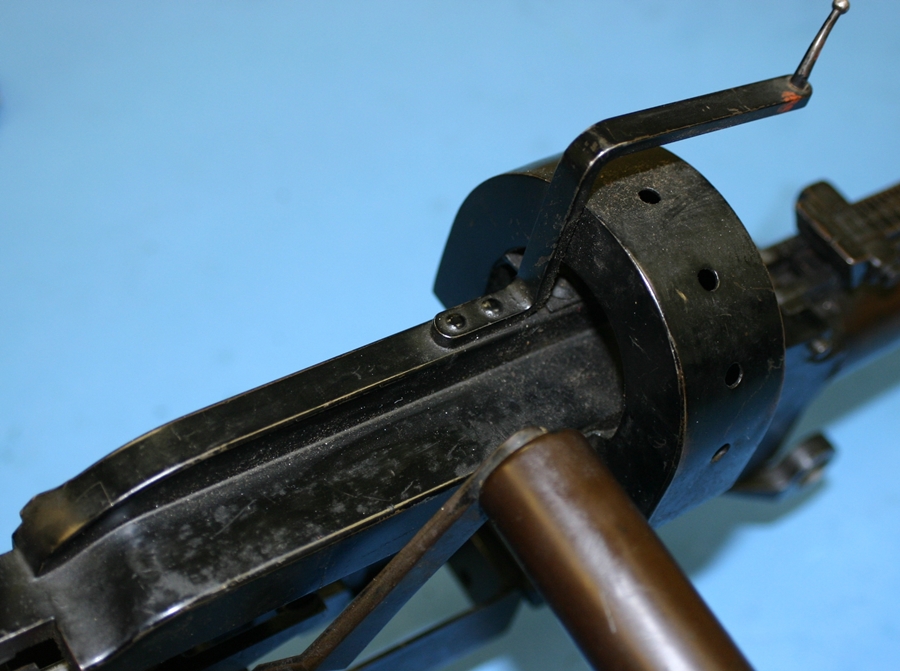
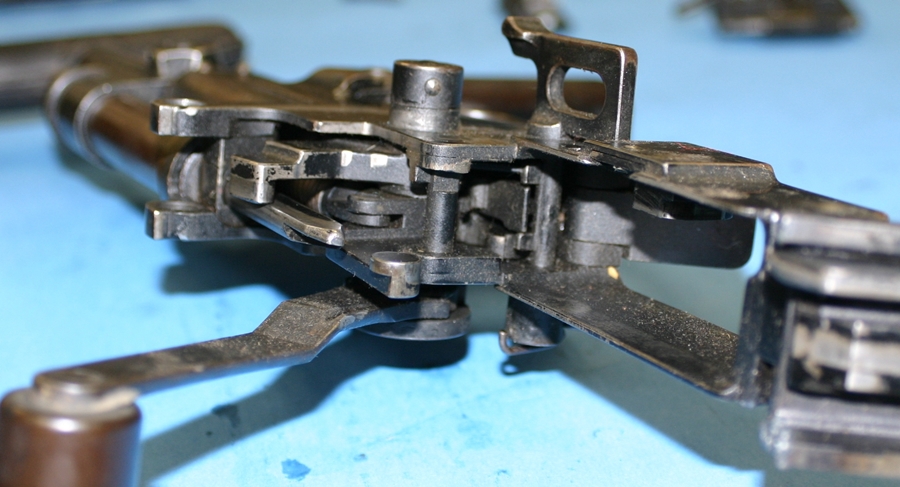
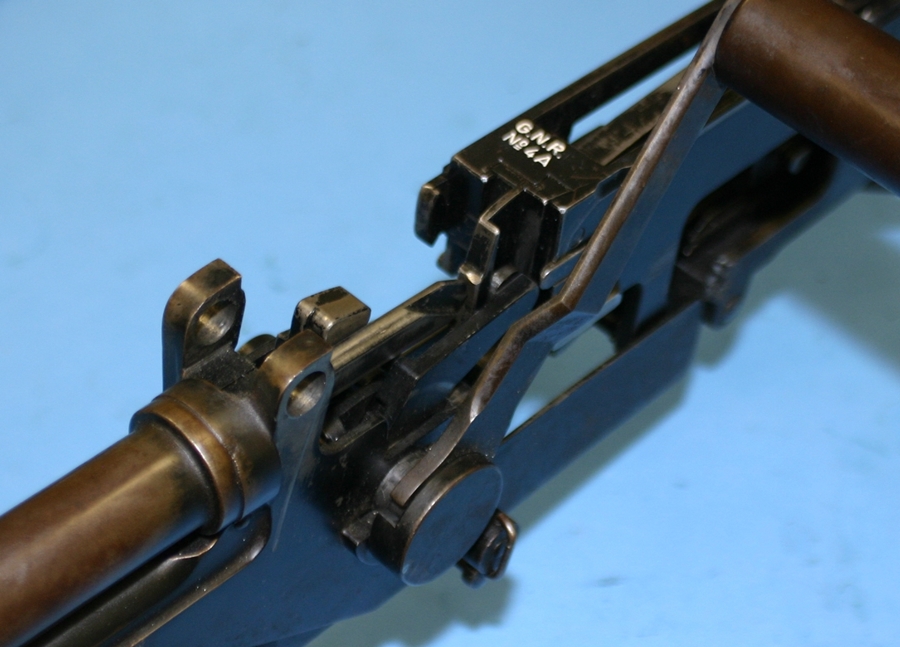
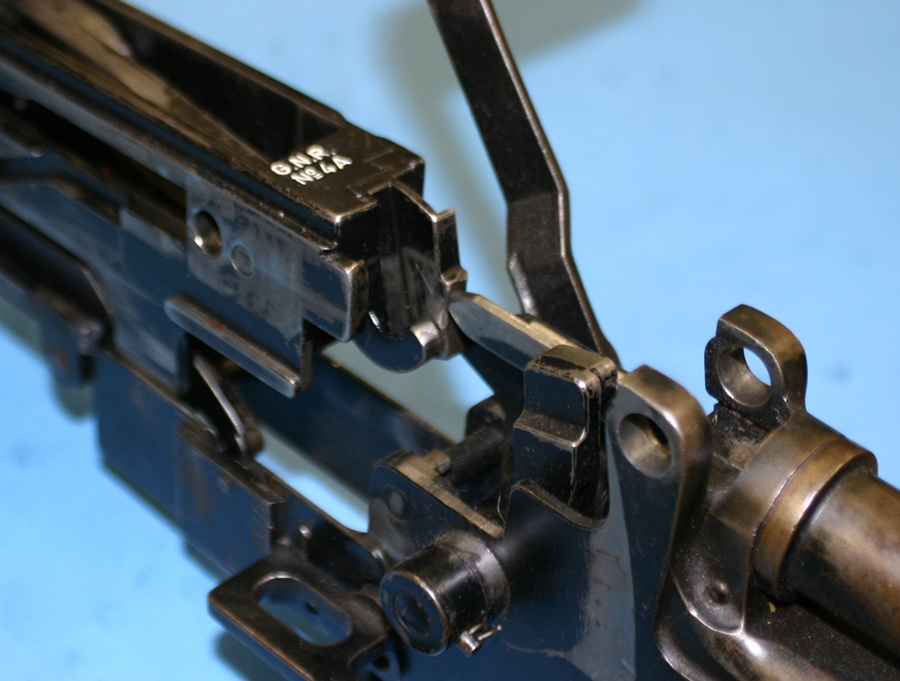
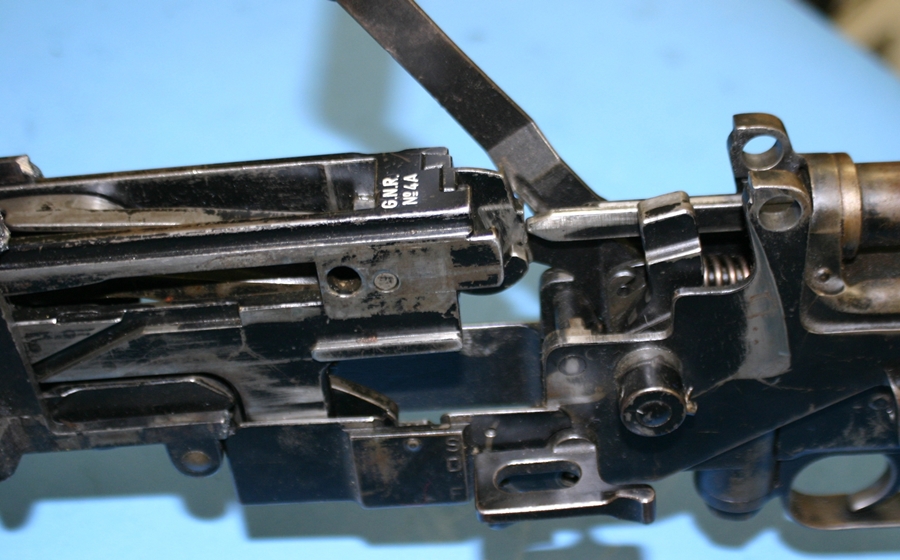
Madsen belt-fed tank gun
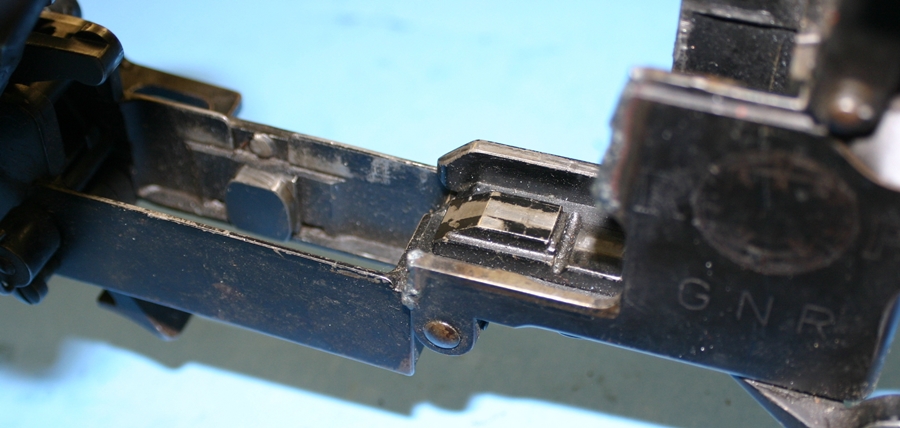
Madsen also produced a belt-fed variant of their long-lived light machine gun for use in armored vehicles (their is a similar aircraft version as well). We found a parts kit for one of these guns and took a bunch of photos of it (click here to download the whole gallery in high resolution):




Awesome post!!!
67 pics of such a nice gun ! Thanks a lot!
simplicity is soooooo overrated!
Indeed! It must have been extremely time-consuming and expensive to produce, with a consequently high price tag for prospective customers at the hand. Weapons procurement by the Portuguese army in the inter-war era was idiossincratic at best, either plagued by endemic corruption or by sheer incompetence or a combination of both: they made quite strange choices (except, perhaps, when they decided to choose 7,92×57 as their single rifle and mg cartridge), especially in the automatic gun department: why they choose the Breda M. 37 as their new heavy mg (meant also to replace and eventually supplement their own Vickers m/917 and locally-made FBP-Vickers m/917/30, too), fed by 20 round strips, over much capable belt-fed Brownings is beyond me! At the same time (circa 1938), the air arm choose superlative FN-Brownings for their Breda Ba 65 ground attack aircraft purchased from the very same source, refusing the original Breda-SAFAT guns. Portuguese Gladiators, received in the same year, were also armed with FN-Brownings.
I can’t be 100% sure, but I am inclined to think that this belt-fed tank Madsen mg (btw, thanks a lot for the beautiful photos!) wasn’t purchased in the 40s, but rather in the 30s, for the armoured cars of the mecanized cavalry unit of the G.N.R. stationed in Lisbon, either to re-arm a few locally-built vehicles, originally armed with Vickers mgs in the first half of the decade, or possibly the Berliet VPCs ordered from France. The acronym G.N.R., engraved onto the receiver under the Portuguese coat-of-arms, stands for Guarda Nacional Republicana, a gendarmerie force equivalent to the Spanish Guardia Civil.
Fascinating stuff!
Do you have any clue on the calibre of this gun? If purchased before 1937, it can be .303. In 1937 or afterwards, it can be only 7,92 Mauser.
It’s in 8×57 – we made a point to check that. Thanks for the info on the GNR!
Thanks! And you are welcome! So, it must have been purchased during the large arms procurement program from the late 30s.
What was the price of the Madsen Light Machine Gun at various times during its history?
In your section on early semi-automatic rifles, you should add the predecessor to the Madsen Light Machine Gun, the M.1896 Rekylkarabin til flåden, a semi-automatic rifle that was used by the Danish Navy from 1896 until 1932. See http://www.arma-dania.dk/public/timeline/_ad_gevar_view.php?editid1=88
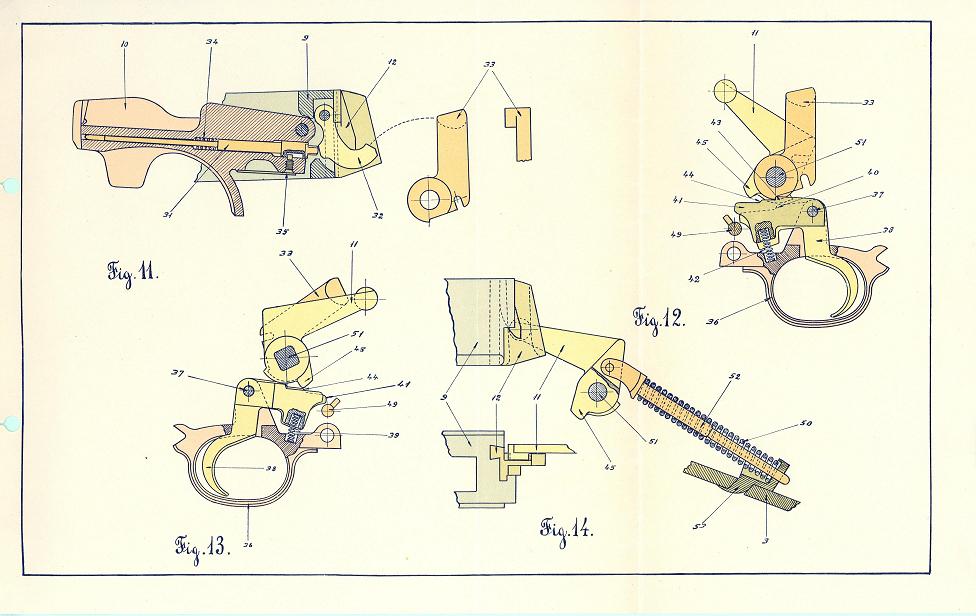
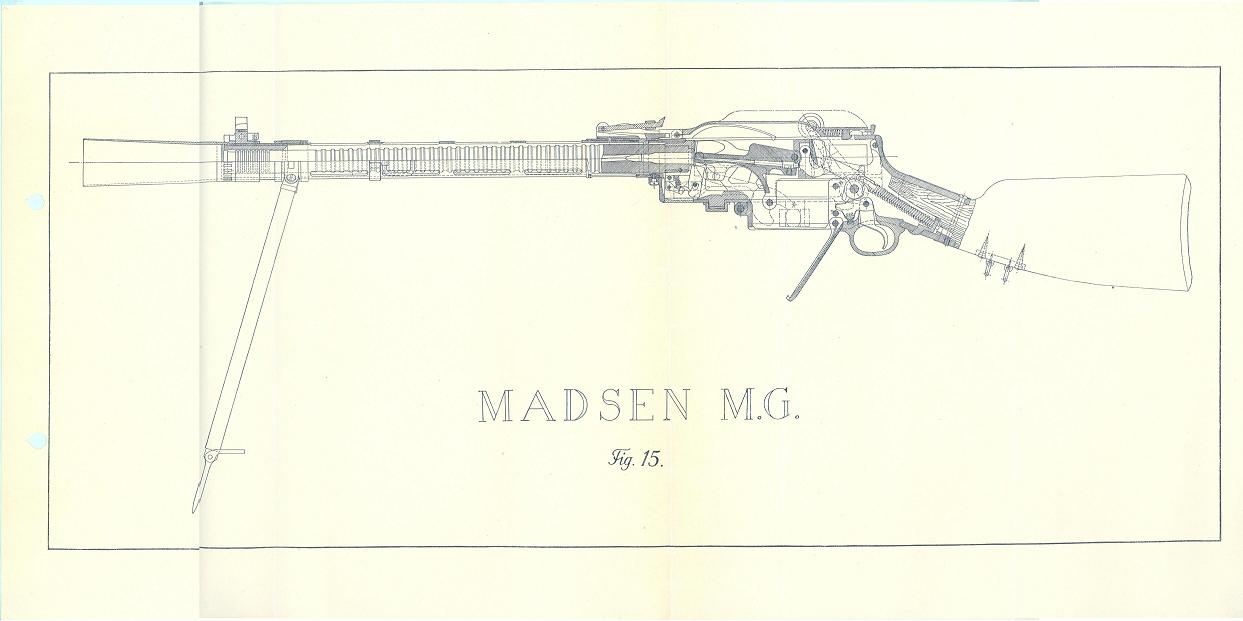
The Madsen is one of the most interesting machineguns ever designed, if for no other reason than the utterly Byzantine operating cycle controlled by the “switch plate”. I haven’t looked at all of the documentation contained herein yet, but if there’s a clear illustration of the path the breech takes in operation, it’ll be the first I’ve ever seen. If I remember correctly, Hogg notes that it actually bends the loaded round slightly, getting it into the chamber.
The Madsen people managed to make this design work reasonably well, before the invention of the airplane, where Russell Robinson and the U.S. Ordnance Corps couldn’t get the M219, M73 and M85 to work, well into the age of computers.
Interestingly enough, a couple of years ago, when the Brazilian police fought a pitched battle in Rio against the gangs for control of the favelas, I remember a great TV shot of a Brazilian cop cutting loose with a Madsen. I’ve also seen a still photo somewhere of the same battle – and a Brazilian cop behind a Madsen scanning the rooftops. So, more than a century after its introduction, it’s still out there kickin’ butt…
It doesn’t surprise me that it’s so complicated. Mankind is notorious for making things more complicated than required.
What surprises me is that it functions at all, let alone as well as it did
By what I’ve read, it wasn’t any less reliable than the Lewis MG. Anybody able to either, refute this or verify it for me
It holds a special place in my favorite firearms of all time. Like the Russian Nagant revolver, it’s unique design and over complicated operation just intrigues me.
As far as I’m aware it worked quite reliably and despite its complicated mechanism it wasn’t all that hard to maintain and while the extensive use of machining in its manufacturing meant that it was a rather expensive weapon it also meant that it pretty much lasted forever.
There was actually a tactical live fire of this gun on the Military Channel’s show “Triggers” last night. The host negotiated a short fire and maneuver course with the gun. He did quite well with it and seemed to like it. I can’t recall what caliber the gun was. I THINK it was either 7.62x54mmR or .303.
Ooo, that would be cool to see…
It’ll probably be on again next Wednesday. They always show a rerun and the new episode.
The Madsen featured on TRIGGERS was mine. We went down to Georgia for the TV shoot. It is a semi auto ,modification(batf approved)by Midwest Metal Creations.
Will Willis did enjoy shooting it. He did some plinking later with the Madsen,shot a number of cans of shaving cream off a log @70 yards. Plus one camera.
The gun works really well,never had any trouble using good quality surplus ammo.Caliber used on TRIGGERS was 8x57mm. Have also a spare barrel in 30’06.It is very easy to swap barrels. Cleaning and field strip no trouble . All parts are very heavy duty,old school tough.It is a very unique mechanism,gives a slightly odd recoil impulse. The barrel recoils backwards while the bolt moves up and down.
The semi auto version can be purchased in most of our 50 States,about 3g’s.
Hey, great report, but…. there’s nowhere to see in which caliber Danes had this LMG….. thanks
In Denmark, they were initially used in 8x58R.
They fired the 8x58RD
https://www.arma-dania.dk/uploads/db_vaben_foto/M89-20071230-222326.JPG
I was just on a UK military surplus website which had “Madsan” tripods at £400 GBP – I assume they mean Madsen. It looks like a lot like the tripod Ian used in the video.
http://www.thexmod.com/item_detail.asp?id=16150
They have 10 reported on the site. No idea what the quality is or what exact model they are though.
How the UK MOD had these is a headscratcher.
The tripod seems to have the remote trigger activator on it, and both of the shoulder carrying straps. It looks kinda rusty (though that might be paint).
I have a Midwest Metals semi-auto Madsen, it always gets lots of attention at the range. I bought a canvas Sten gun handguard to wrap around the barrel shroud … better than the old tee-shirts and duct tape the Brazilian police seem to use. The Madsen was really made to be fired while supported by the bipod.
Good idea with the Sten shroud!
The tripod does have a remote trigger built into it, although the example I was using is missing a couple of the linkages for that trigger.
I made some concept drawings of a blowback subgun using a similar (very loosely) system, but i stopped development because it offered no advantage over traditional styles.
Madsens were built in whatever caliber the customer wanted. I know of 8 LMG and 1 SMG coming to market in the next six months or so along with some other AWESOME stuff plus tons of accessories. the LMGs were 8mm Mauser (3 ea), 7mm Mauser, (2 ea), and .30-06 (3 ea). Also one subgun in 9x19mm.
Lots of cool Class 3 hitting Rock island as soon as the transfers are complete.
Some of these came from Dick Wray’s collection. Most likely they are the ones with the MATCHING spare barrels. Yup- they match.
Look for Scharzlose, Maxim’s. Hotchkiss Portative, etc, etc, etc.
oh yeah- a Lewis with spare barrels, other spare parts, lots of drums.
A 1917 Westinghouse Browning.
Got a few pics
Nice! Are the Madsens all full auto, or are some semis?
Oh no. All full auto. A genuine VSM vickers and WW1 maxim with sled mount will hit too
Oh and at least one of the madsens are transferrable for anyone looking to purchase.
A Danish movie just premiered that follows a platoon of Danish soldiers during the early hours of the German invasion in 1940. You see the handling and transport of Madsens both by bike, foot and motorcycle in the movie and they show fully automatic fire.
They even digged up a 20 mm Madsen gun or two and mounted them on nimbus motorbikes as they in fact were. Very well done showing both maden LMG and cannon and the Danish Krag Jørgensen rifles (with their unique side hinge opening of magazine) in action. Worth the view alone for that. Very historically accurate with several early German armoured vehicles and at least one Panzer I.
It is called “9. April” I don’t know if it is possible to view outside Denmark, but it is recommendable for showing equipment, weaponry and uniforms that are rarely seen.
Only downside is that they appearently couldn’t find an MG34 and had to make do with an MG42 for half a second.
I just bought an old wooden gun case (46″ long) and I am trying to find out some history on it. On the front of the case it appears to say “Calaca Para Metralhadora 77 m/917”. Only thing I can find is Metralhadora means machine gun. I would attach a picture but I am not sure how to do that. I appreciate any help you can provide. Thanks!
Hi, I have 2 Madsen AM’s, the tank/aircraft gun parts kits, serial numbers 1and 2 in the box with tools. Any idea what they are worth? The highest serial number I have ever seen was like 39 or 40?
Thanks for sharing photos of those beautiful drawings. Where did you find those?
I came across this article whilst searching for something else. I actually used a Madsen LMG of the Portuguese Army in cal 7.7mm (UK .303in) whilst serving with Commonwealth Monitoring Force in Rhodesia in 1980. It in the hands of a farmer on the Rhodesian/Mozambique border. A absolute lump of a thing, complex to use, but, superbly made, it really last for ever.
The following is a relevant item from a book that I wrote recently on the Regiments of Southern Africa.
G.A.MACKINLAY New South Wales
No Natal Border Regiment. The family tree biographical entry for Friend Addison (he mentioned a number of times on these pages), shows after service with the Stanger Mounted Rifles, service in this regiment. This unit title is also incorrectly shown in a number of other sources relating to him. Since no other mention can be found, I would say it was No Border Mounted Rifles.
NOTE : Friend Addison. Born 21st December, 1848, Kent, came to Natal 1849, as part of the fraudulent Byrne migration scheme. Sugar Planter and Miller, established at Addington one of the first Sugar Mills in Natal; from 1894 he had a plantation at Stanger. He served at times in the Stanger Mounted Rifles, the “Natal Border Regiment” sic, and the Natal Mounted Rifles, Lieutenant Colonel Commanding 31st May, 1888, and subsequently their first Colonel. Served, Zulu War, the South African War, and other wars and rebellions. Died Durban, 27th August, 1924, buried Herwen, New Guelderland, Natal.
He is historically significant in a minor way, bringing to Natal from London for the 1906 Natal Rebellion, eight Rexer Automatic Machine Guns (a unlicensed British manufactured copy of the Danish Madsen Light Machine Gun (LMG) designed by two Danish citizens) for use by the Natal Militia regiments. Purchased for 80 pounds each by Natal citizens resident in London, the first use of a tactical man portable machine gun or LMG in any British Commonwealth service (firing 450 rounds per minute, but difficult to use), see No Zululand Mounted Rifles. Subsequently they in service in GSWA, and then in German East Africa, where two Rexer guns were with Lieutenant J.Arnott’s Machine Gun Section (of four Maxim Machine Guns) in May 1916, with the 1st Battalion, Cape Corps.(Captain I.D. Difford, The Story of the 1st Battalion Cape Corps (1915-1919)).
A article in The SAMHS Military History Journal Vol 13 No 5, – June 2006, The Natal Rebellion 1906-Some Military Perspectives by Hamish Paterson, of the South African National Museum of Military History, incorrectly states that 27 Rexers were used in the campaign and one of the causes of the heavy Zulu casualties. Court records in the UK show that at the closure of the Rexer Arms Company of London (extant 1906-11) manufacturing facility in 1908, due to a well known patents case, in total eight .303in guns had been sold to the Natal citizens, 27 to Mexico in 7mm, and six .303in and 44 7mm were in stock, with component parts for a substantial number of weapons without calibre. A further eight guns were purchased from the Receiver by the Natal Government, presumably the six in .303in, and a further two assembled from parts. Apart from their one successful use by the Zululand Mounted Rifles, their late appearance on the battlefield did not allow in any form their tactical development, their complex operational use, added to the fact they only had two 28 round magazines each (and slow to reload), makes it is very doubtful whether they a major factor in the end of the Rebellion, let alone a cause of heavy Zulu casualties.
Whilst the Madsen remained in production to the late 1950’s, purchased by many countries, notably in Asia, South America and Eastern Europe, it was always a very complex, and expensive weapon.
AND
No (was 625) ZULULAND MOUNTED RIFLES (ZMR). 1904 raised when the Militia Act of Natal came into force, HQ at Eshowe, CO Major (later Lieutenant Colonel) Walter Arthur Van der Plank, formerly Natal Carbineers, a Eshowe solicitor. In the Natal Rebellion 1906, the regiment saw much active service under Van der Plank, with a very effective intelligence section raised. The first military unit in British Commonwealth service to use a light machine gun, having three Rexer Automatic Machine Guns issued, which they effectively used in the defence of a convoy during a night time attack (see Note to No Natal Border Regiment). Five Natal Distinguished Conduct Medals of a total of seven awarded to the Natal Forces engaged, went to the ZMR, 124 received the Natal Rebellion Medal with clasp, 31 without, total 155. With creation of the UDF amalgamated with No Umvoti Mounted Rifles 1913. Slouch hat badge, a rhinoceros, facing left with the motto Wa Tshetsha above, the unit title on a scroll below. Khaki uniform with black facings.
TEXT : HURST Godfrey Thomas. Short History of the Volunteer Regiments of Natal and East Griqualand, pp.131-134.
sneaker-bok, foxsportsgear,
mfddeals http://www.mfddeals.com/
I’m looking for an intermediary in USA for sale Madsen 1902. I have a permit for this weapon. I make a percentage of the sale. If they help me get out to the buyer.
I ask to write on Skype otoehe
I believe I have acquired a field tool kit for this gun. Can I get help confirming this?
THANKS IAN… As a Modeler, Who Does Some ‘Out of the Box’ Kit Bashing….THIS is Just What I Need. People Always thing of the Stocked, Magazine Madsen, Forgetting, They Offered Anything from 6.5, up to 30mm, Magazine or Belt in Their Catalog…
And IF Your Doing Say, an Observer’s Gun, for a 1920s-30s South Amer. Air Force…
An Up Close Look Really HELPS…